Maximizing Your Forest Shots
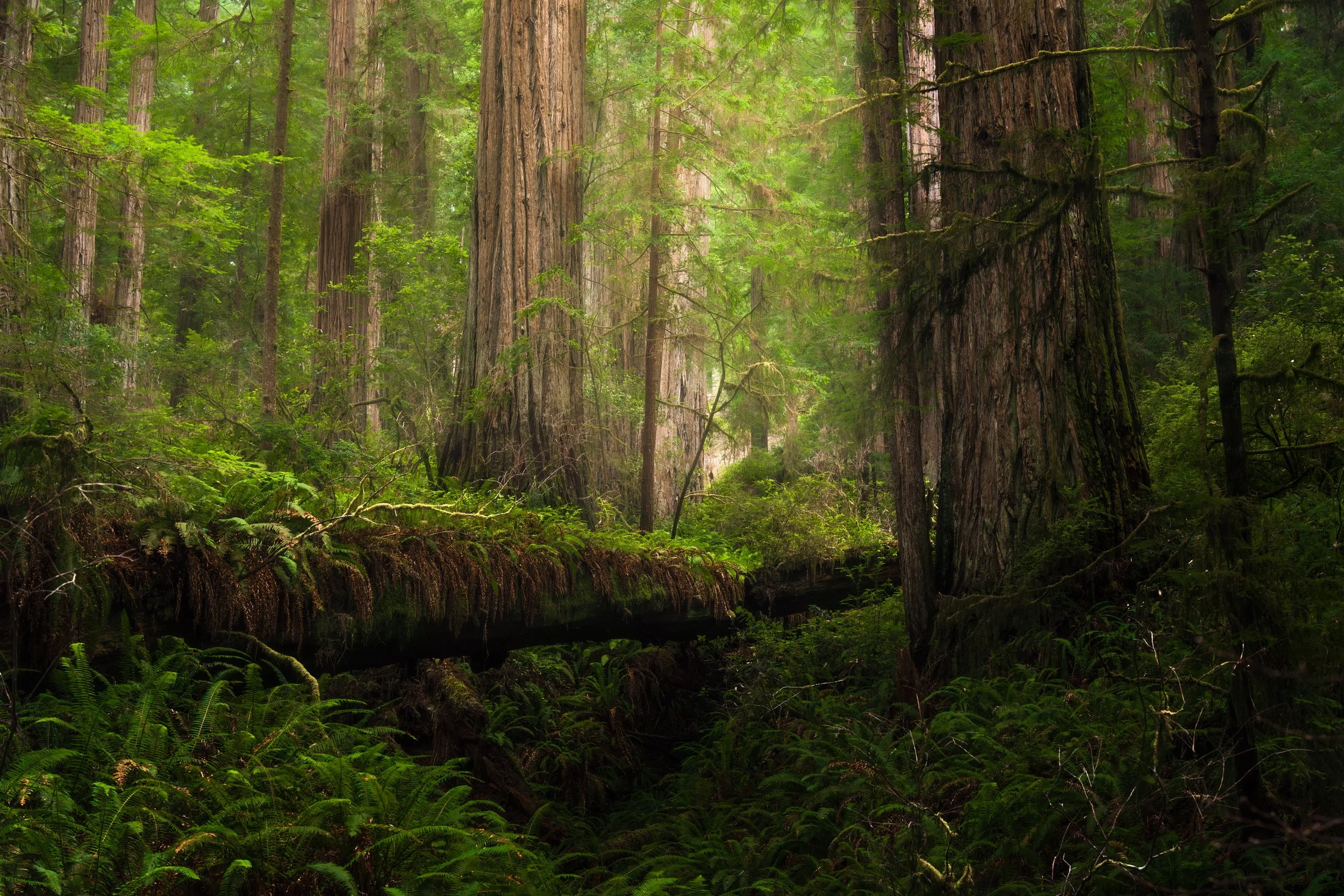
Forest photography has always felt a bit different to me compared to every other subject matter. In the desert, the compositions are vast. Along the coast, the waves demand attention. Storms are chaotic in the best ways.
When it comes to forests, they are much quieter. They reward patience, simplicity, and detail. The challenge isn’t usually finding the right trees, it’s simplifying the chaos enough to tell a story or invite a feeling. Over the years, I’ve learned that strong forest photography often comes down to a handful of small decisions that completely change the final image. From the gear I bring, to the way I approach movement and light, these are the most important tips that have consistently elevated my forest photography.
Gear Up
Before I dive into composition and shooting technique, there are a few pieces of gear that are pretty much a must-have. One of the most important tools in my bag for forest photography is a circular polarizer filter. Forests are naturally very reflective environments. Wet leaves, shiny bark, puddles, streams, and humidity in the air all create glare that can flatten your image and wash out color. The HGX Prime CPL Filter completely changes that. The moment I rotate the filter and watch reflections disappear from leaves and rocks, the scene immediately gains depth and richness. Greens become deeper, textures appear more pronounced, and the overall image feels more natural to the eye sees.
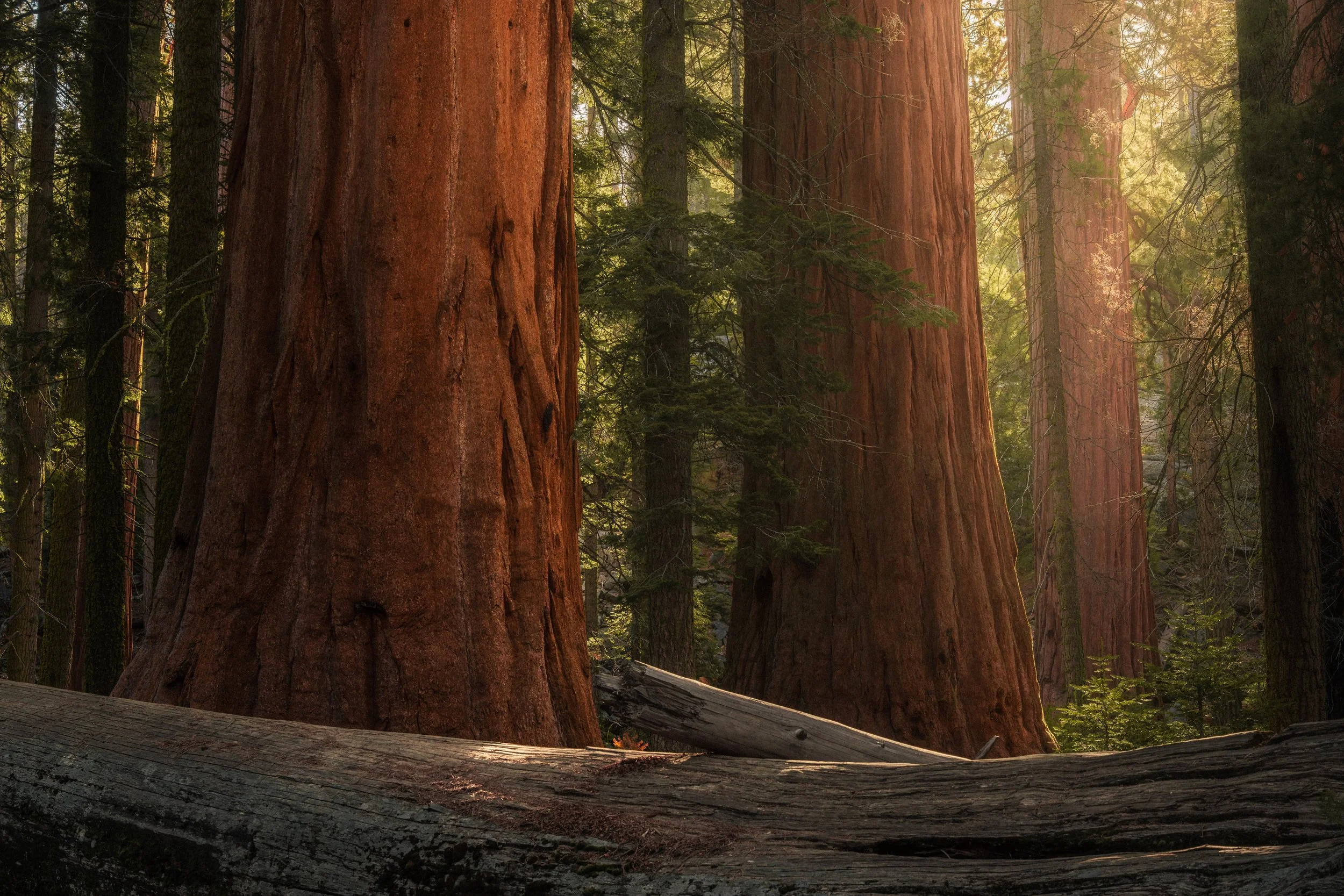
In places like the Pacific Northwest or the Redwoods, I honestly consider a circular polarizer essential. It allows the subtle details in the forest to finally breathe instead of competing with harsh reflections, and the way saturation returns is mind boggling. Beyond photography, I’ve also found it incredibly useful for video work while filming in forests because it helps maintain cleaner highlights and more balanced contrast throughout the frame.
Another thing I’ve learned is that forests reward stability, patience, and intentional shooting. This is where lightweight gear has completely changed my approach. In the past, there were times I simply didn’t bring a tripod deep into a hike because of the size and weight (and sometimes laziness, I’ll admit).
Now, that excuse really doesn’t exist for me anymore with the iota 422 Tripod. The biggest thing I’ve noticed while traveling with it is how natural it feels to carry. When I’m weaving through trails, stepping over roots, or hiking for miles before sunrise, the last thing I want is gear that feels like an anchor on my back. The lightweight carbon fiber build of iota makes bringing stability into the forest effortless, and because of that, I find myself shooting slower and more intentionally again.
A new benefit is being able to carry the iota fully extended while I walk to a new composition. With the form factor and sizing, I can keep my camera secured over my shoulder and walk without feeling weighted down. I’ve said it before and I’ll say it again: the best tripods are the ones you almost forget you are carrying.
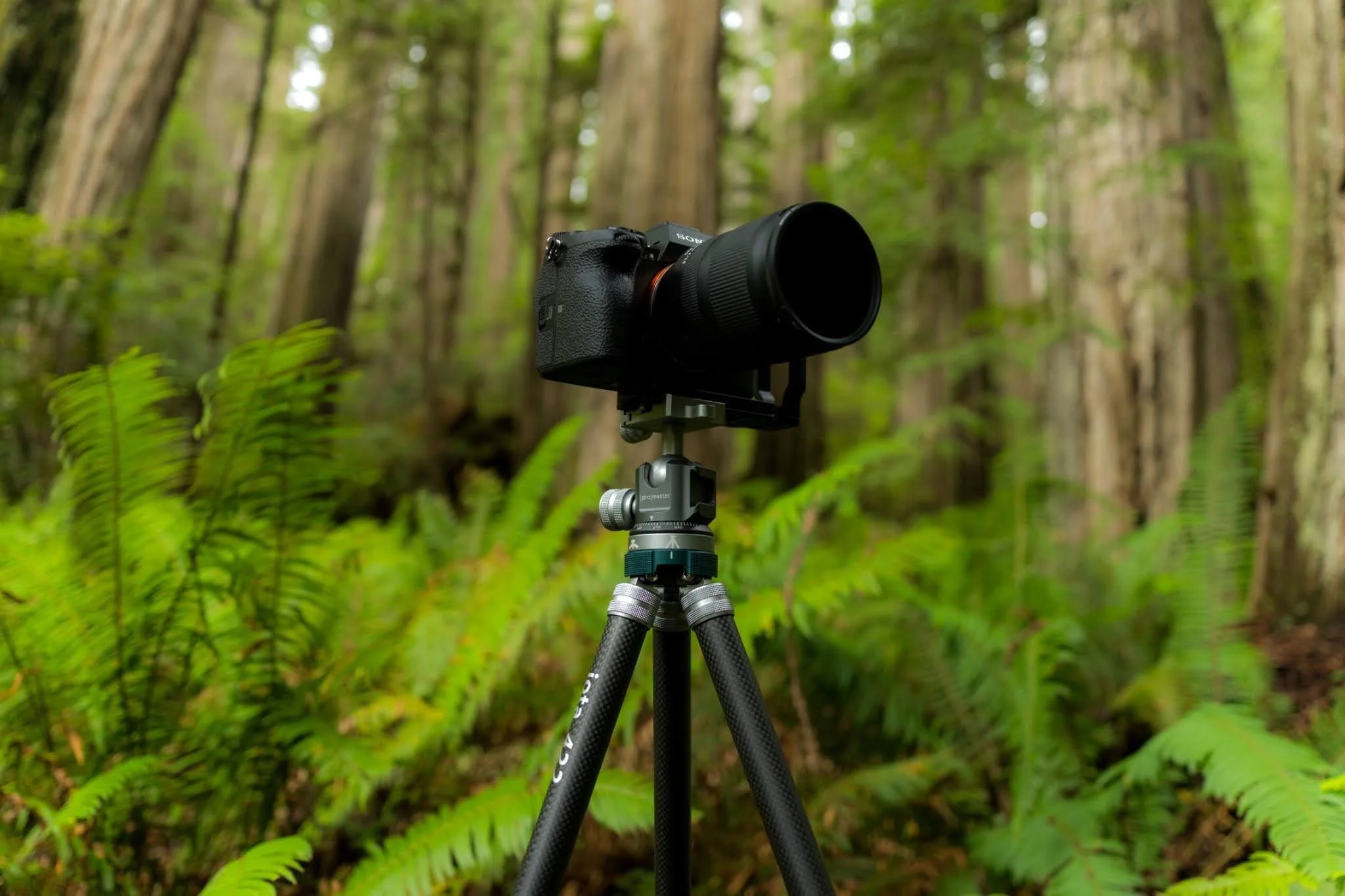
Forest photography thrives on precision. Small shifts in framing can dramatically improve compositions when you’re dealing with layers of trees and overlapping elements. Having a tripod that deploys quickly and stays reliable in wet, uneven terrain has allowed me to focus entirely on the scene in front of me instead of fighting my gear. Iota’s collar has proven to be my new industry standard for composition hunting with how simple it has become to switch from high to low. This has become one of those tools I simply have to have with me now.
If there’s one thing forests constantly test, it’s the ability to keep gear clean. Moisture, fog, rain, dirt, and pollen seem to find their way onto lenses almost immediately. I used to underestimate how much this affected my work until I started noticing soft spots and smeared highlights in my images while editing. Microfiber cloths have become one of the most important cleaning supplies I carry whenever I’m in the woods. Especially during early mornings, when condensation forms on gear within minutes, something as lightweight and affordable as a cloth to carry in my pocket keeps those concerns at bay.
The build quality of HGX Prime filters works beautifully alongside the cloth. No smudges, no streaks, and no remnant debris have ever gotten stuck. I’ve put my filters through some pretty wild conditions over the years, and they still work – and look – brand new. It sounds simple, but maintaining clean glass is one of the easiest ways to improve image quality instantly. There’s nothing worse than hiking miles to a perfect composition, only to realize later that moisture ruined half my shots.
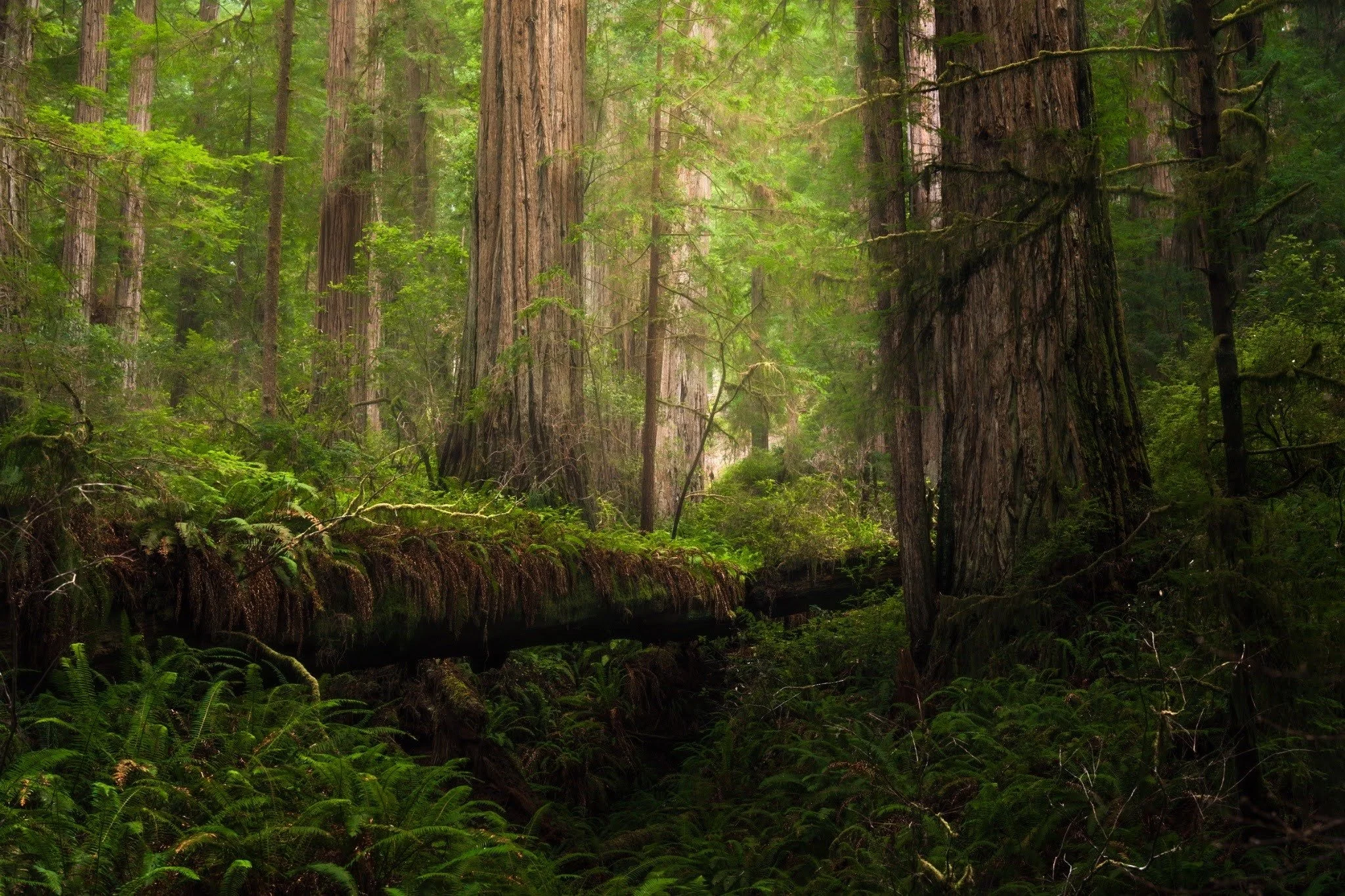
Finally, if you shoot video in forests, the HGX Prime Variable ND filter can completely transform the feel of your footage. Forests naturally create beautiful movement. Leaves shifting in the wind, waterfalls flowing through rocks, fog drifting between trees… these scenes feel cinematic when motion is rendered correctly. Using a VND filter allows me to maintain the proper shutter speed even during bright daylight conditions by keeping my shutter speed where it needs to be. Without one, footage can feel harsh and jittery, especially when sunlight breaks through the canopy overhead.
I’ve found this especially important while filming handheld sequences walking through forests or capturing slow, atmospheric clips during golden hour. The smoother motion immediately creates a more immersive feeling and allows the viewer to feel present within the scene. It’s one of those tools that doesn’t necessarily scream for attention on its own, but the difference it creates in the final result is massive. I’d argue that it’s the most effective tool I’ve added to my filmmaking arsenal in 2026. Check out my reel from the Sequoias to see how it’s kept my shutter speed proper even when I was shooting at f/2.8.
Frame the Shot
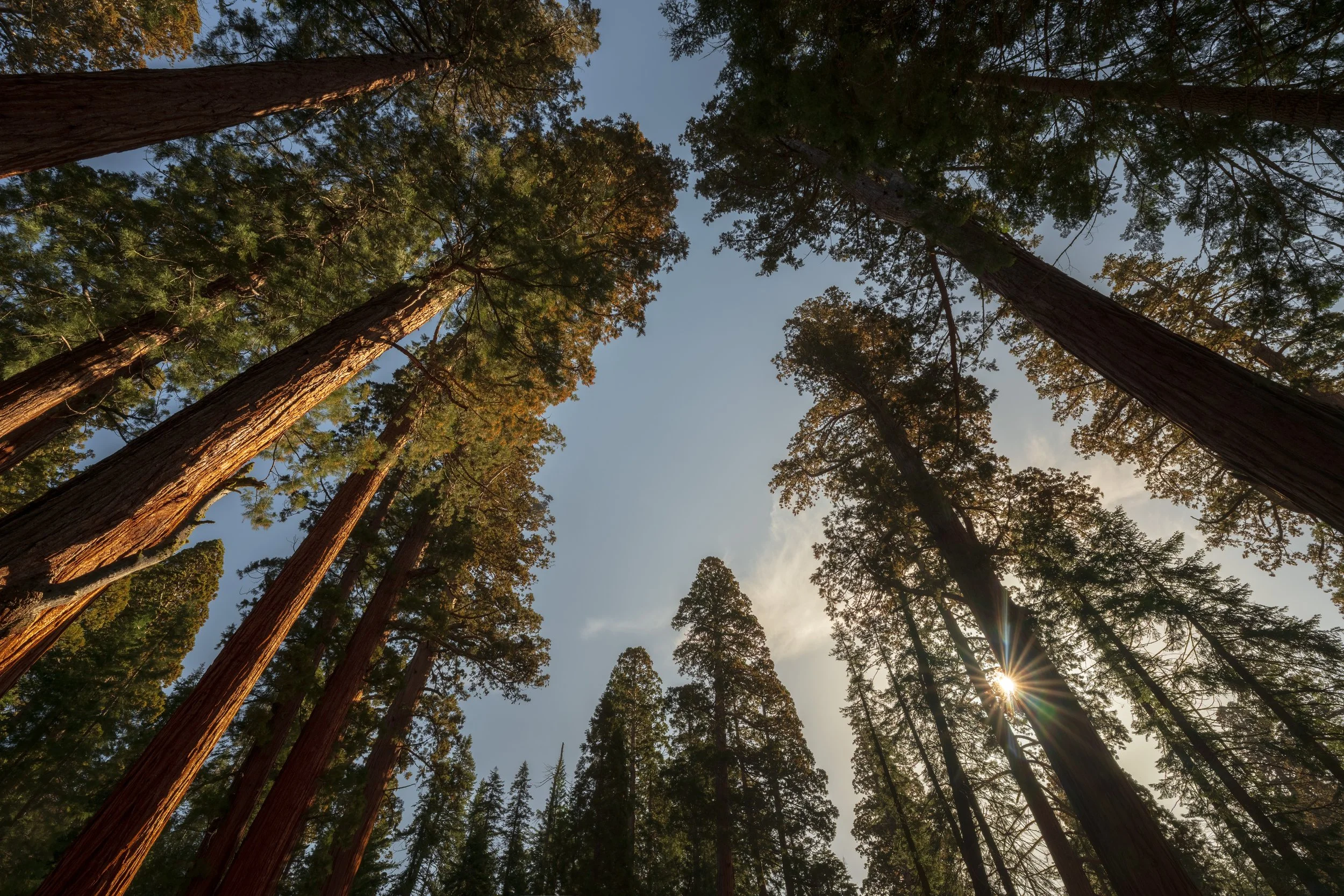
Now I’ve talked gear, but compositionally, how do I find my shots? There are two rules I live by when roaming the trees. Rule one: What my eyes see is not what photographs best. Forests can be overwhelmingly beautiful to explore, from their complex makeup of trees, moss, and small water channels. But what photographs best is not what I see, it’s what I narrow the scene down to. That’s why I have found that a telephoto lens often works best. By extending iota to its maximum height, I have no issue lining up directly with certain trunks, creating vertical lines within my scene. Add in light, and you just might have a new favorite shot.
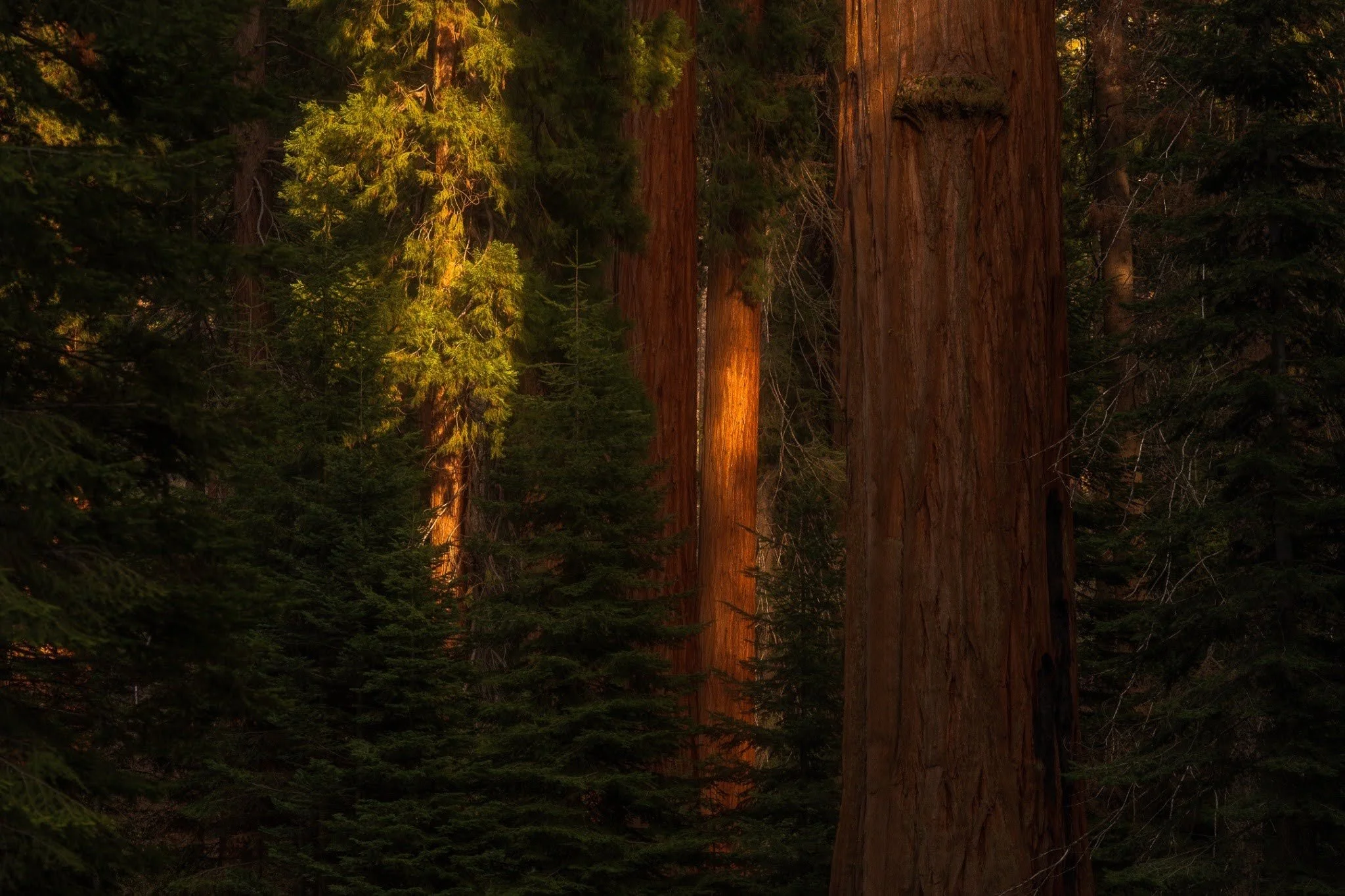
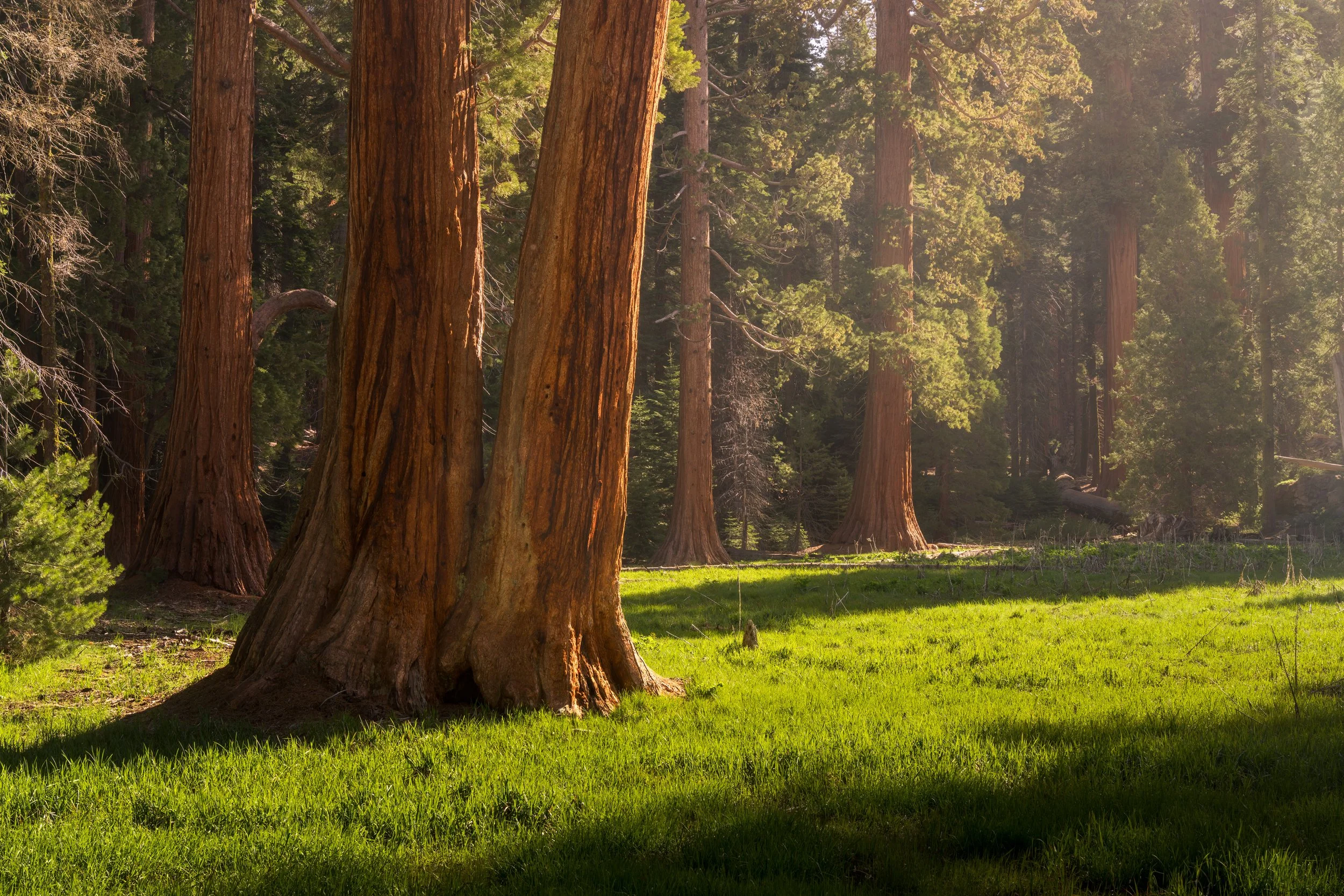
The second rule sounds almost contradictory to some of the most commonly used practices with landscapes: Focus first on what is dark. Now what I mean by this is if you time your visit to the woods right, light will be largely absent. What this allows you to do is prepare for when the light arrives. For my favorite shots in the past, I’ve been fortunate to wait for the light to land in a spot, rather than feeling rushed in the first place while it exists. In scenes like this, it started dark before the sun rose, but as the morning progressed, I was able to time my shot for when I considered the light “just right”. Pair scenes like this with a polarizer, and the vibrance of the grass in the field almost steals the show from the trees.
The more I photograph forests, the more I’ve realized that the best images usually come from slowing down. The gear that helps simplify the complex challenges makes all the difference. Whether it’s using the HGX Prime CPL filter to remove distracting glare, carrying a lightweight tripod like iota deeper into the woods, keeping lenses clean with microfiber cloths, or creating smoother cinematic motion with a variable ND filter, these small tools and decisions add up quickly, and pay off more than you’d think. Next time you’re in the forest searching for your next great scene, start dark, pull back the color, and wait for the light to make your shot what I know it’s capable of becoming.