Making the Most of 12 Hours on the Oregon Coast
The Oregon Coast has a way of slowing you down whether you intend it to or not. It has been nearly five years since the last time I ventured to this area of the country. After spending just 24 hours here again, I left asking myself, “what took me so long to return?” Whether it was the Redwoods, the Natural Bridges, Pistol River Beach, or the Brookings McDonald’s, the 24 hours I spent along the coast is cemented as one of the most accomplished days of shooting I’ve ever had.
The success I experienced during this day, though, was not without assistance of some core tools that made shooting seamless and enjoyable. Products like the Key Grip tripod, HGX Prime CPL filter, and Cityscape backpack, all made the photography aspect of the day…. easy. Here is how each of those products played a role in my day creating content along the Oregon Coast.
Before we find ourselves in front of the ocean, let’s rewind the clocks back to how I got there. I flew from Denver, Colorado to Medford, Oregon before renting a car and making the three hour drive to Brookings, Oregon. Now given the fact that I was only going to be gone for 24 hours, I needed to pack light, but effectively. Thankfully, the Cityscape backpack proved to be the perfect option for a bag that could act as my carry-on, my hiking pack and my camera backpack. Courtesy of the modular interior storage and the side pocket built for a tripod, I managed to bring the following cameras and lenses:
Sony A7RV
Sony A7SIII
Tamron 28-200 f/2.8-5.6
Tamron 17-28 f/2.8
Sony 16mm f/1.8
Even after all of this gear, I still had room to spare for my Key Grip tripod, a beanie, photo gloves, my HGX Prime filter set, a bunch of USB-C batteries, a bag of gummy worms, and most importantly, safekeeping for my wallet, phone, and car keys. (The gummy worms might actually be more important, though). Safe to say, the Cityscape backpack was a proven winner for all travel intensive purposes.
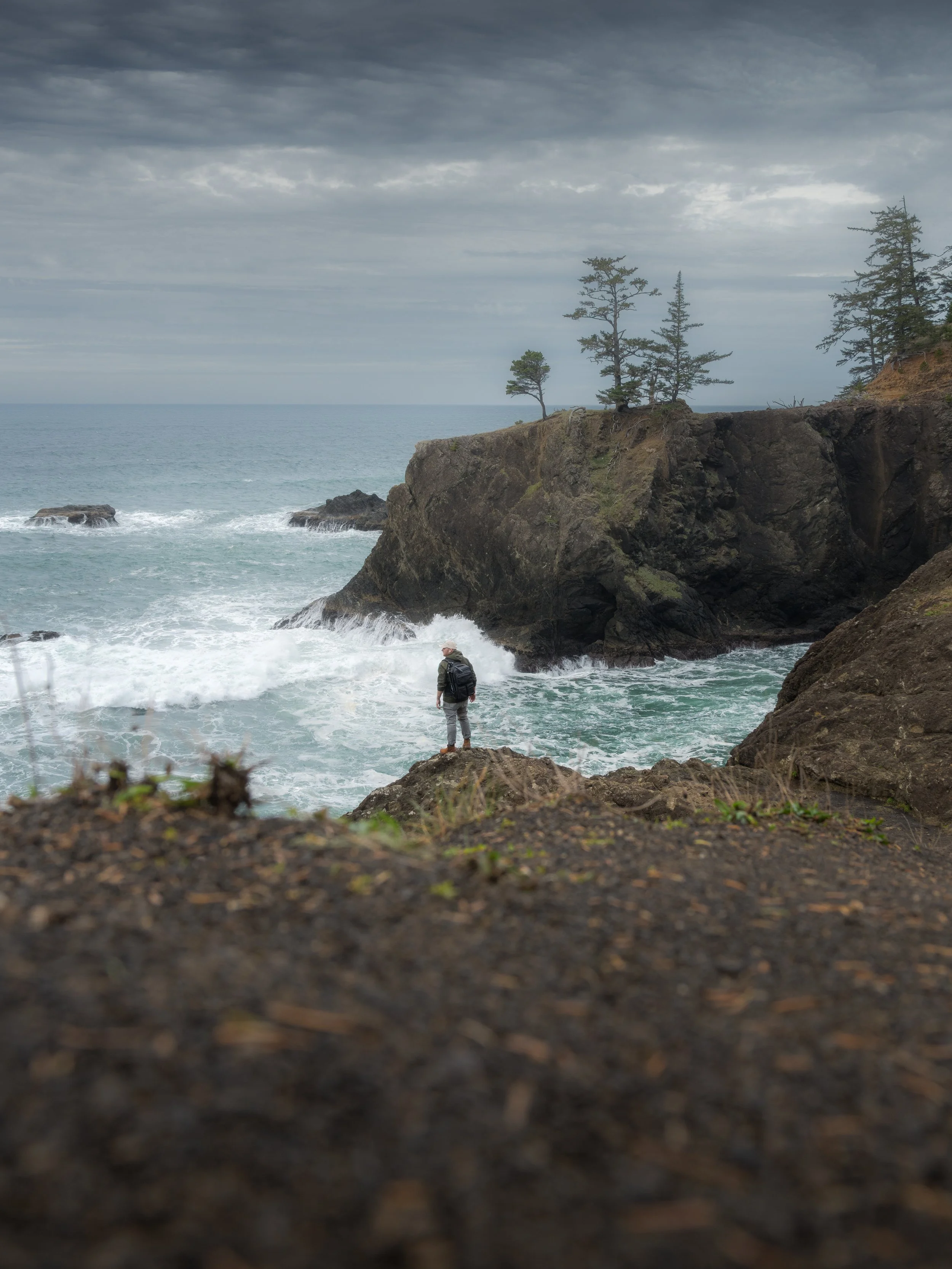
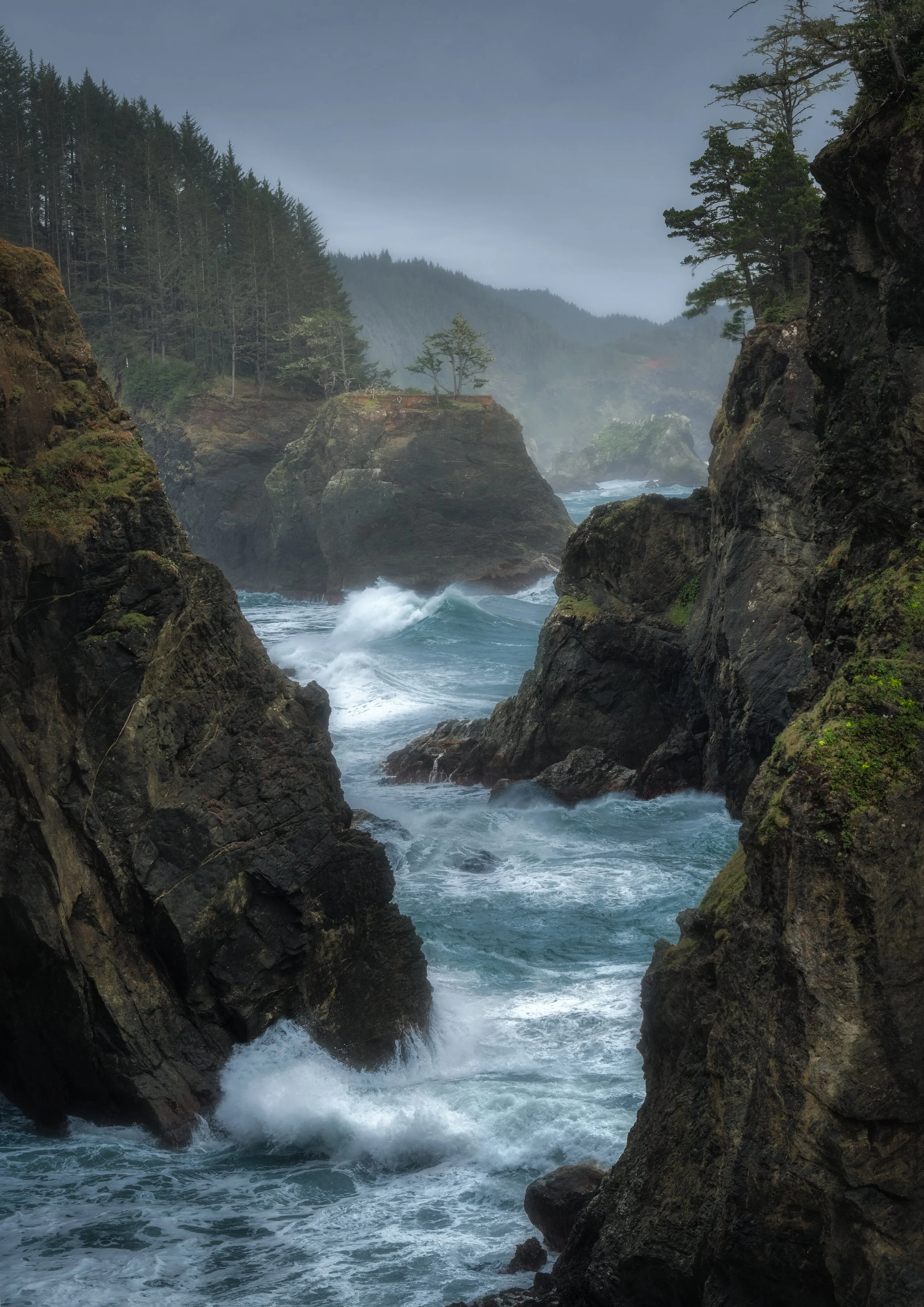
Now let’s fast forward to my time along the coast. After picking and choosing between some different locations, I ultimately decided to hike down the Natural Bridges to get a view along the coast with some crashing winter waves. Coastal environments have a way of exposing the weak points in your setup. The wind rarely stops, the ground is uneven, and the waves themselves send subtle vibrations through the rocks when they strike. When you’re waiting for the precise moment a wave crashes into a formation, the last thing you want to worry about is whether your camera is moving. That’s where the Key Grip tripod stepped in.
Key Grip’s carbon fiber build made it an easy choice for a trip like this. When you’re trying to pack light for flights and quick hikes, every ounce matters. Carbon fiber offers that sweet spot of strength without unnecessary weight, which meant I could bring a full-size, sturdy tripod without feeling like I was hauling around a piece of construction equipment all day. Sliding it out of the side pocket of my Cityscape backpack and setting it up on the rocks took only a few seconds, and I never lacked confidence that once set up, I could withstand the elements. This is partly due to the carbon fiber build.
Key Grip absorbed the subtle vibrations from the impact of wind and waves far better than aluminum tripods I’ve used in the past. That stability allowed me to slow down and wait for the right wave instead of rushing to grab frames between movements, which admittedly took some time. When you’re photographing waves colliding with rock formations, timing is everything. Some waves collapse softly. Others briefly crest. Regardless, being able to trust that the camera would remain perfectly still no matter the wave, meant I could focus entirely on reading the rhythm of the ocean.
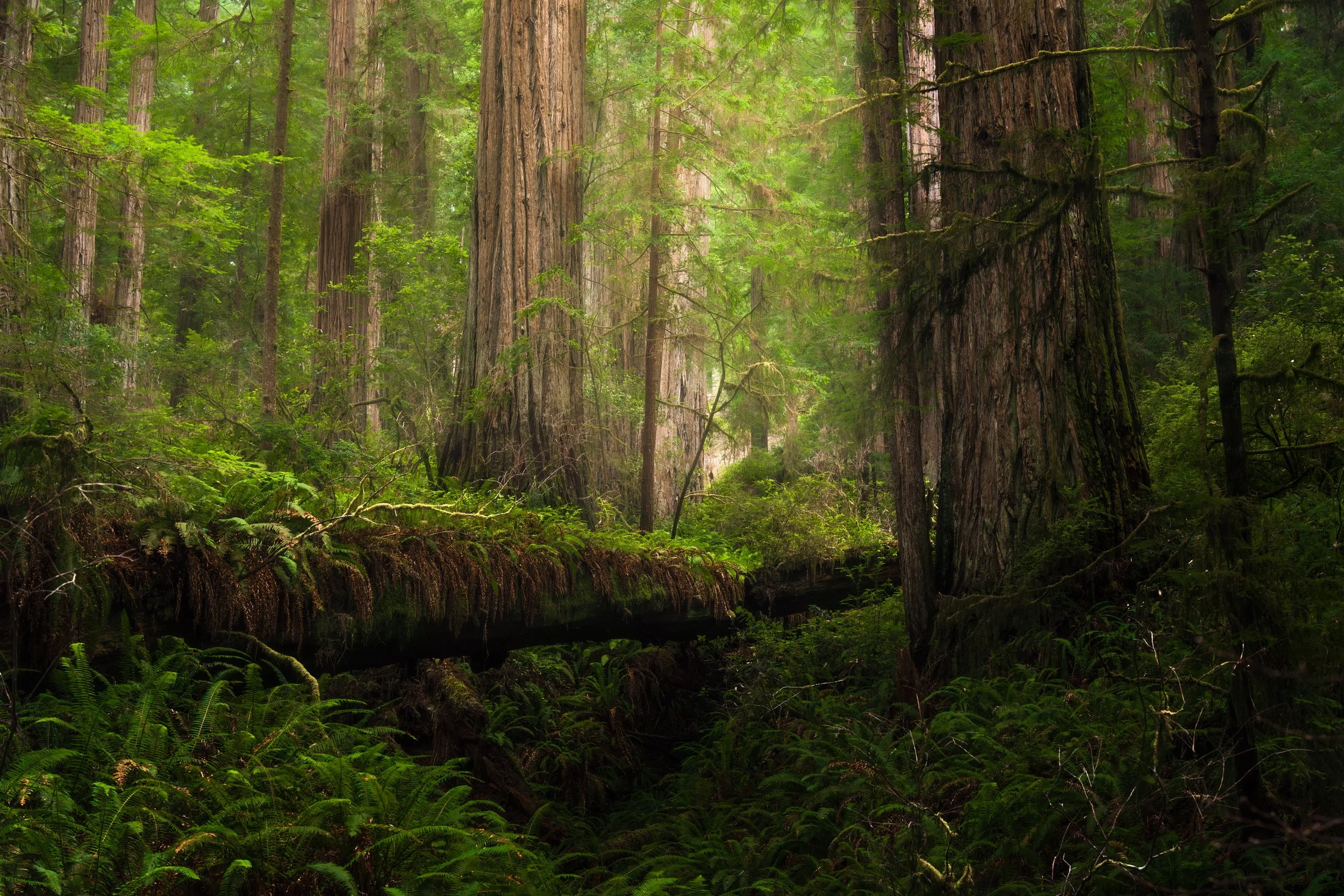
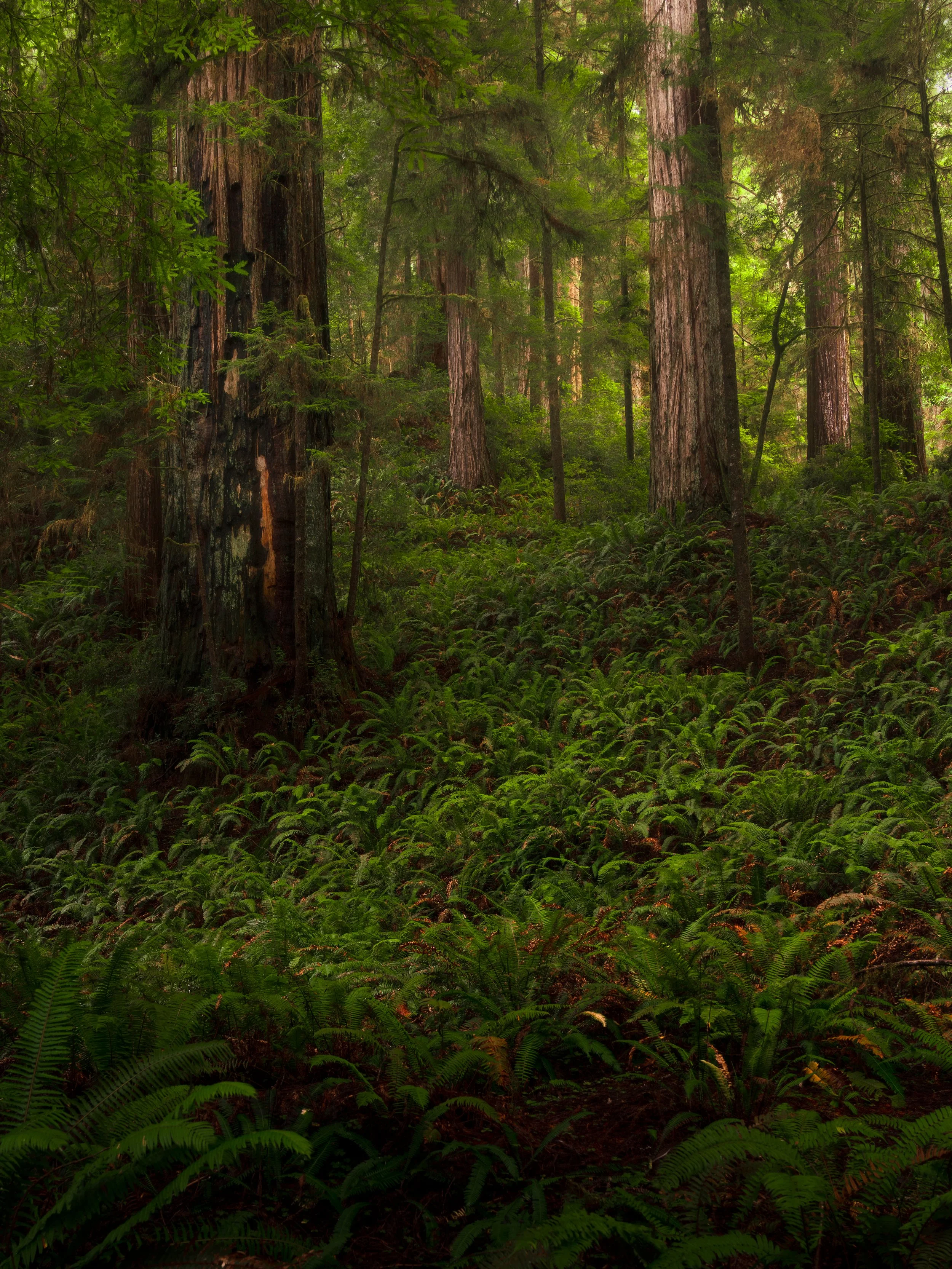
After spending some time along the coast with the waves, I decided to head inland and explore the Redwoods. What I knew would make the Redwoods tricky, though, was the spotty light. From experience, there can be good spotty light and bad spotty light. When it’s good, it’s localized, soft, and easy to isolate. When it’s bad, though, it’s chaotic, unwanted, and almost more repetitive than we’d want. With the way sunlight was finding pockets in the clouds, it became obvious that the spotty light I’d be dealing with would be bad. Thankfully, though, my HGX Prime CPL filter eliminated all concerns of challenging lighting.
By rotating my circular polarizer, I was able to cut through much of that spotty light and bring the scene back under control. The difference was immediate. The greens of the moss and foliage became richer, the bark regained its texture, and the forest floor separated more naturally from the surrounding shadows. Rather than chaotic highlights scattered throughout the frame, my image felt balanced and intentional.
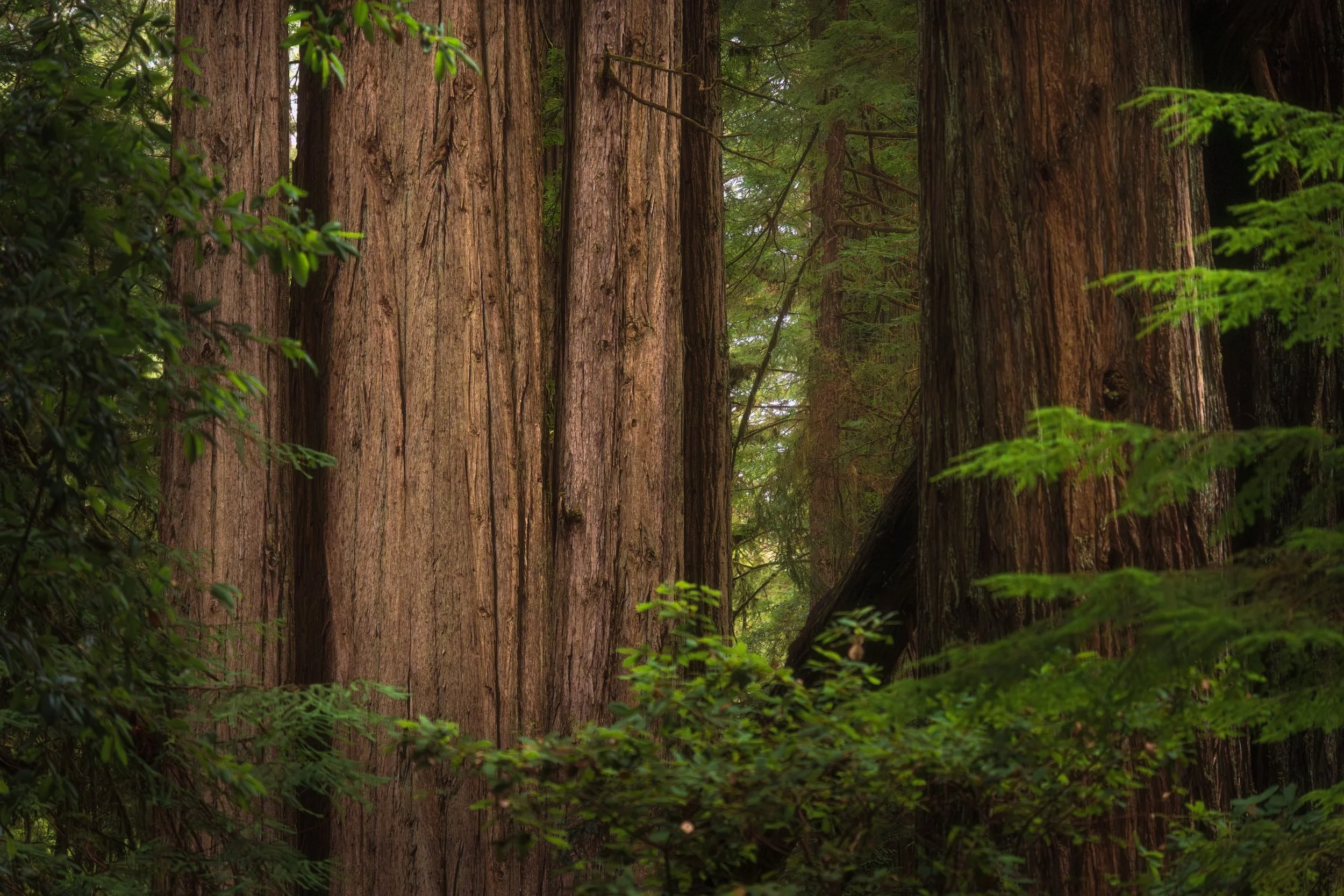
Another benefit of the CPL filter in a forest environment is how it deepened color without making the scene feel unnatural. The Redwoods have a very distinct palette to capture, with deep reddish-brown bark, vibrant green moss, and dark evergreen needles all layered together. Without a polarizer, those colors would’ve appeared muted and almost dull. The HGX Prime CPL filter helped restore the richness that was already there, and I ended the day with some of my favorite forest images I’ve ever taken.
As the day started to wind down and the light faded along the coast, I found myself reflecting on just how much ground I had covered in such a short window of time. In the span of 24 hours I had gone from coastal cliffs and crashing waves to quiet Redwoods and winding forest roads, all with a kit that never once slowed me down. When you’re working with limited time in a place that offers so much to explore, having gear that simply works the way it should makes all the difference.
The Cityscape backpack kept everything organized and travel-ready from the airport to trailhead. The Key Grip tripod provided the stability I needed when the waves were crashing and the wind was pushing across the rocks. The HGX Prime CPL filter turned what could have been frustrating lighting conditions in the Redwoods, into something manageable and creative. Each piece of gear played its role quietly in the background, allowing me to stay focused on the environment in front of me instead of the equipment in my hands.
The best gear is the gear you forget about. It’s the gear that becomes an extension of you, and becomes so engrained in the shooting process that it no longer feels standalone. For a 24-hour sprint along the Oregon Coast, these tools did exactly that, and they played a big part in making this one of the most memorable shooting days I’ve had in years.

Charlie Kruschek
Landscape photography is Charlie's true passion, chasing everything from storms to sunrises. Standing humbled before nature's raw power and in awe of the world's subtleties, Charlie's goal is to preserve heart-skipping moments of natural light, focusing on an emphasis of time. Charlie attempts to share his imagery as a method of inspiring others to appreciate life's beauty through a different optic and the fragility of each second.