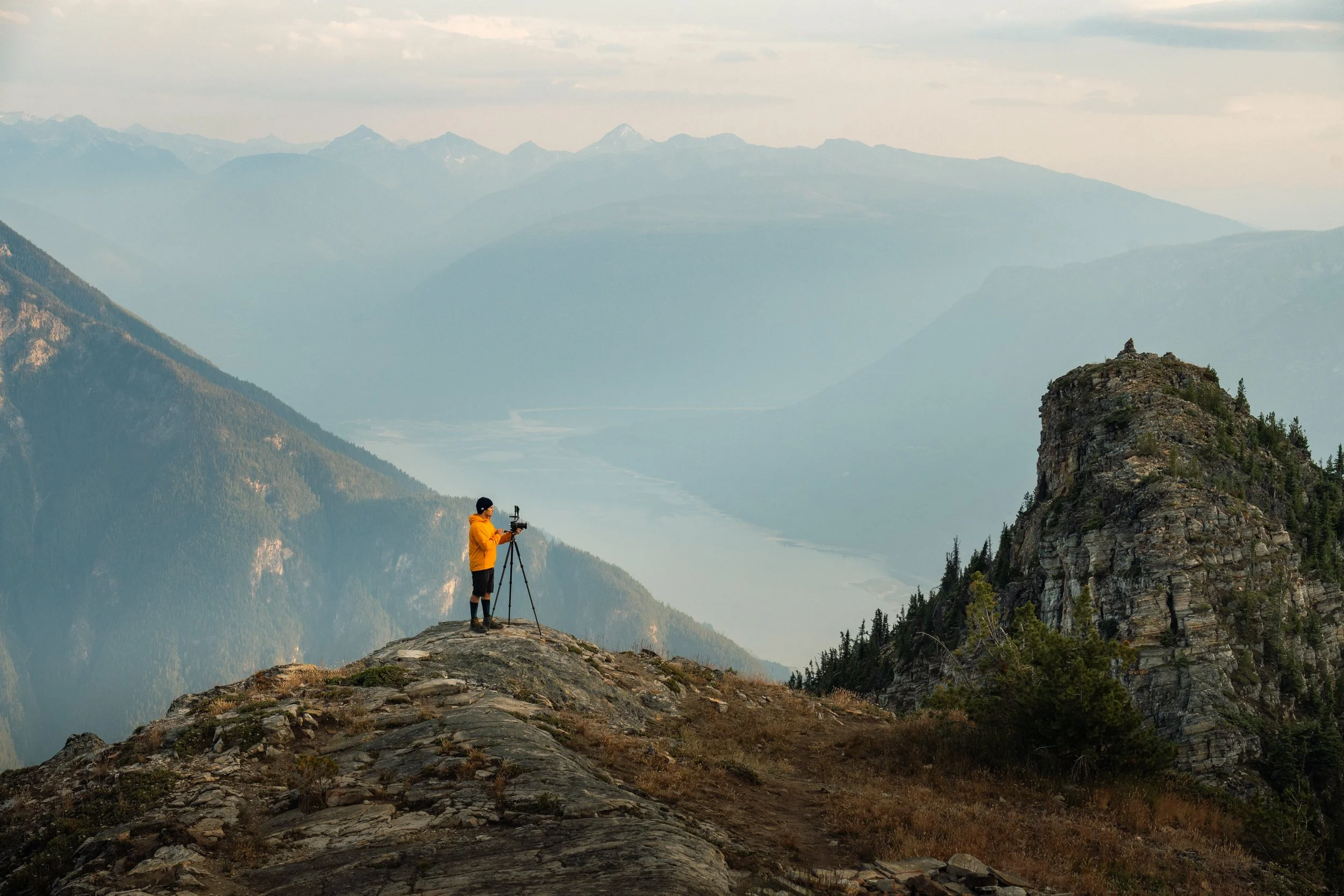
Which Tripod Is Right for You?
Not every photographer needs the same tripod. Beyond considering the camera and lens (and its weight), it’s important to keep in mind the type of photography you’re creating when choosing a tripod.
Maybe you travel light and want something that fits in your bag without thinking twice. Maybe you’re heading out before sunrise to shoot landscapes and need something that stays steady when the wind picks up. Or maybe your tripod is part of your daily workflow and needs to feel like an extension of your creative process.
This guide will help you find the ProMaster tripod that fits the way you actually work.
The Everyday Explorer
If your camera comes with you on trips, weekends out, and family gatherings, your tripod needs to be light and easy to carry. The best tripod for you is the one that makes it into your bag in the first place.
You’re probably shooting travel scenes, group photos, low-light city shots, or quick video clips. You want stability without adding weight or complexity.
iota 422 Ultralightweight Tripod
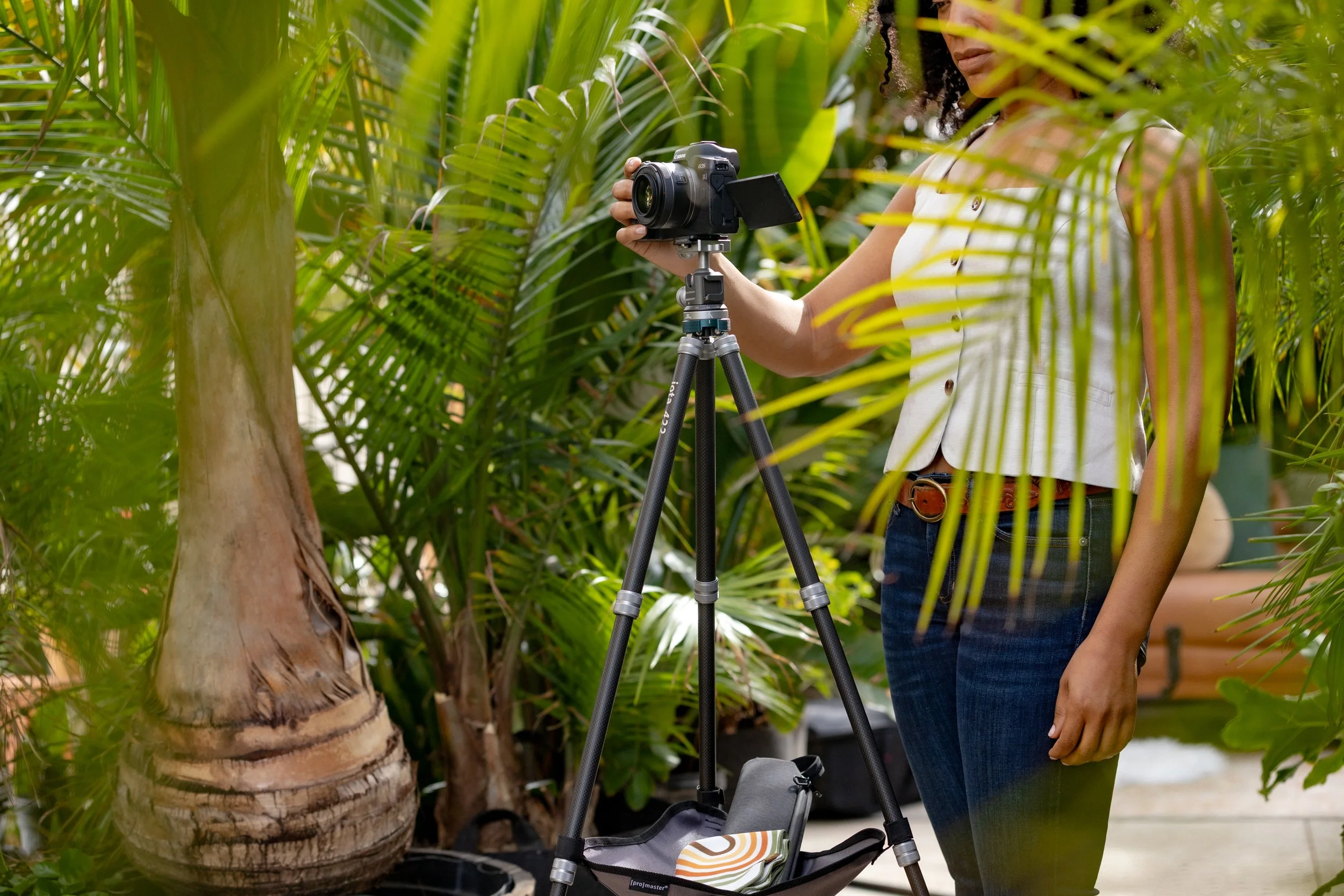
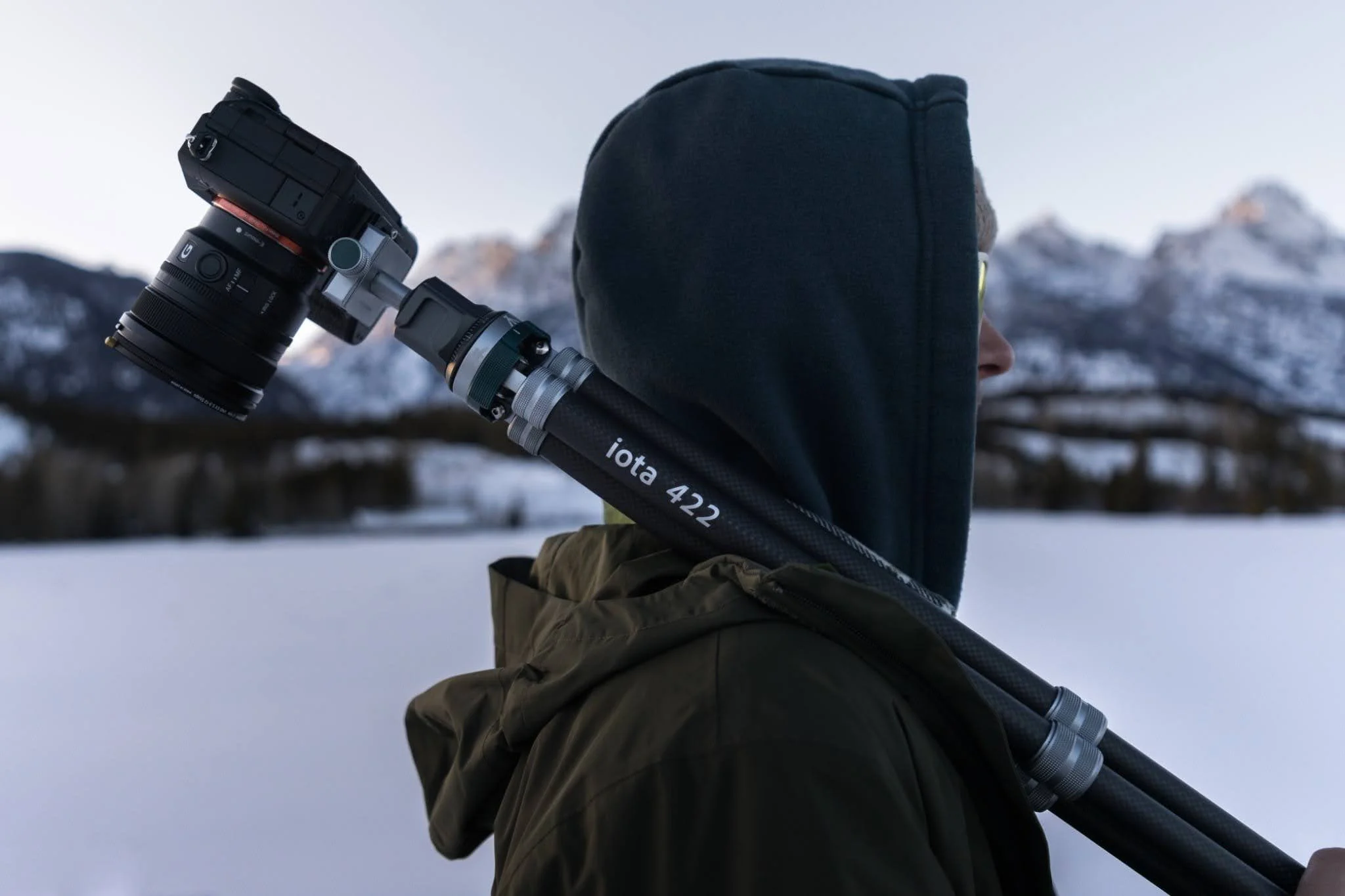
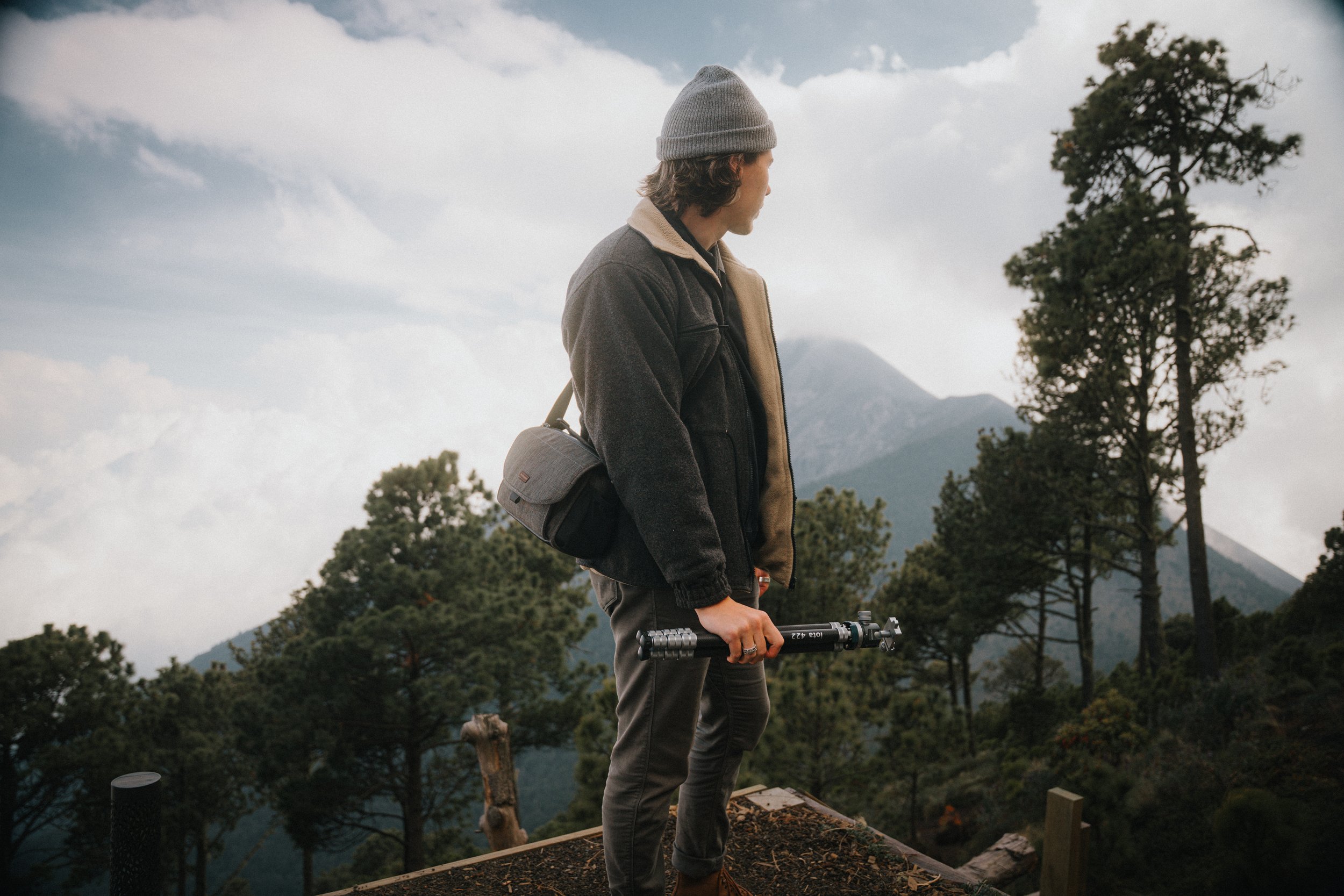
Start with the iota 422, a full-size tripod that easily breaks down into a compact carry. The carbon fiber construction keeps it under two pounds, and a single twist of the collar takes you from full height to ground level in seconds, plus the single-knob ball head makes setup fast when the moment appears. With a max height of 48”, you can still get that full tripod experience with the iota 422, and it folds down to just 18.6”. The included stone bag gives you the option to add more stability out in the field.
iota 219 Ultralightweight Tripod
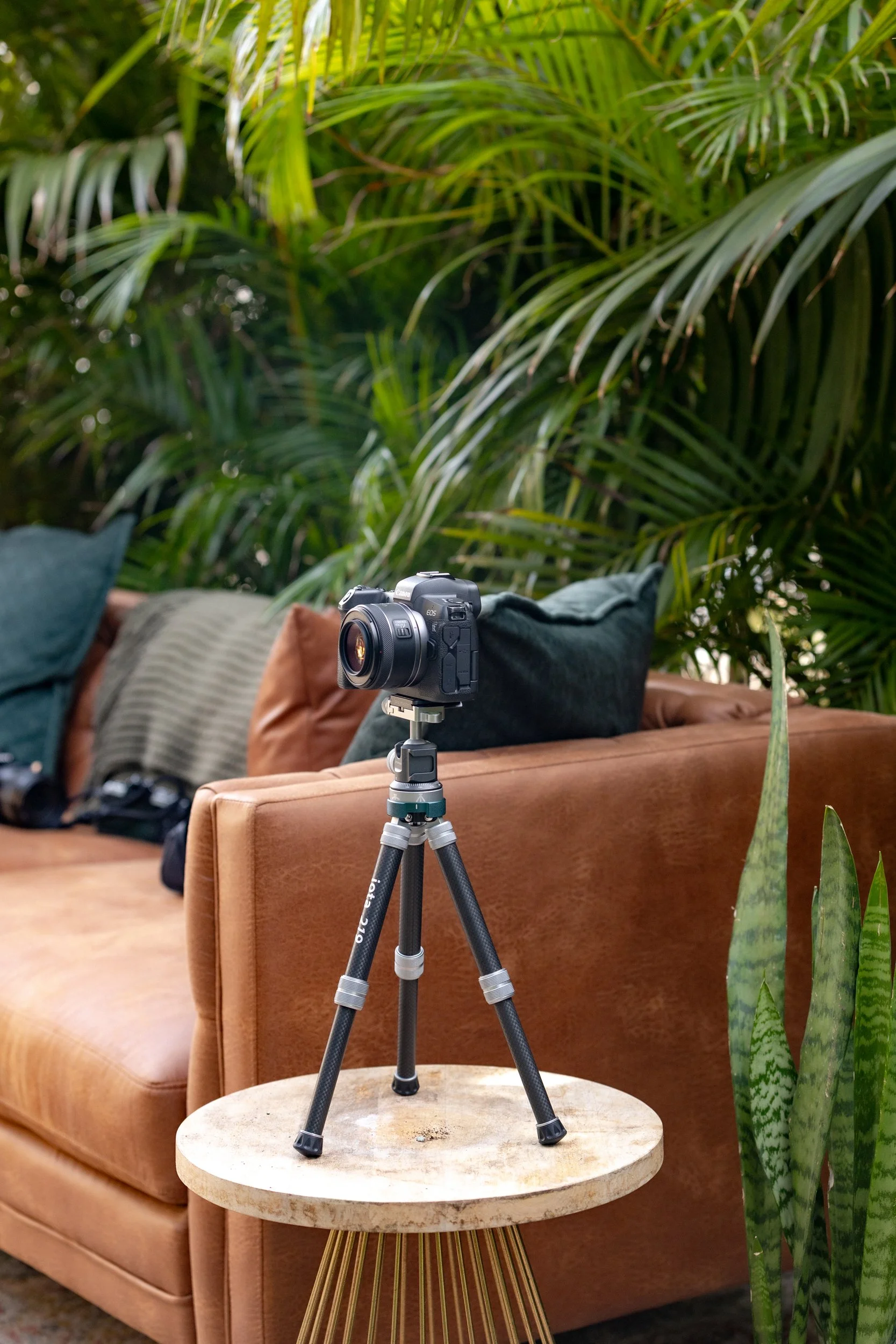
The iota 219 is an even more compact, tabletop version of the iota 422. Also constructed from carbon fiber, the iota 219 weighs less than 1 pound and folds down to under 11 inches. You can easily keep it in your camera bag at all times. The tabletop design works especially well for when you need to take a closeup, like macro photography or food photography, or when you are looking for a convenient tripod for content creation and streaming.
The Weekend Enthusiast
Once photography becomes an event you plan around, instead of something you happen to bring along, stability starts to matter more.
You’re heading out to shoot landscapes. You’re experimenting with long exposures. You’re working closer to the ground for macro. You’re starting to notice when a tripod flexes or shifts.
This is where changing up your support system makes a noticeable difference in your results.
Scout Series
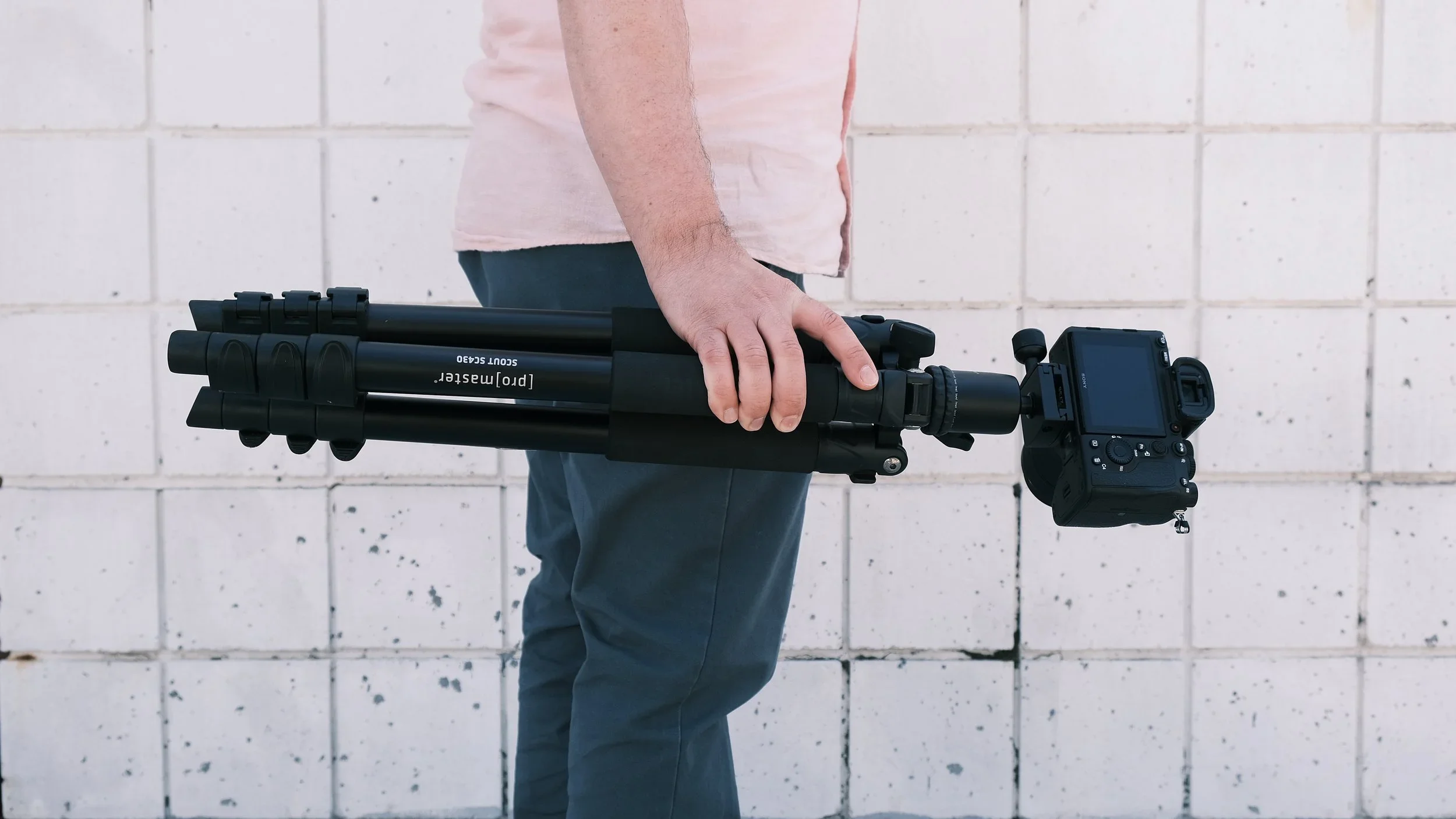
The Scout Series is a dependable and affordable option if you still want something lightweight, but need more height and stability than the iota travel tripods. The four-section legs on the Scout can be independently adjusted, and the center column includes a retractable weight hook, so you can add stability in windy conditions. Scout is a comfortable middle ground as your shooting becomes more intentional.
Epoch Tripod Kit
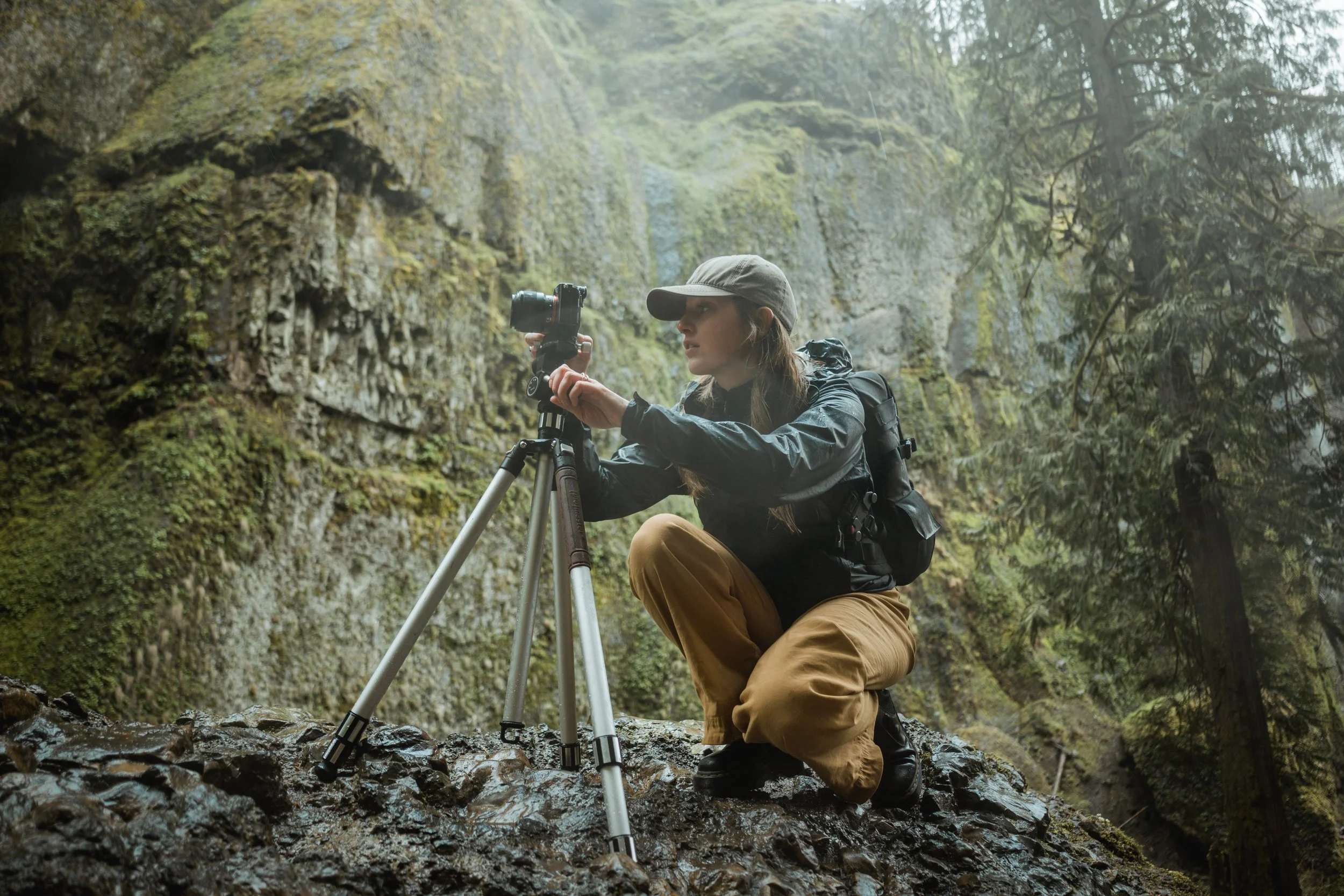
The Epoch Series is a strong step forward when you want more control over composition, in a stylish package. The 3-section leg design in high-strength aluminum improves rigidity compared to compact travel tripods, an important feature for dialing in long exposures. The 4-way head lets you make precise adjustments on each axis. That extra control matters when you’re aligning horizons or working on macro compositions.
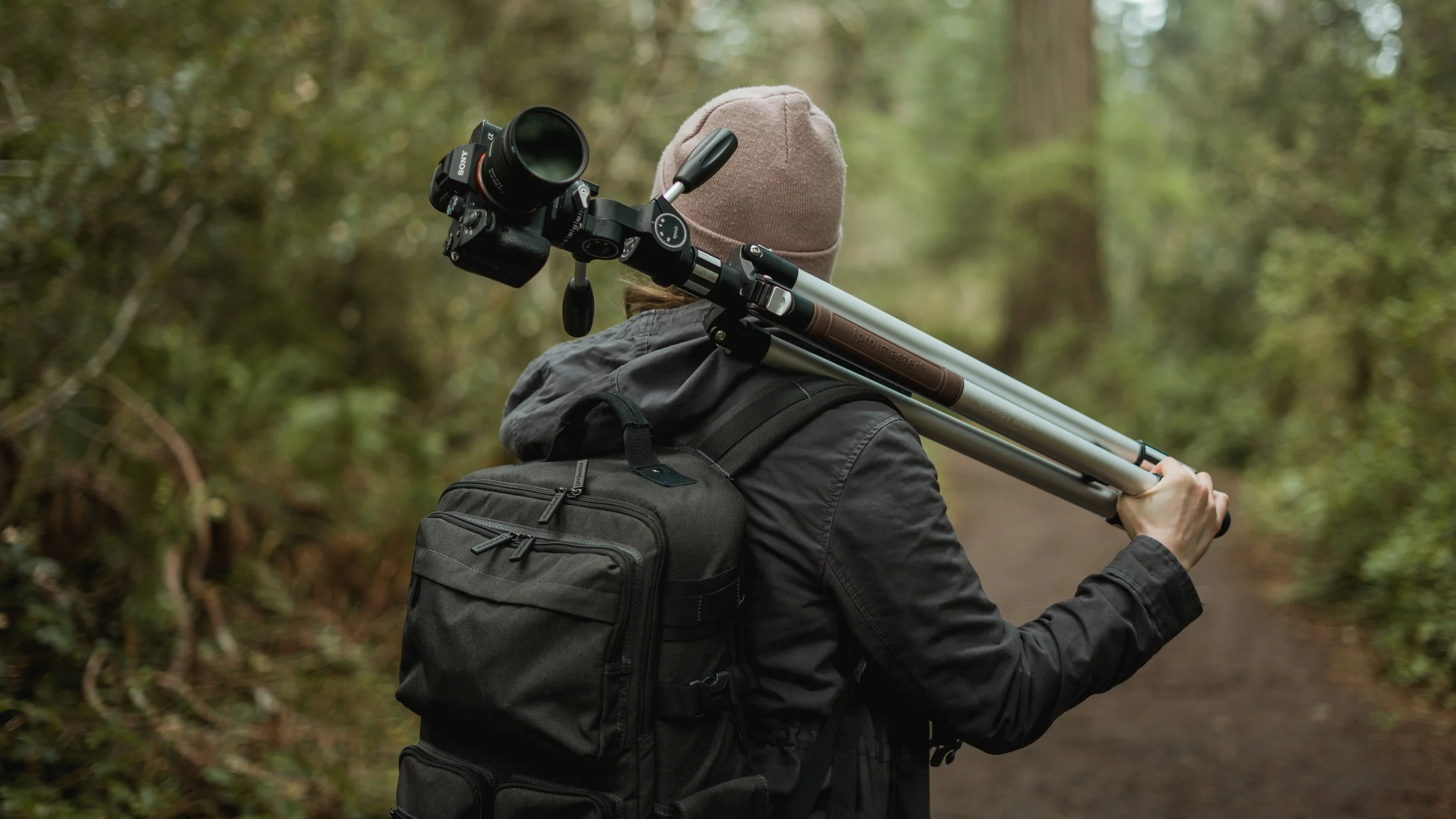
The Adventure and Wildlife Shooter
If you shoot outdoors regularly, your tripod must keep up with the environment you work in.
You’re hiking with your gear. You’re setting up on uneven ground. You’re working with longer lenses. Sometimes you need stability. Sometimes you need speed. Often, you need both.
Your support system needs to move when you move and stay steady when it counts.
Chronicle Series
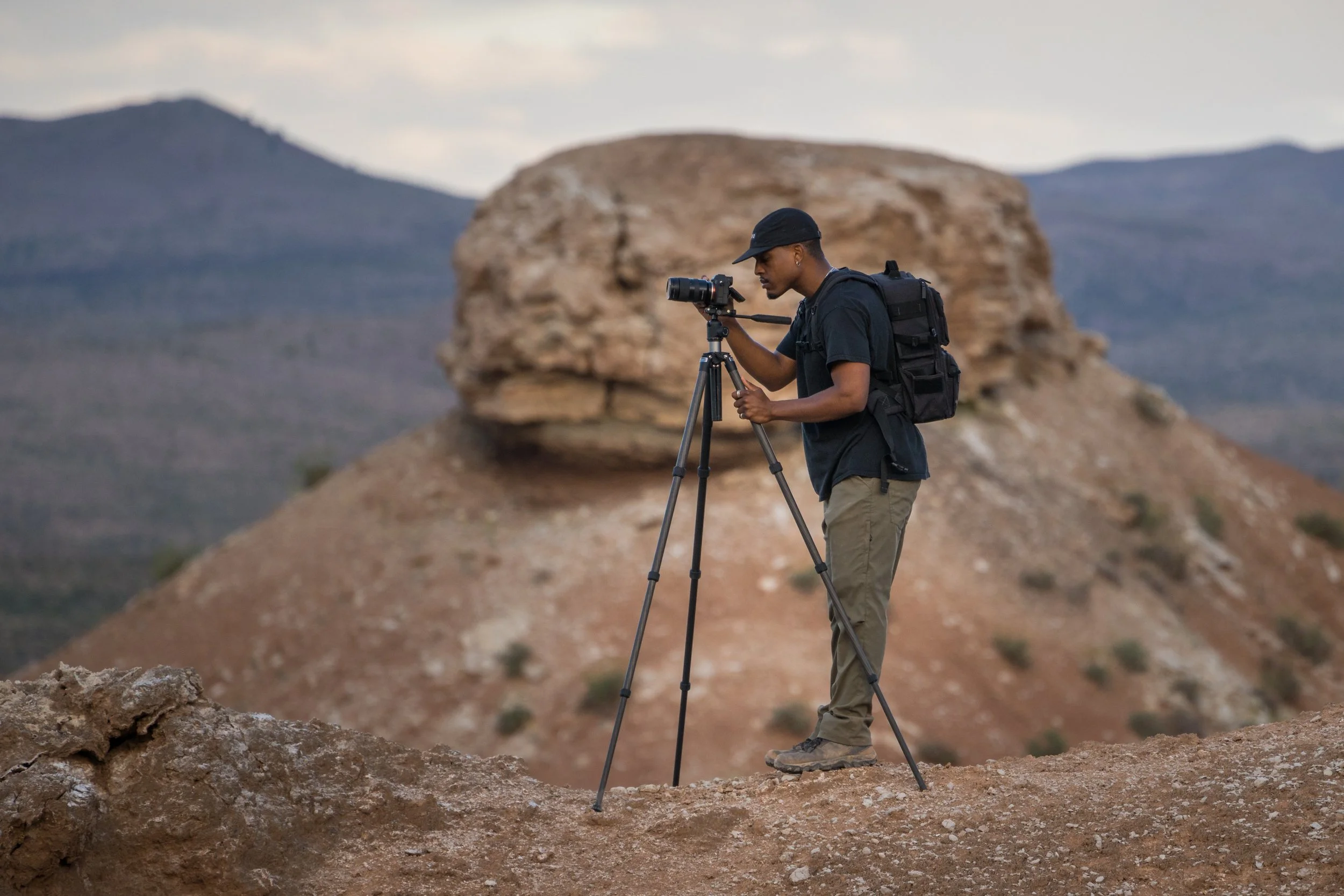
Chronicle tripods are designed for photographers who adapt on the fly and need their gear to keep up. They provide the stability you need for landscape and wildlife work while staying manageable enough to carry into remote locations.[KG4] The Chronicle converts from a full-size tripod to a handheld stabilizer, tabletop tripod, and monopod without any additional accessories or tools. It collapses to under 23 inches, supports up to 22 lbs, and is rated to -4 °F.
XC-M Series
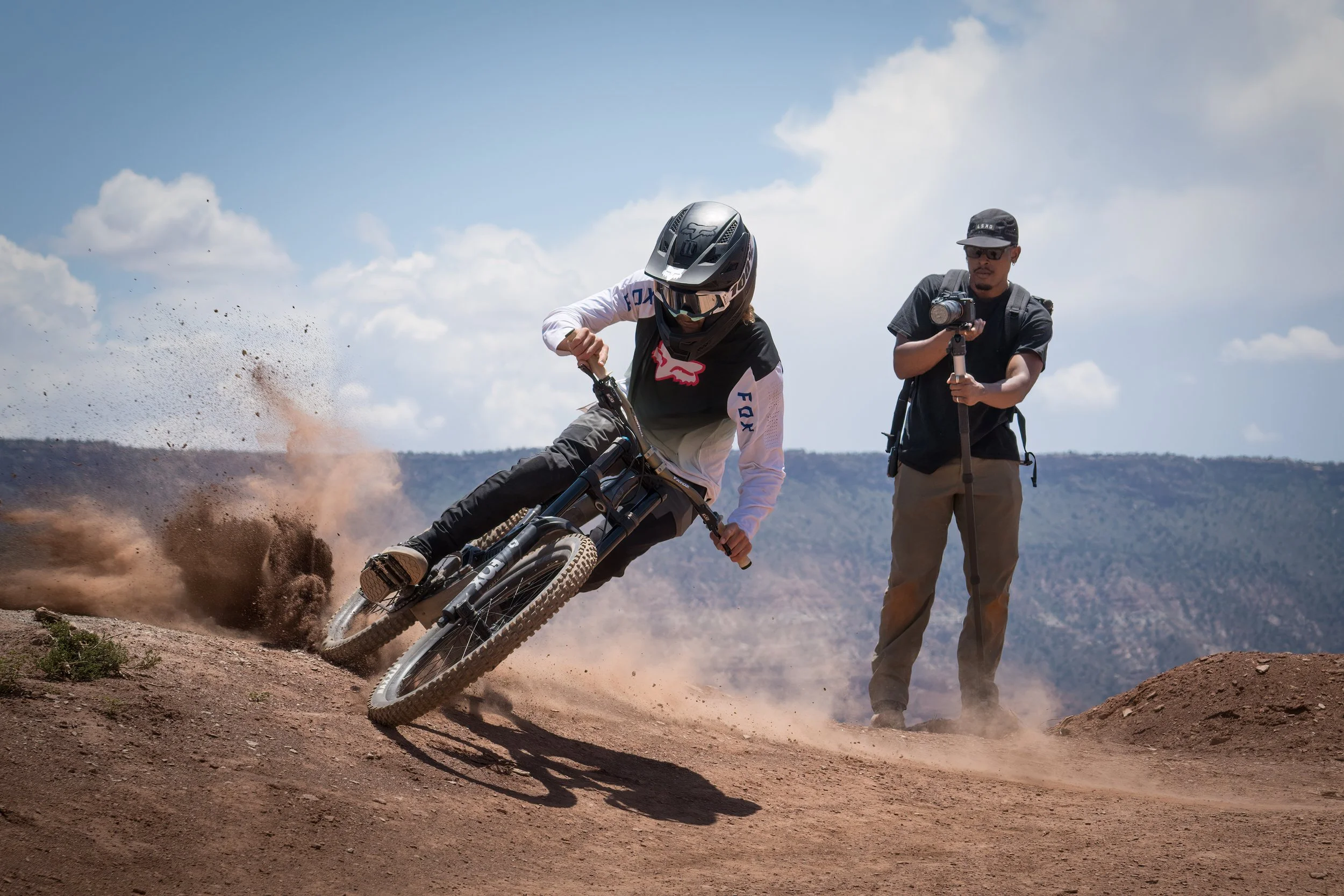
XC-M stands for eXtreme Compact Modular. XC-M Tripods can morph into what you need on your next adventure. Any of the legs can be removed and converted to a monopod, the feet can be swapped out for an All-Terrain Set to dig into the ground, and you can purchase accessories like a Ground Level Adapter or Column Tilt Adapter to reshape it for whatever your terrain demands. The XC-M 525K tripod folds to just over 15 inches but extends to nearly 6 feet.

The Studio and Working Professional
If your tripod is part of your daily setup, reliability may matter more than portability. If you’re a professional working in crowds or social events, you need a tripod that can keep up with you.
You might be supporting heavier cameras. You might be supporting heavier cameras or rigs. You might be shooting portraits, products, or video interviews. You might be on the move, changing locations to keep up with your subjects. Whatever the assignment looks like, your support system needs to stay consistent from setup to setup.
Specialist Series
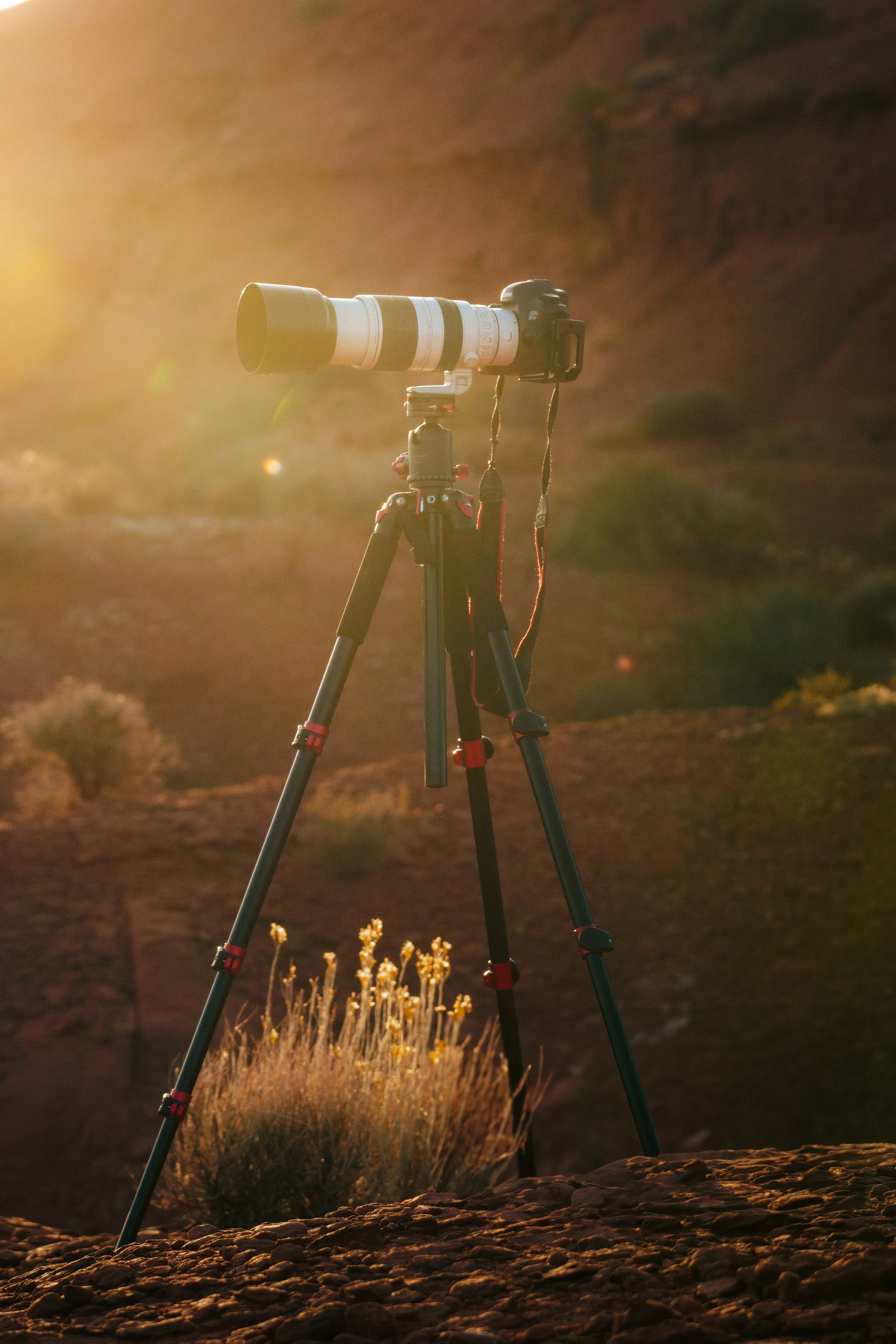
The Specialist Series of tripods represents the most robust and durable support options in the ProMaster lineup. These tripods are designed for photographers who expect repeatable stability across demanding shoots. The Specialist Series SP528K has a load capacity of over 24 lbs, but weighs under 6 lbs and folds down to a compact 23 3/4”. A Memory Lock dial allows you to set the amount of ball head tension to best suit your preferences and the weight of your rig.
Key Grip Series
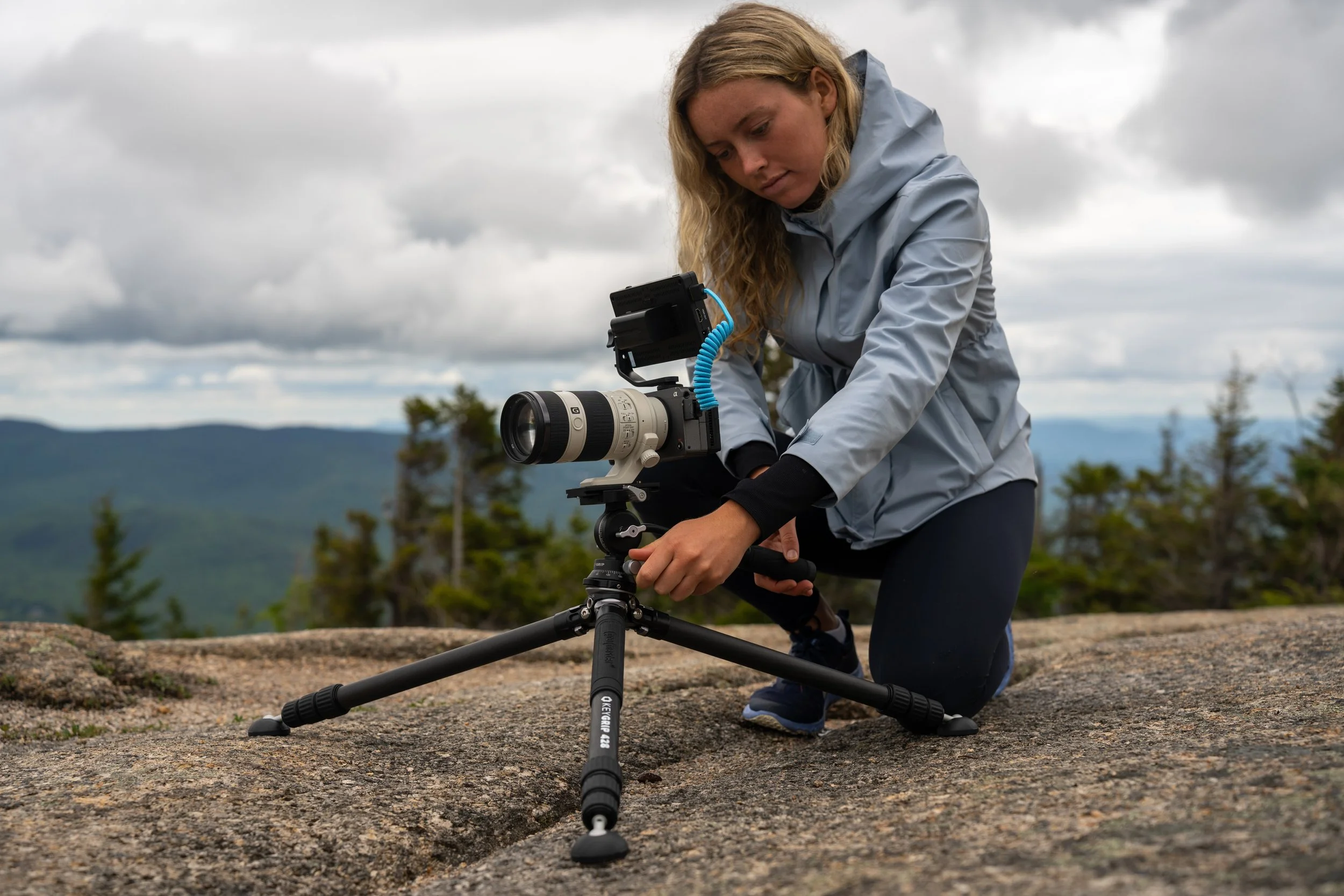
For event photographers and hybrid shooters working in tighter spaces and focused more on video content, the Key Grip Series offers a more mobile option. The 2-way head provides separate pan and tilt controls, and a 55mm leveling base built into the legs provides 15 degrees of adjustment. There’s even a set of hex keys stored away in the handle, so your tools are close at hand for when your tripod needs any adjustments. This video tripod kit has a compact footprint that makes it easy to move through ceremonies, receptions, and live environments, and is available in both aluminum and carbon fiber.
Aluminum vs. Carbon Fiber
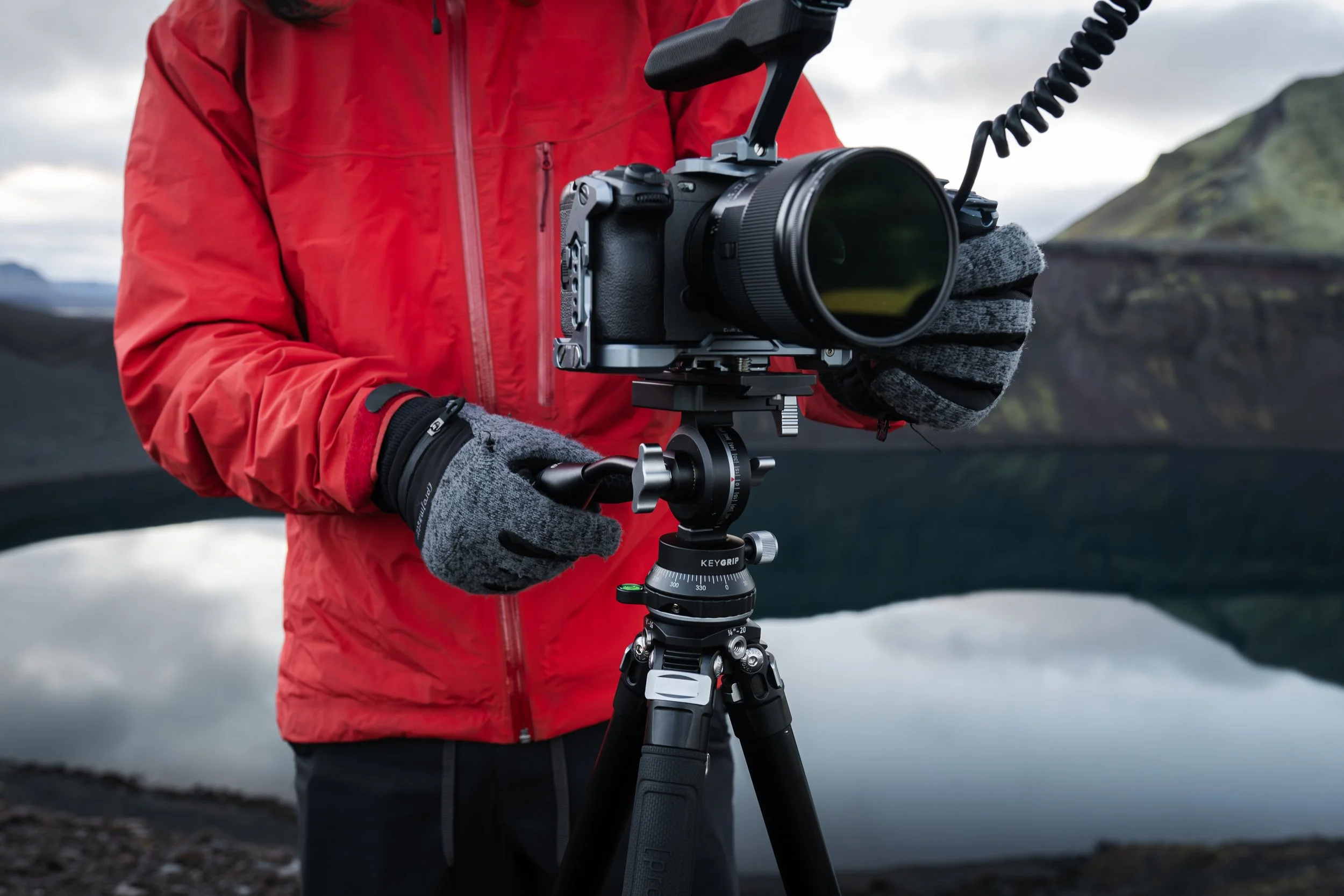
One of the biggest decisions when choosing a tripod is whether aluminum or carbon fiber makes more sense for the way you shoot. Both are strong and reliable. The difference comes down to where you work and how often you carry your tripod.
Choose aluminum if you:
Mostly shoot close to home or in controlled environments
Work in a studio or at events
Want maximum stability at a lower price point
Do not need to carry your tripod long distances
Choose carbon fiber if you:
Travel frequently with your gear
Hike to shooting locations
Work outdoors in changing conditions
Want better vibration control for long exposures or telephoto lenses
Carbon fiber is lighter, more rigid, and better at absorbing vibration than aluminum, which matters for those wanting sharper images. Aluminum is heavier, but durable, and can offer better value when portability isn’t the priority.
Still Deciding?
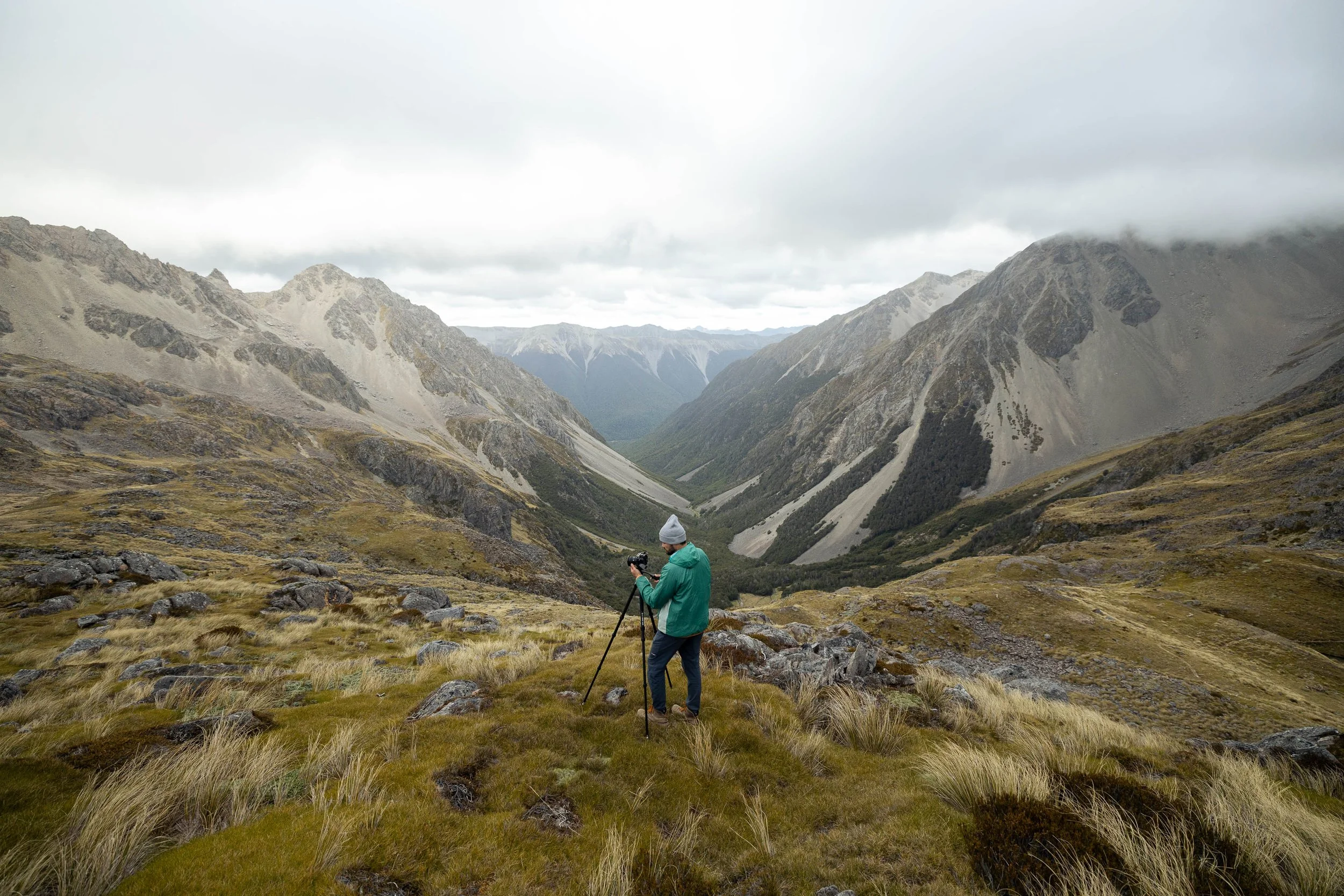
Still not sure which tripod is right for you? We're happy to help. Reach out to our team or visit your local ProMaster retailer to get hands-on with the gear before you buy.