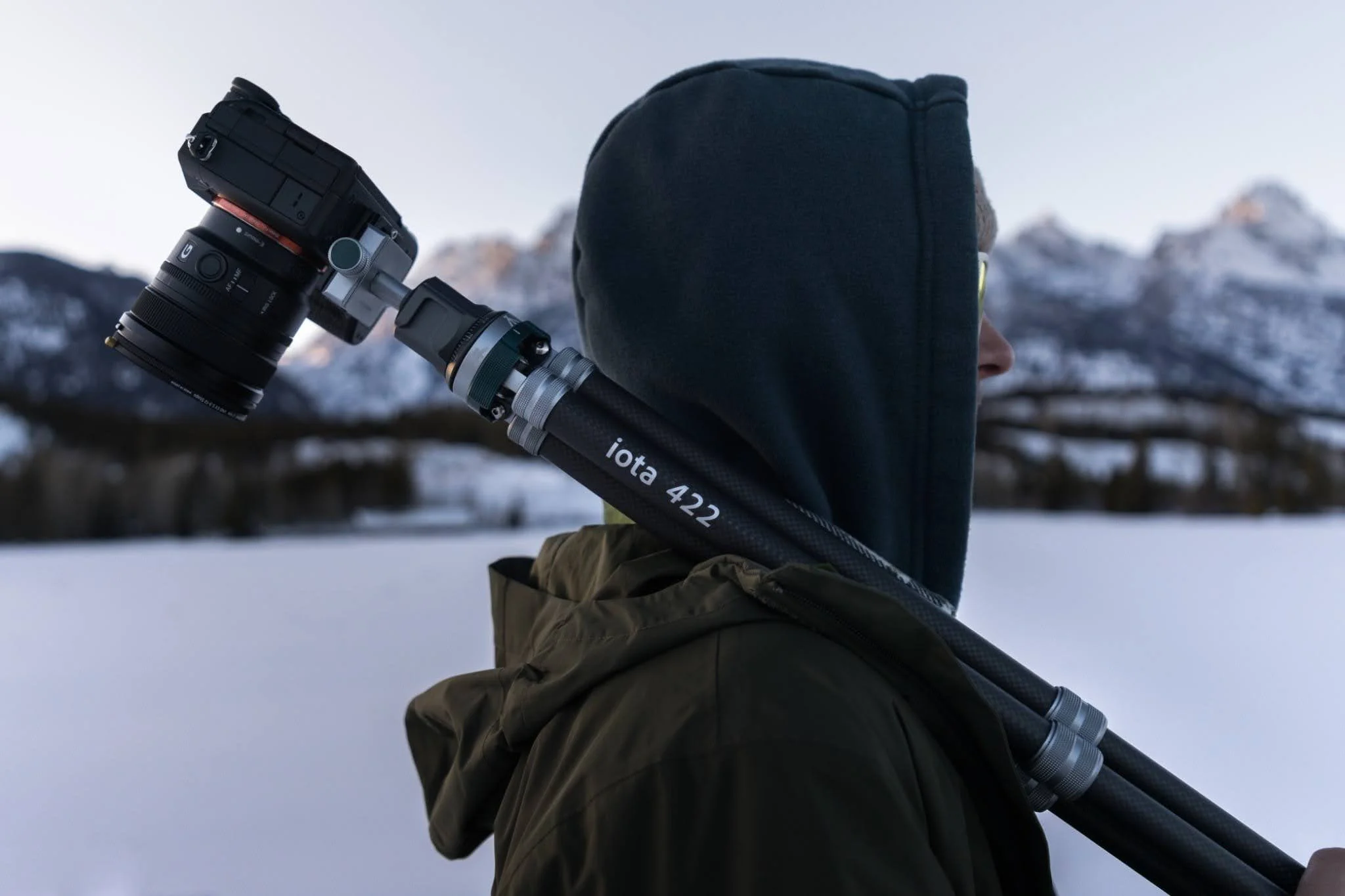
iota: The Lightweight Game Changer
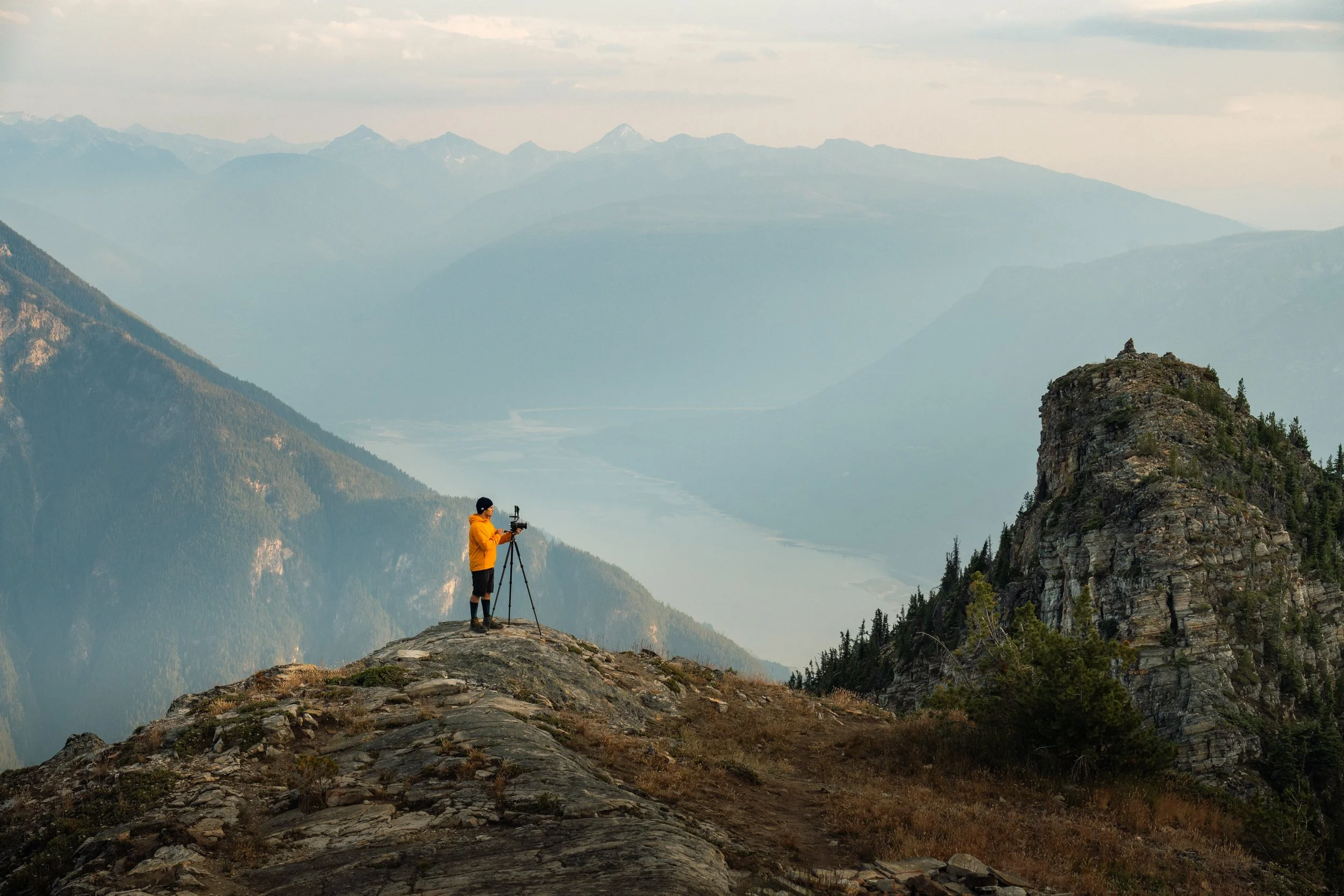
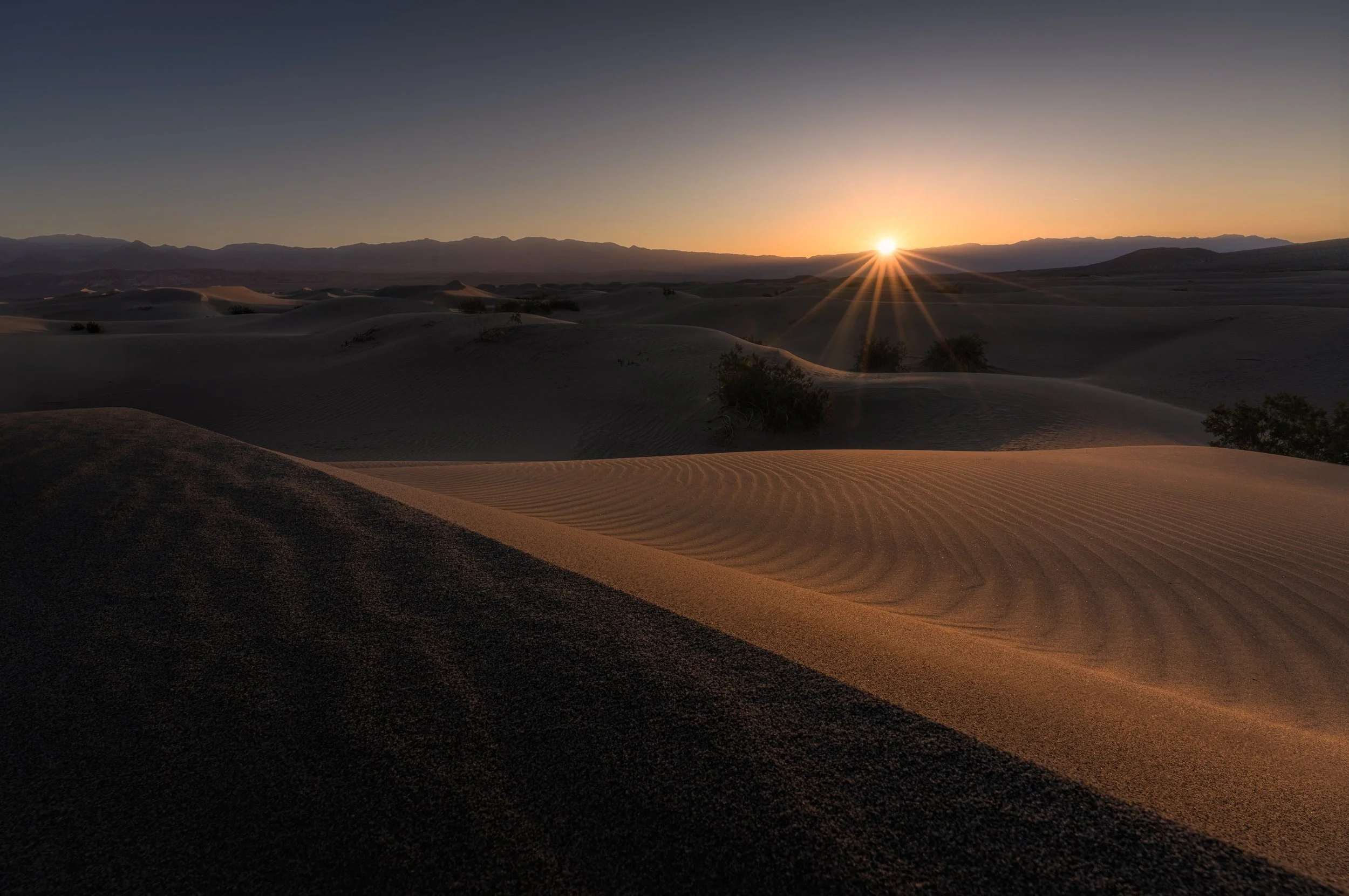
For the past two months, I’ve had the privilege of adding a new tool of stability to my arsenal and putting it to the test. As a landscape photographer who travels frequently, size and weight matter tremendously. Airlines have tight regulations, my vehicle is already full with camping gear, and when it comes to hikes, I’m already carrying a ton. In my years of experience, I’ve learned that the best pieces of gear are the ones that you don’t even feel on your back. Using the iota 422 tripod has been no exception. From the towering Redwood forest, to the unforgiving Death Valley, iota has cemented itself as a permanent resident in my travel kit from here on out.
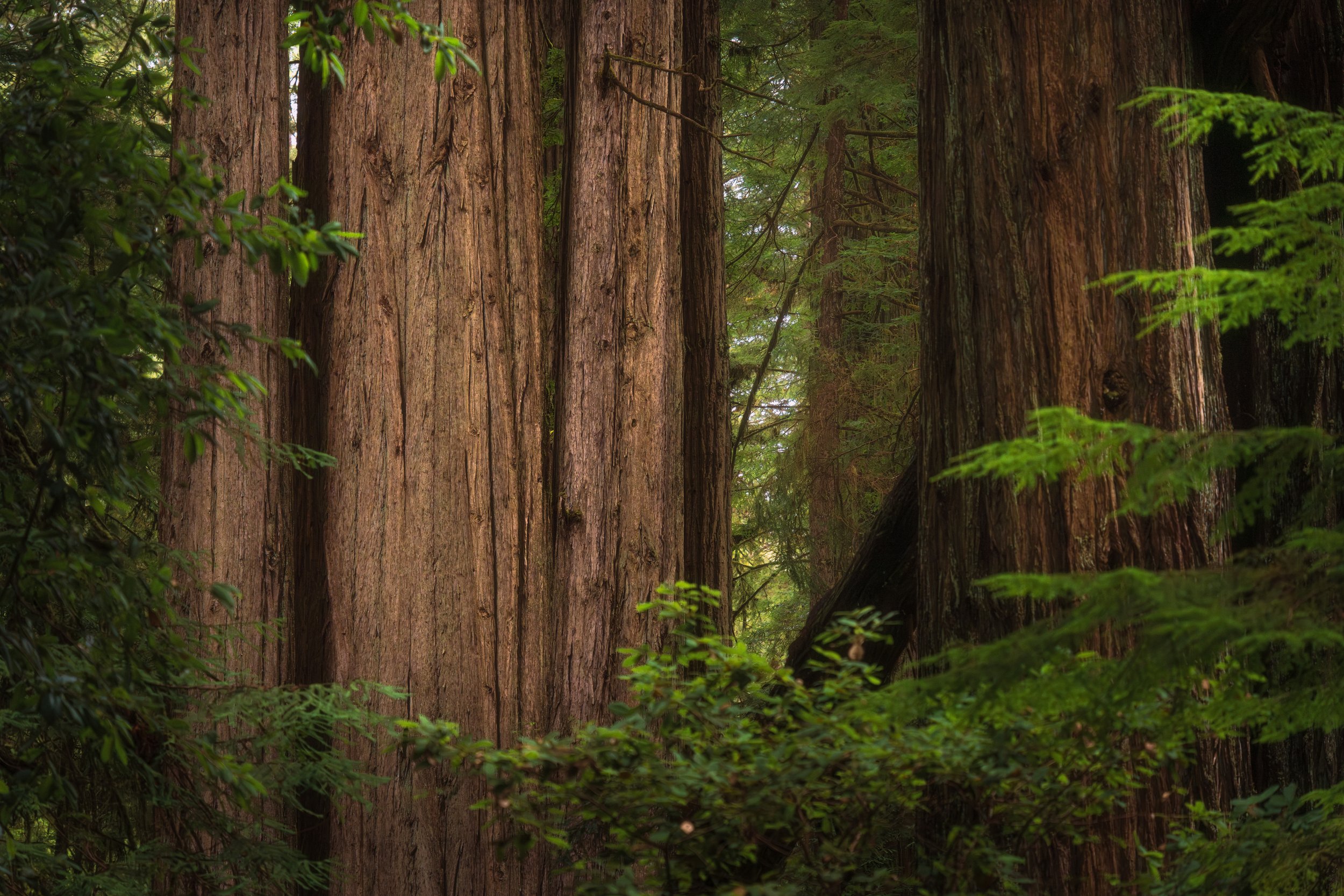
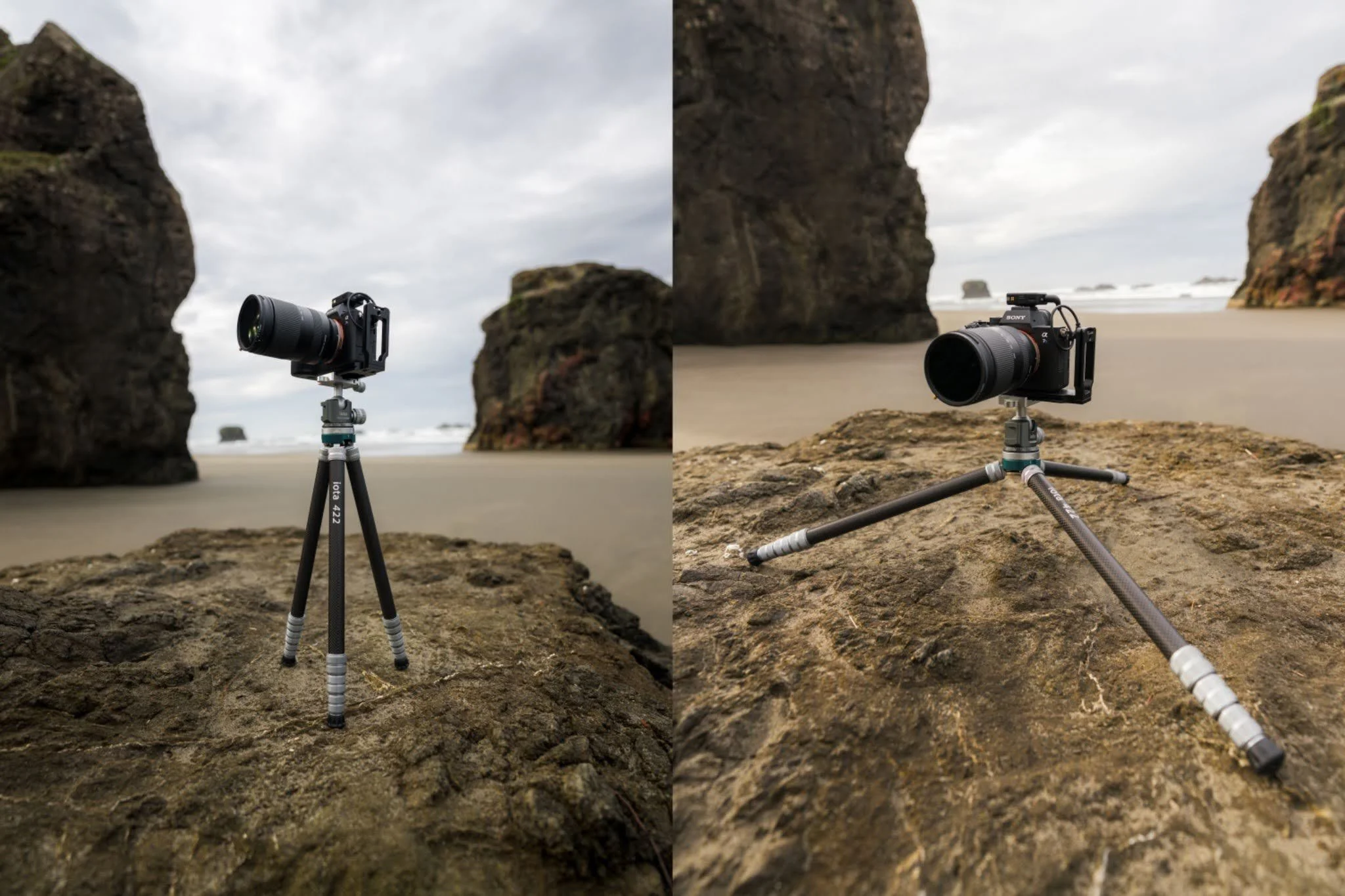
Before I talk about the intricacies of the iota tripod, let’s discuss the big three for tripods: size, weight, and durability. When it comes to size, iota is hard to beat. Not only does it slip into a nice shoulder carrying bag for hikes, but it remains compact even with three full leg extension knobs. This means it remains small for portability and bag transport, while reaching all the necessary heights to achieve the best shots possible. In my recent trip to the Redwoods with iota, I had a series of images that I wanted to shoot with a tripod, but the best angle was without a doubt from eye level. Thanks to iota’s extended height, I was able to shoot slow, concise, and achieve the shot I had hoped for - even if it meant having my camera mounted five feet up.
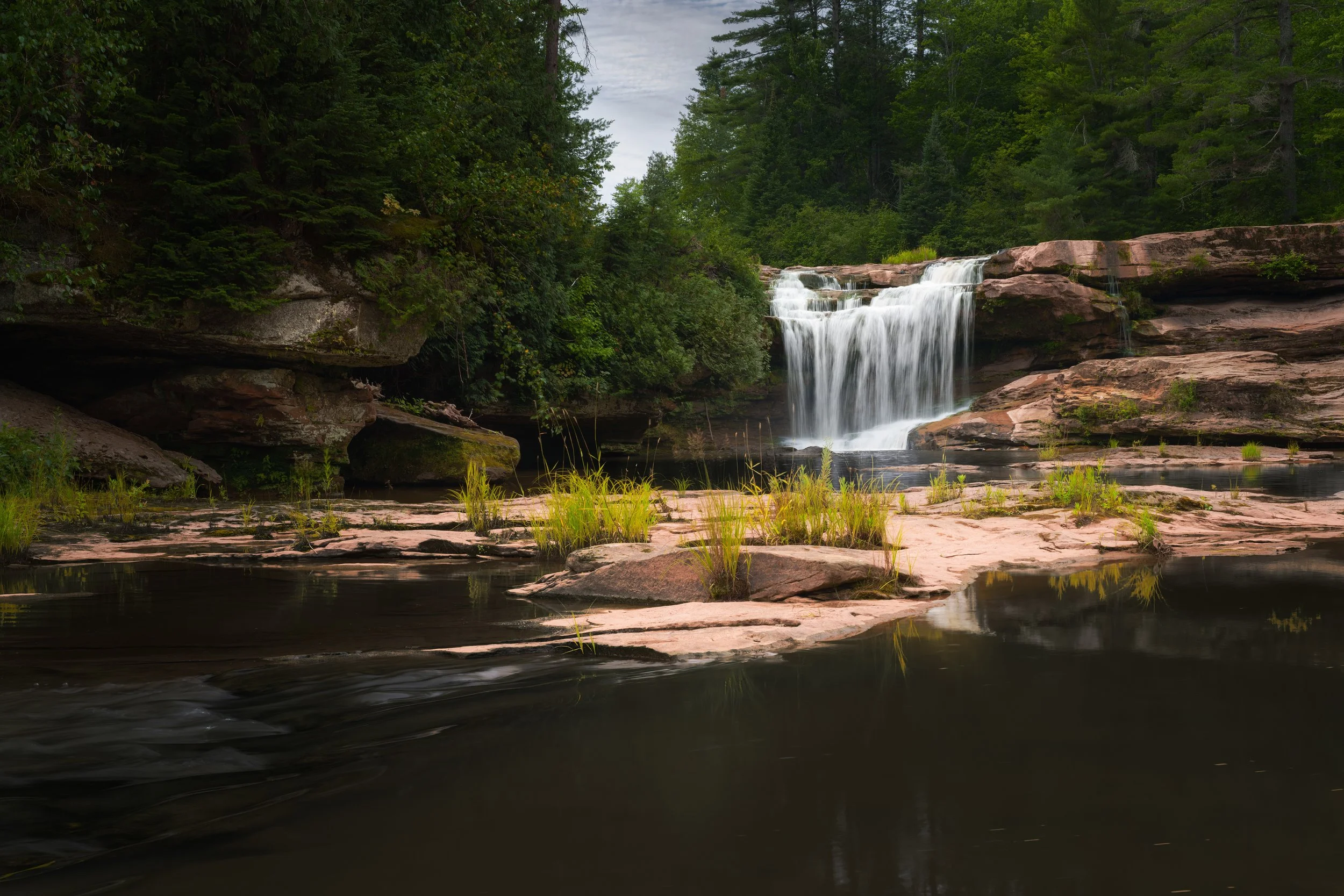
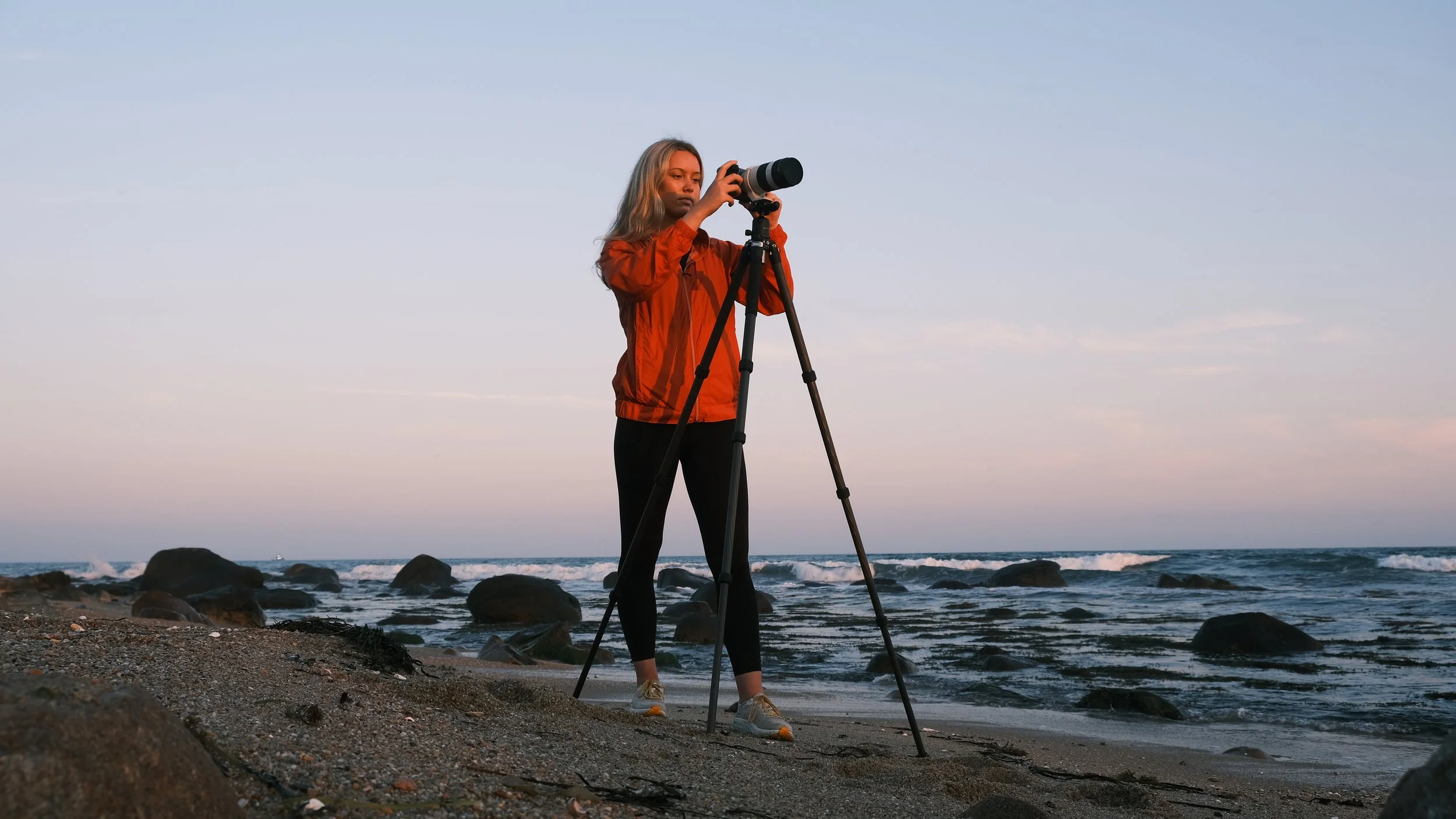
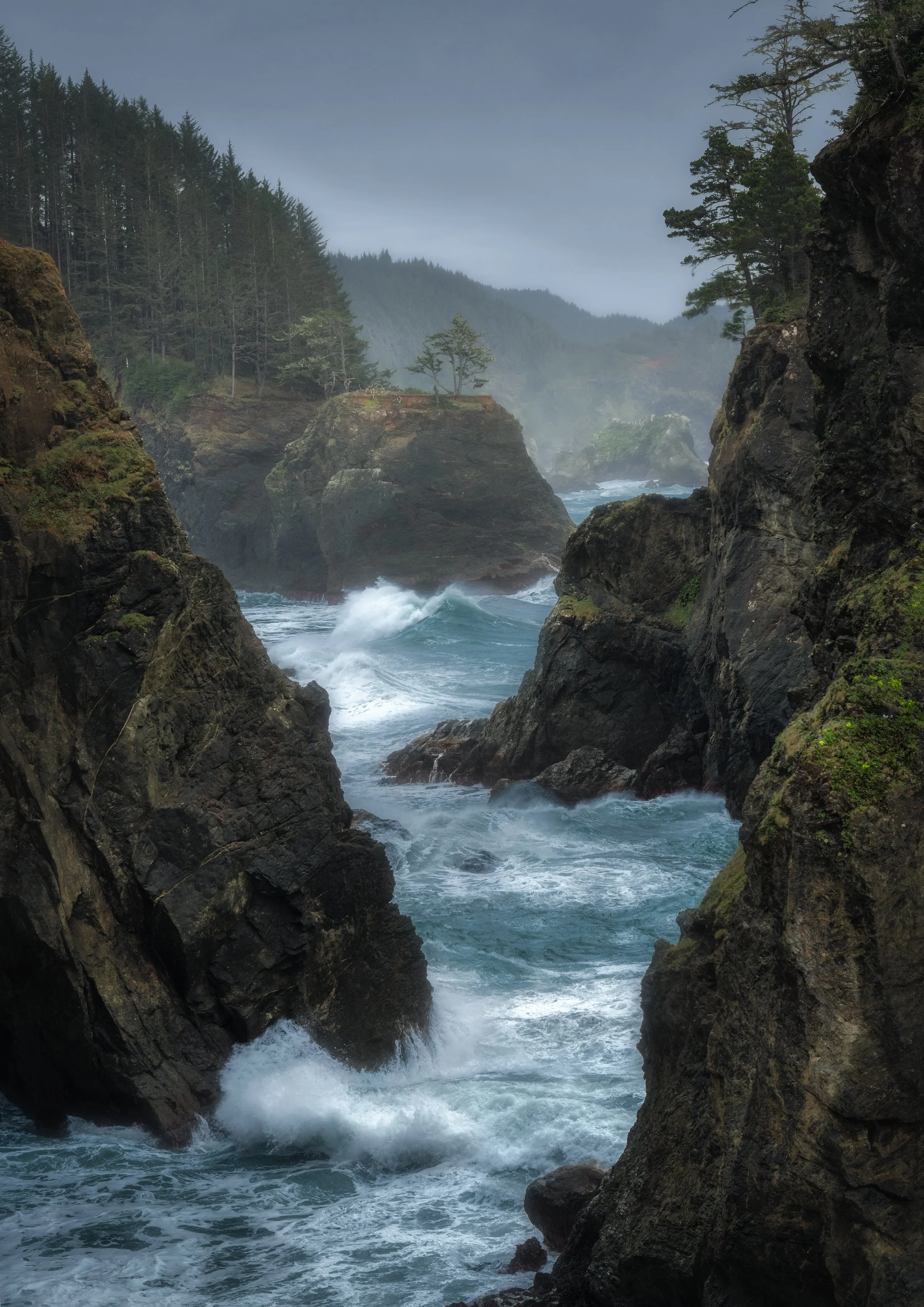
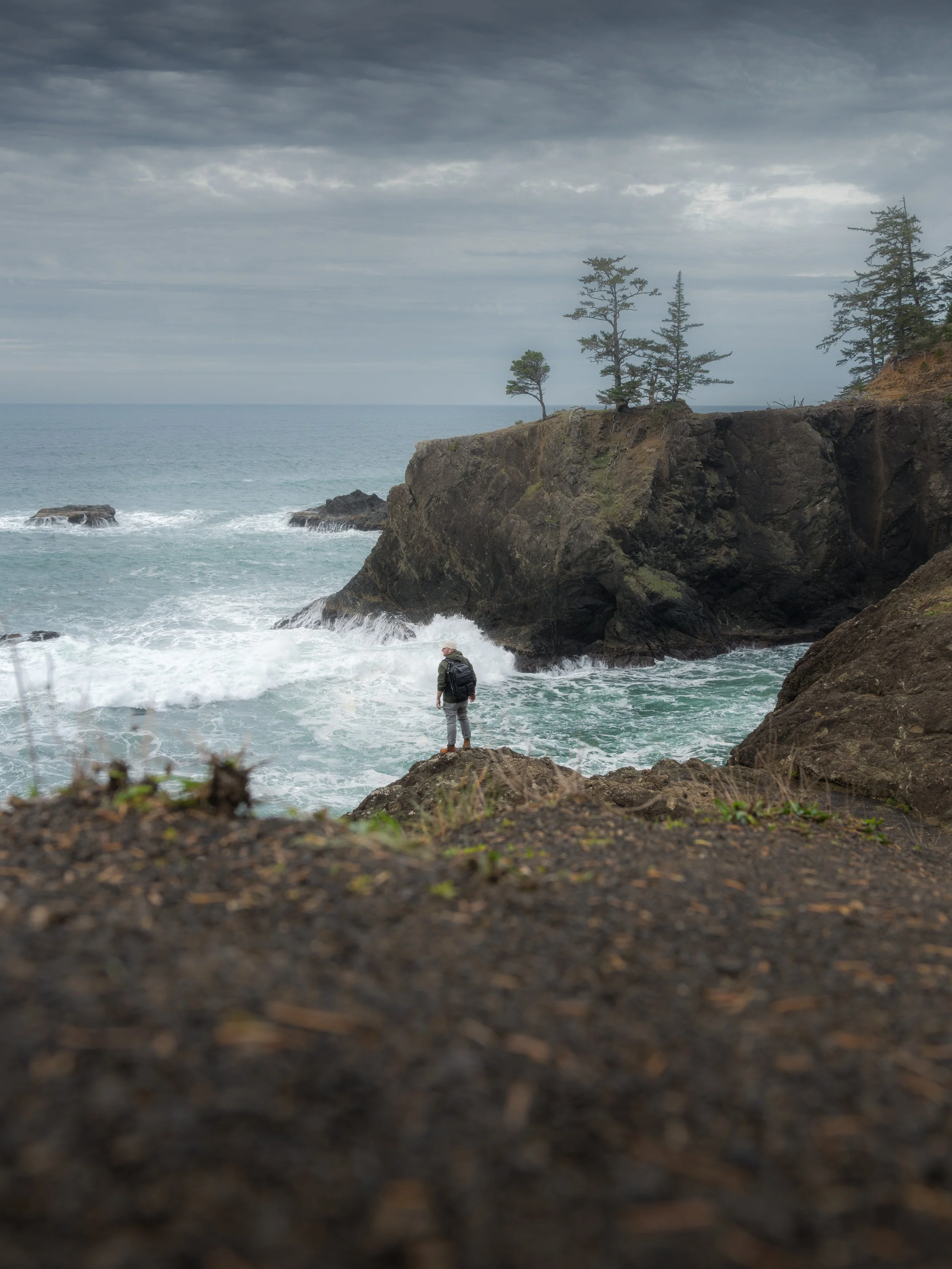
Like all of us tripod users, we’re constantly seeking out durability. What can withstand wind? What tripod plants itself and you immediately feel confident with its stability? Some of my favorite tripods that check these boxes include Epoch and Key Grip. Now, I am adding iota to the same titan lineup. During my time along the Oregon coast, I found an epic wave composition, but all that was missing was, well, the wave. For those unfamiliar with the Oregon coast, the conditions can get gnarly. Wind gusts, rain, and slippery surfaces make any hike and any shooting spot a dream, but also a nightmare. For this scene, iota and I sat parked along the cliffs for well over an hour waiting for the perfect series of waves to crash. The best part? I literally forgot about iota. It kept my camera still in place the entire time, and when the moment arrived, it delivered. We’re only three months into 2026, but this shot will probably be one of my favorites of the entire year.
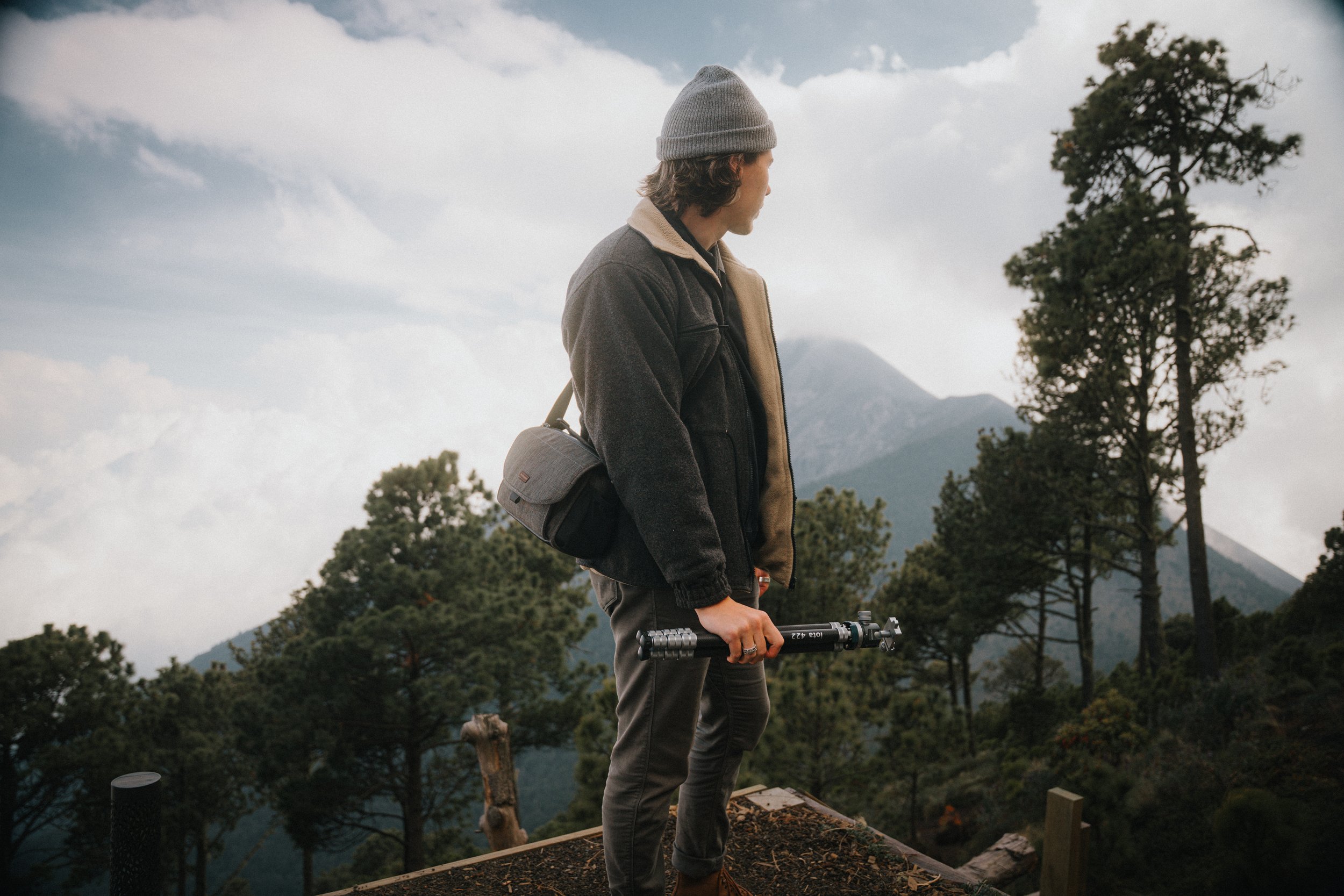
I have a hard time finding the words to describe just how shocked I was at how light iota was the first time I picked it up. Courtesy of the carbon fiber material and its small size, iota weighs less than two pounds. It’s been a treat to bring along on hikes, carry on airplanes, and most importantly, store with my Cityscape backpack. I simply store it in the side pouch of the backpack and when I find a scene I like, it's quick and easy to deploy every single time. Simply put: the lightweight build makes shooting natural. That is a rare feeling with photography these days.
So clearly, iota has the big three covered with weight, durability and size. More specifically, though, what sets iota apart? What makes me choose iota over the other tripods in my arsenal? There are two specific features that I’ve fallen in love with, and to be quite honest, I can’t imagine going back on.
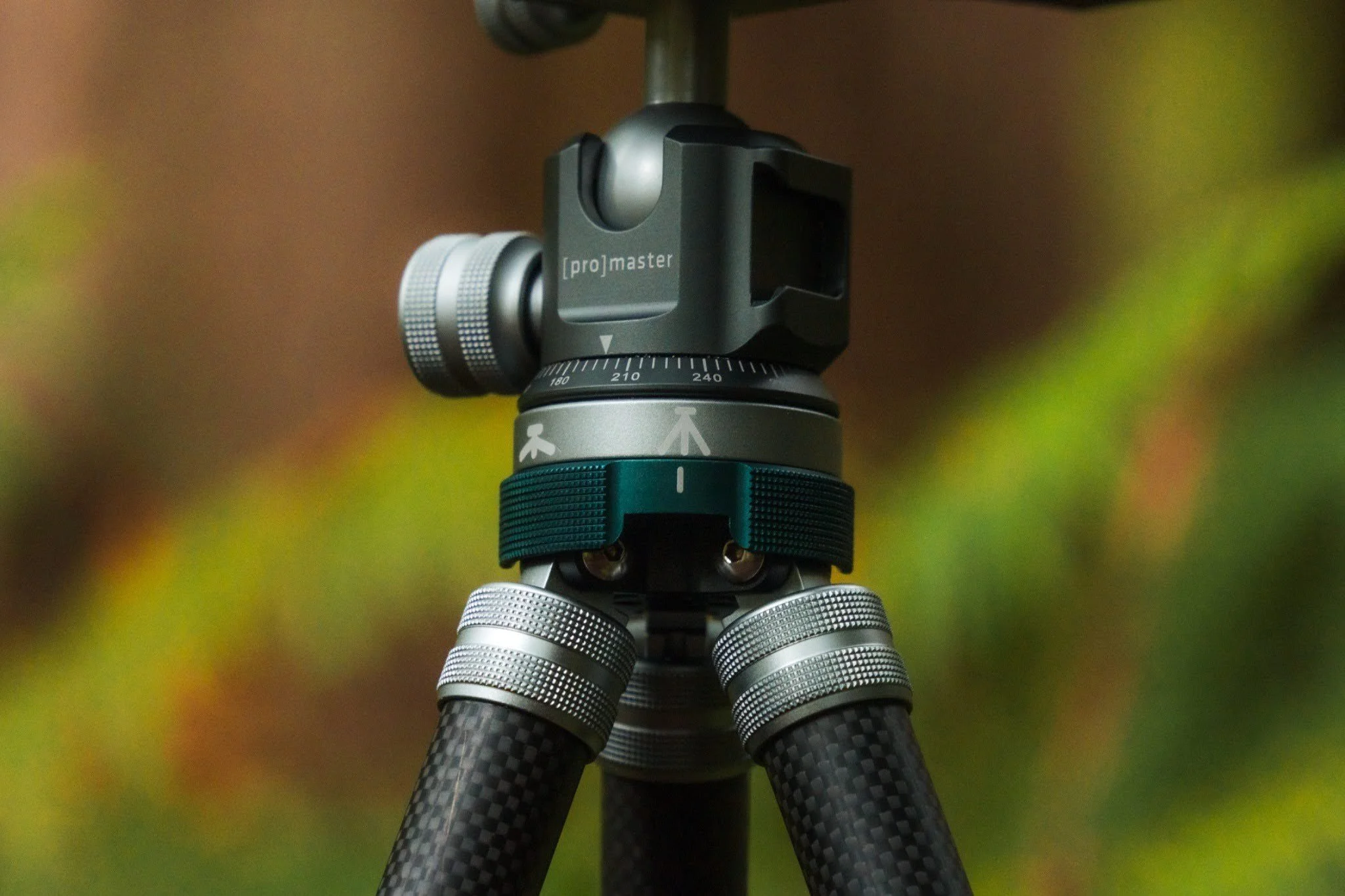
The first is the collar design. I’m big on quick deployment from tall to ground level, and with iota’s new design, a quick turn of the collar makes doing so a breeze. One end keeps the legs tall and rigid, the other allows for low angles and a wide base for seascapes, leading lines, and more recently, astro. For a process that always felt drawn out, eliminating those crucial seconds of resetting my build has made shooting feel more confident than ever. I’m not sure how I’ll ever go back.
The best tools are the ones that include efficiencies that you didn’t even think about. This can be things such as removable legs, an arca swiss compatible head, or with iota… including a cold shoe mount.
I’m a lightweight shooter. I don’t carry a ton of accessories, but one that never leaves my kit is my lightning trigger for storm chasing. In the past, this has just mounted on the top of my camera with a cable drawn from the side. As this upcoming storm season thunderously approaches, I now have a new home for this trigger on the side of iota. This will keep my camera lightweight and balanced, while utilizing all of iota’s best features equally. I cannot wait for the next set of bolts that I capture.
I could go on and on about how iota has elevated my images, made my travel feel “fun” again, or how I’ve answered more questions from passerby hikers than I ever have. As I prepare for a trip to the Swiss Alps in a few weeks, one thing is for sure: iota will not be left behind. The build quality thrives, the height and weight are sleeper wins, and the new collar feature is a new standard for me. The next time you’re planning for a trip, plan it with iota. You will not be disappointed.

Charlie Kruschek
Landscape photography is Charlie's true passion, chasing everything from storms to sunrises. Standing humbled before nature's raw power and in awe of the world's subtleties, Charlie's goal is to preserve heart-skipping moments of natural light, focusing on an emphasis of time. Charlie attempts to share his imagery as a method of inspiring others to appreciate life's beauty through a different optic and the fragility of each second.