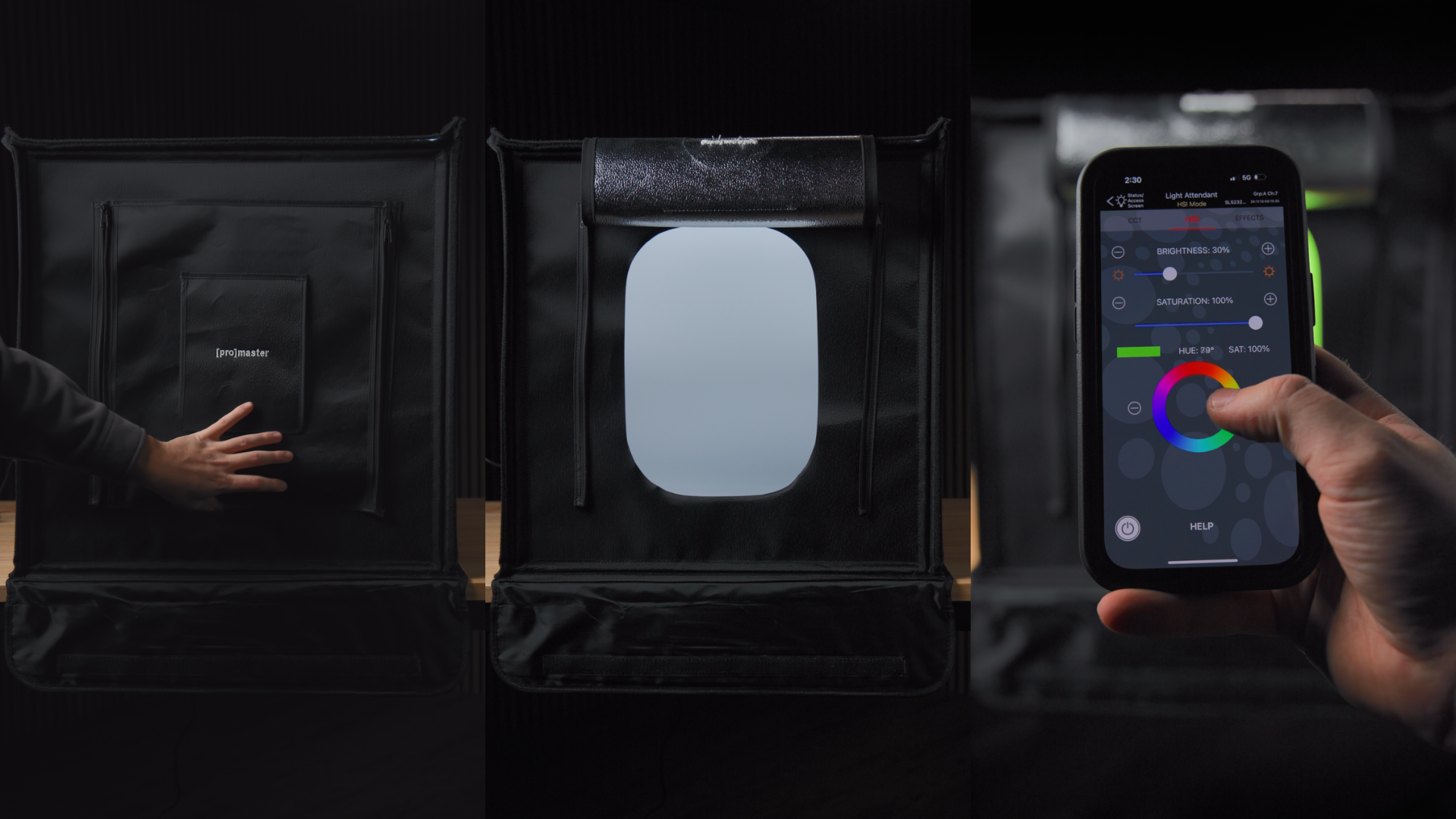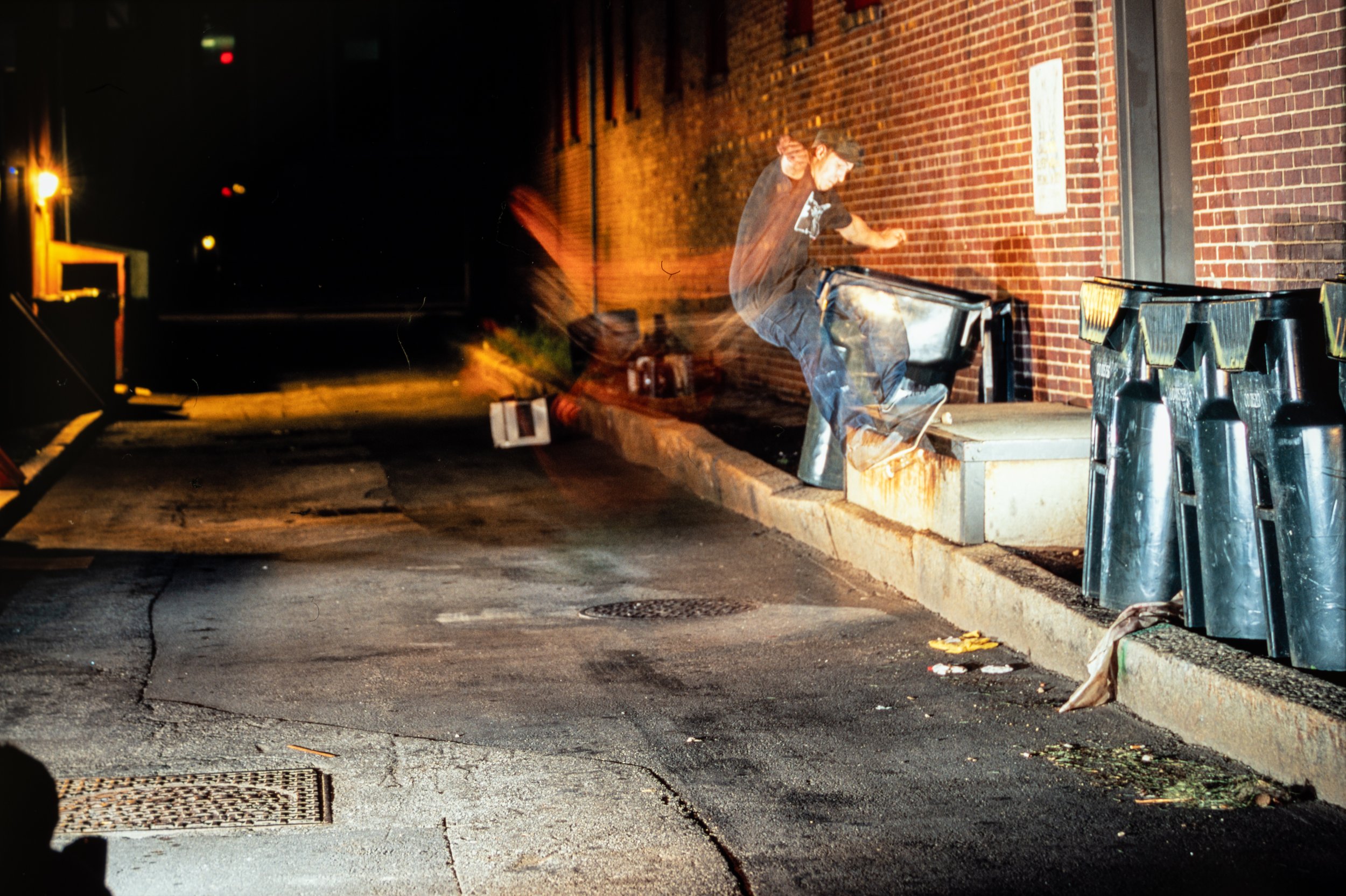
How Mike Mitchell Digitizes His Favorite Film
Don’t get me wrong, I love my job. But before my life became consumed with spreadsheets and meetings, it was a mountain of Ilford Delta 100 and Fujifilm Velvia 50. I spent much of the late 90’s and early 2000’s documenting skateboarding in the Northeast, predominantly on film. Over those years I spent countless hours scanning film on everything from Nikon’s Coolscan 5000 to an Epson V800.
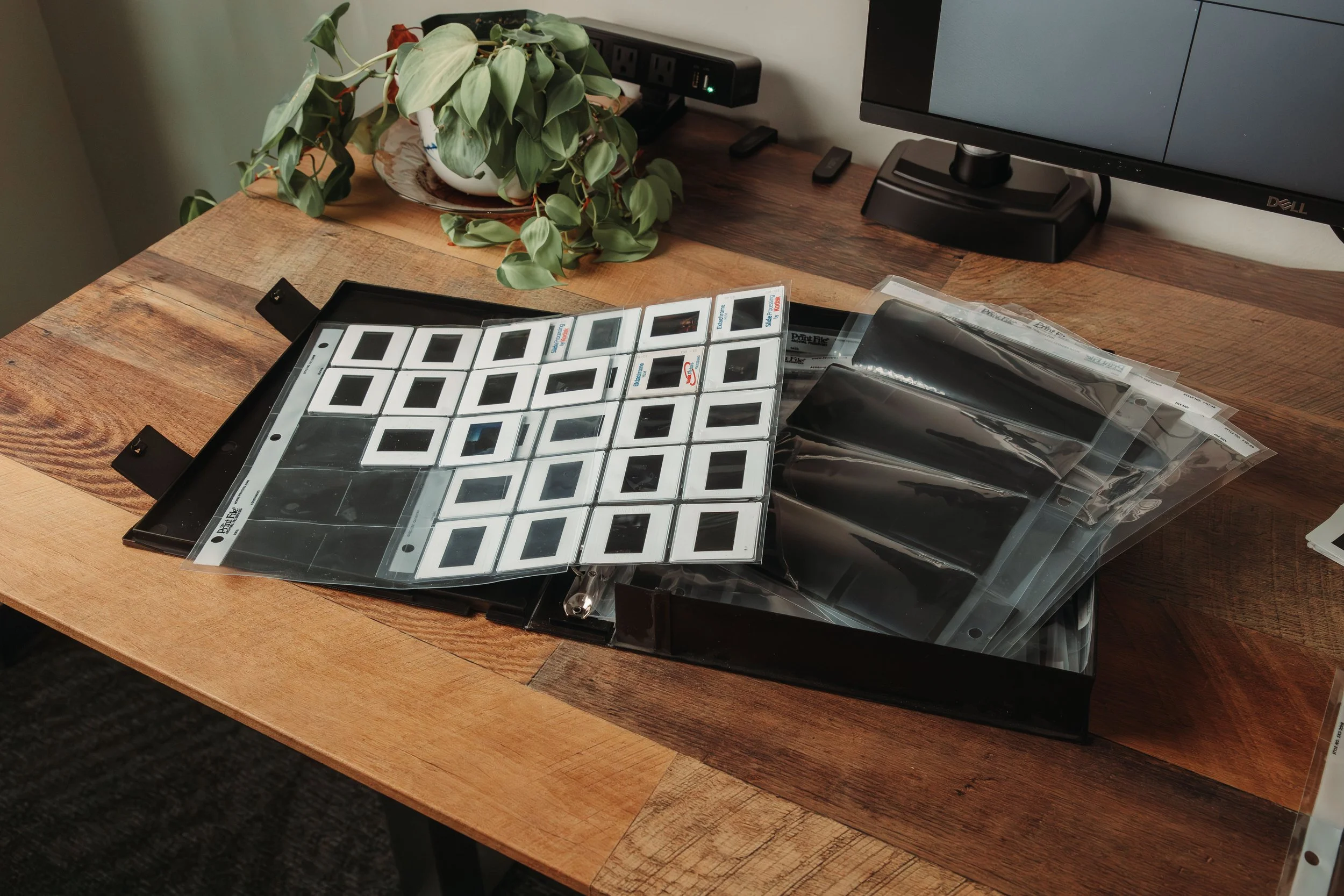
In that time, the process of taking images from analog to digital was time consuming and tedious, which meant photographers needed to be very selective when culling images. Sounds kinda silly when you consider a roll film has 36 shots versus 1,000+ on a single Rugged SD Card. When I first saw the ProMaster Digitizing Kit, my immediate thought was to use it for the thousands of frames that have never seen the light of day, because a quick look through 10x Dome Loupe deemed them not worthy of the time to scan and the space to store.
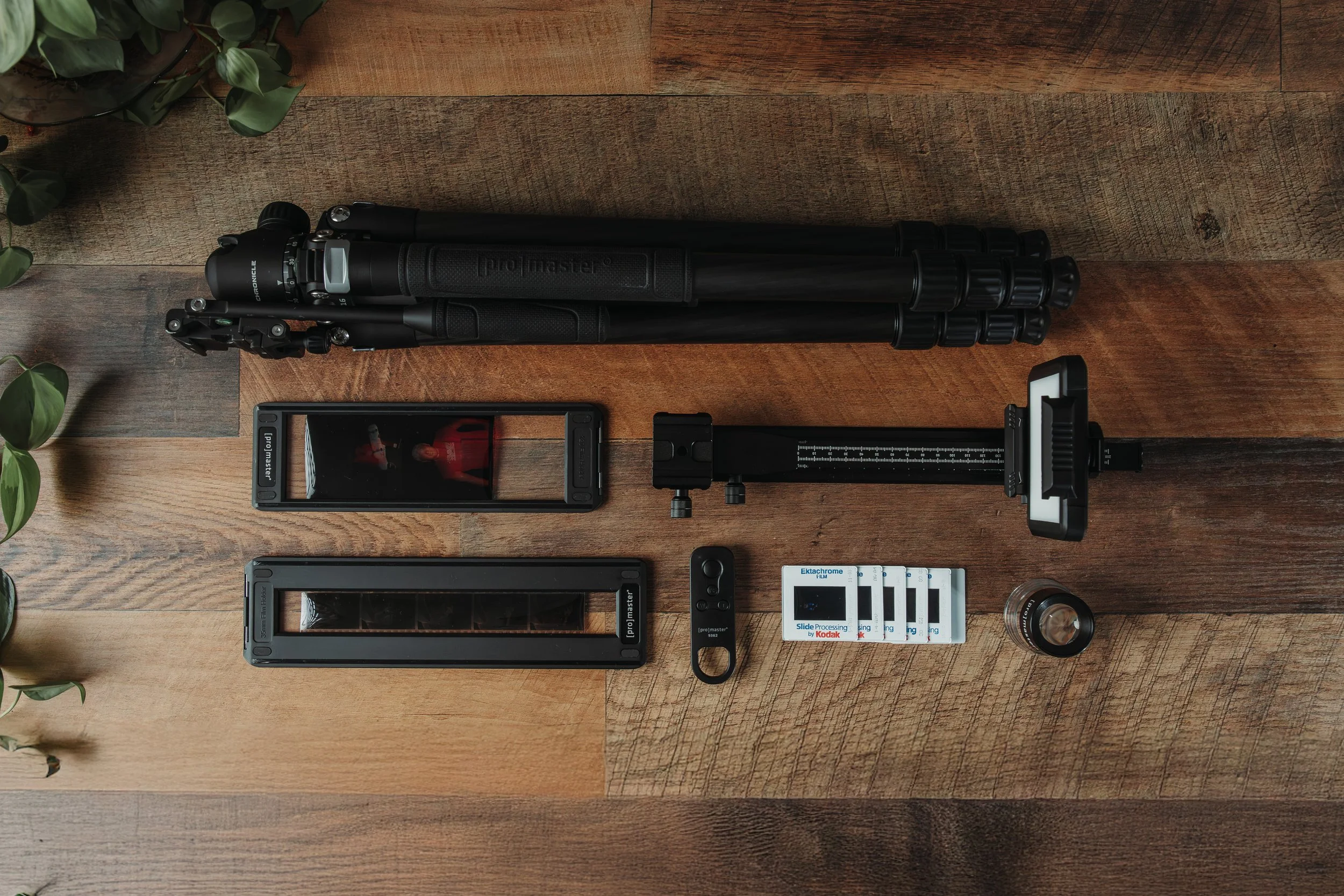
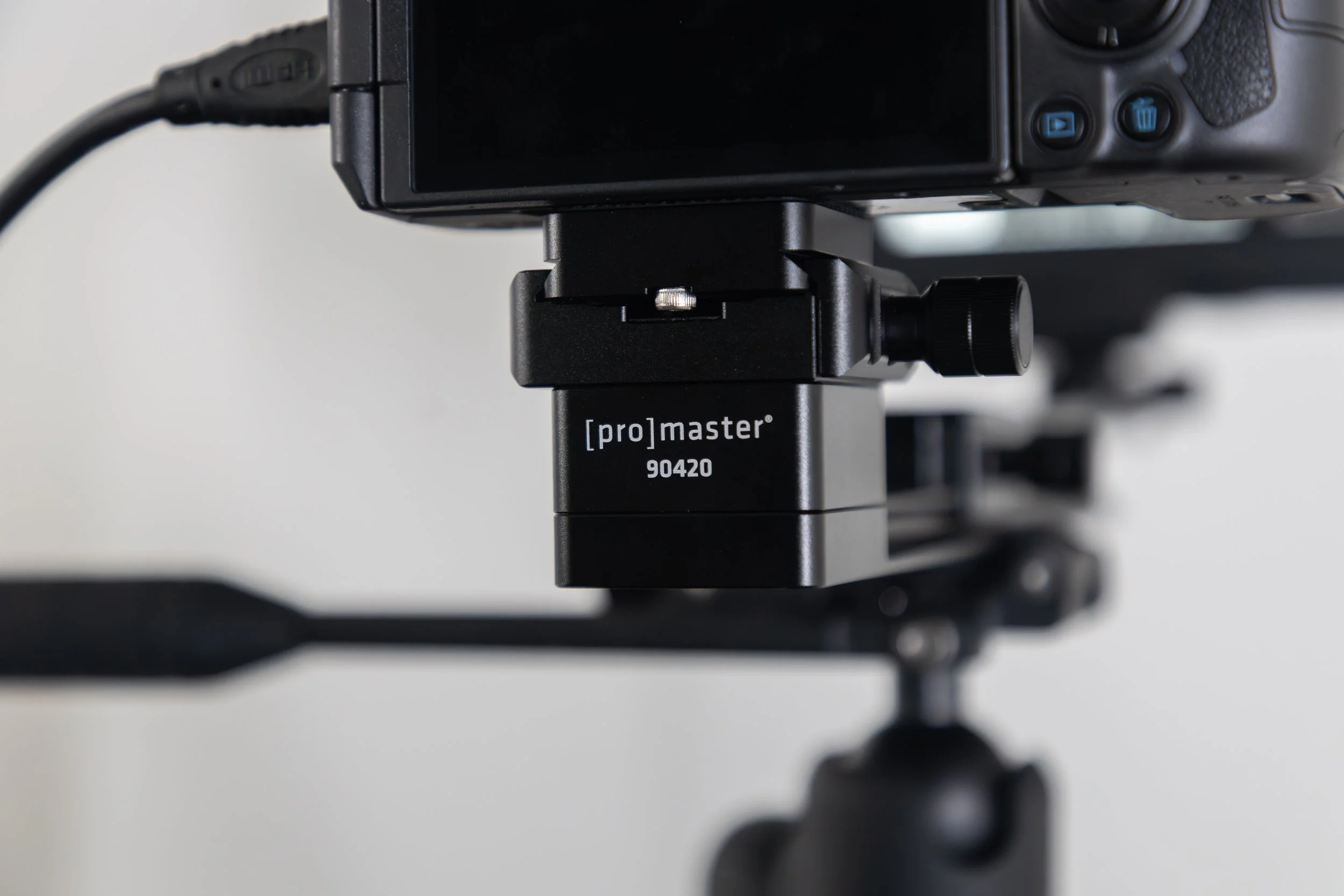
When I got my hands on the Digitizing Kit, I was downright giddy to relive some incredible moments. I pulled out my Chronicle Tripod and began assembling the Digitizing Kit. Everything went together quickly and the many built-in adjustments made it simple to customize the setup for my camera and lens. Although I was ready to go in just a few minutes, I looked at the setup and thought, I can take this to another level. I didn’t want to trade my loop for an eyepiece or LCD screen, I wanted a more immersive experience, so I grabbed a 13” portable monitor and connected it to the camera. Now we are talking, I can see the small details that elevate a good photo to a great photo. Lastly, I grabbed a Bluetooth remote release. Sure, I could have just used the shutter button on the camera, but I wanted to stay lost in the moment on my screen.
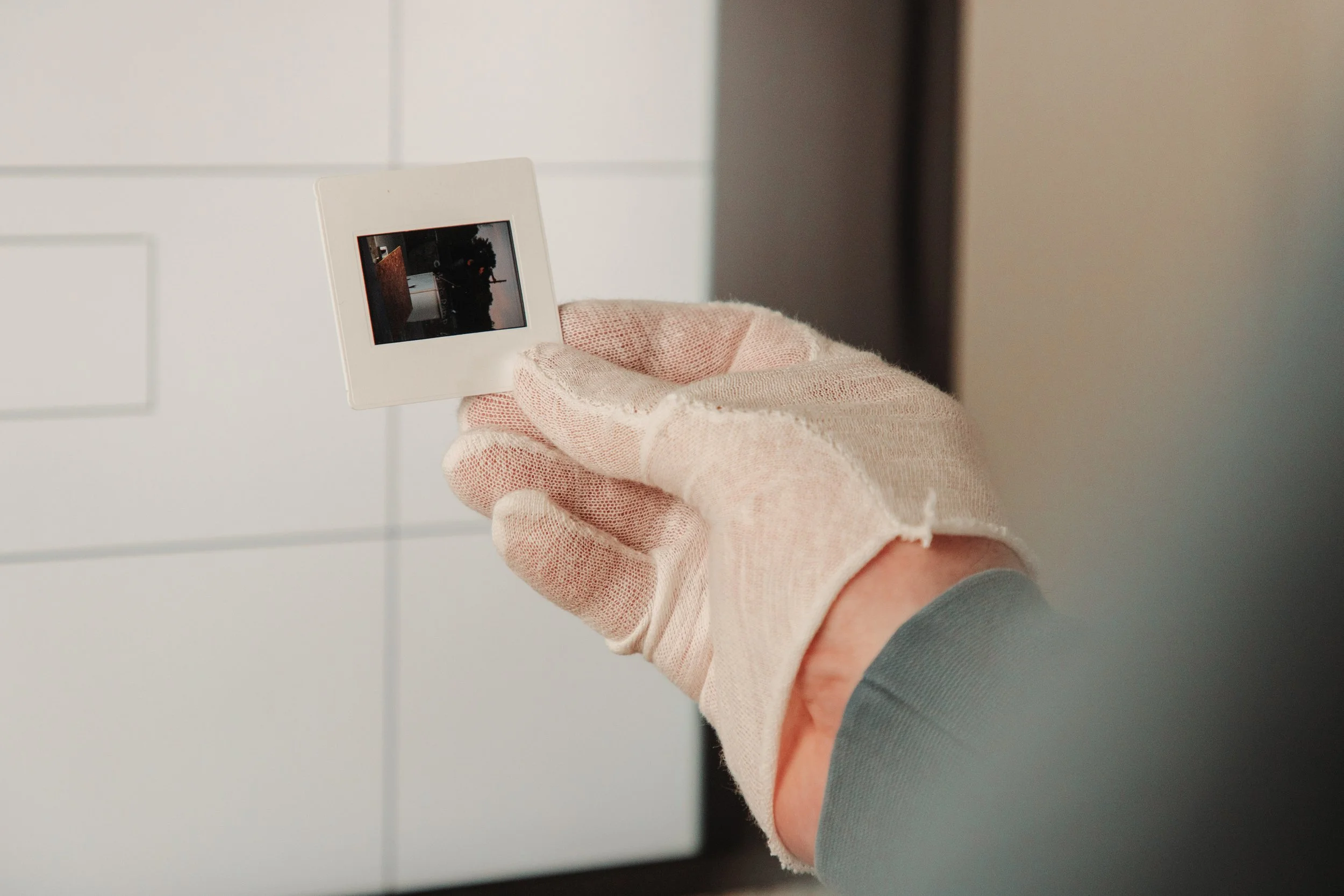
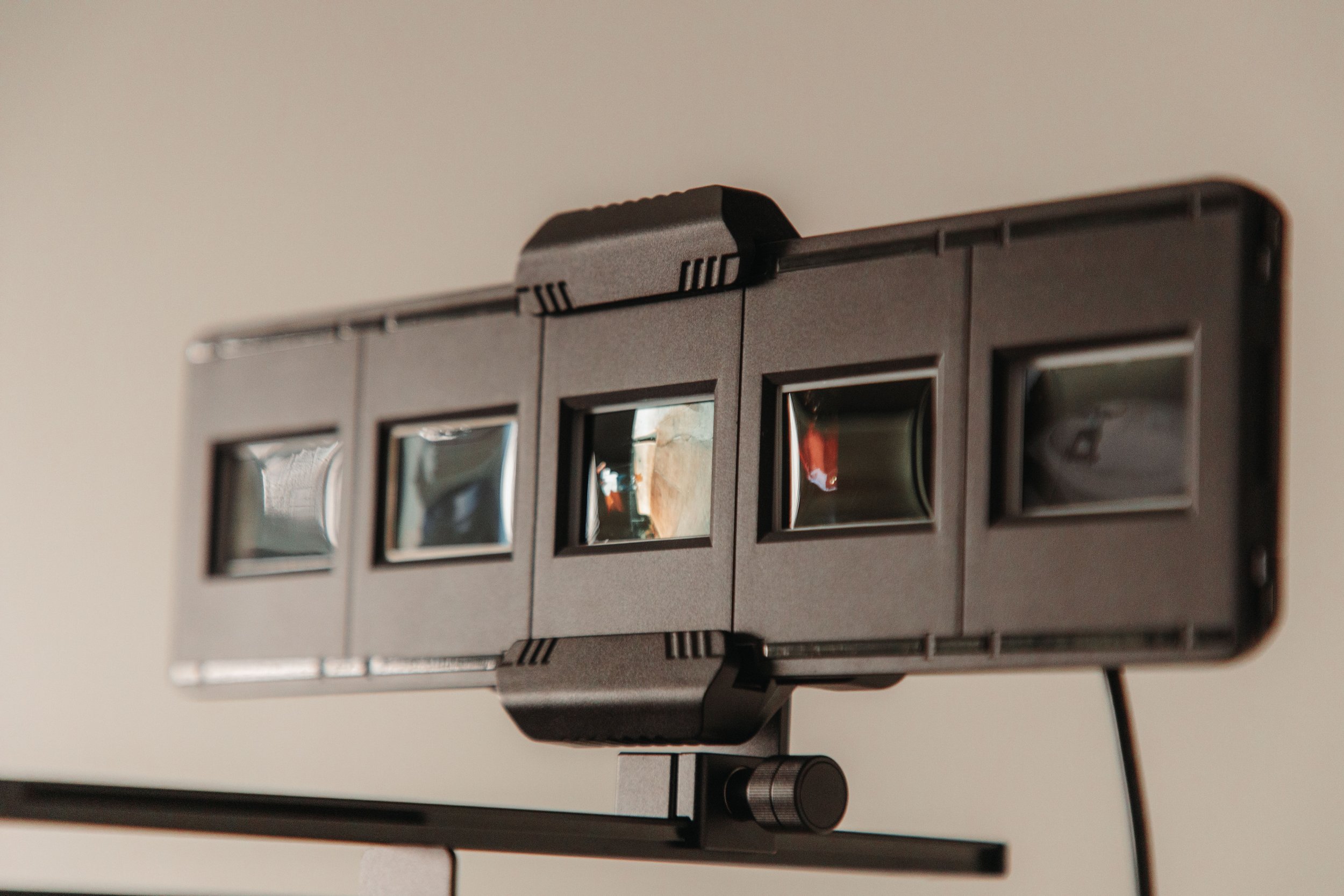
I loaded up the 35mm film holder with a strip of some of my oldest work on Kodak Tri-X and the 120mm holder with a few frames of Fujifilm Velvia 50 shot on my Hasselblad 501C/M. I began the process of capturing those images using the Digitizing Kit, making tons of comments like, “Look how young he is”.

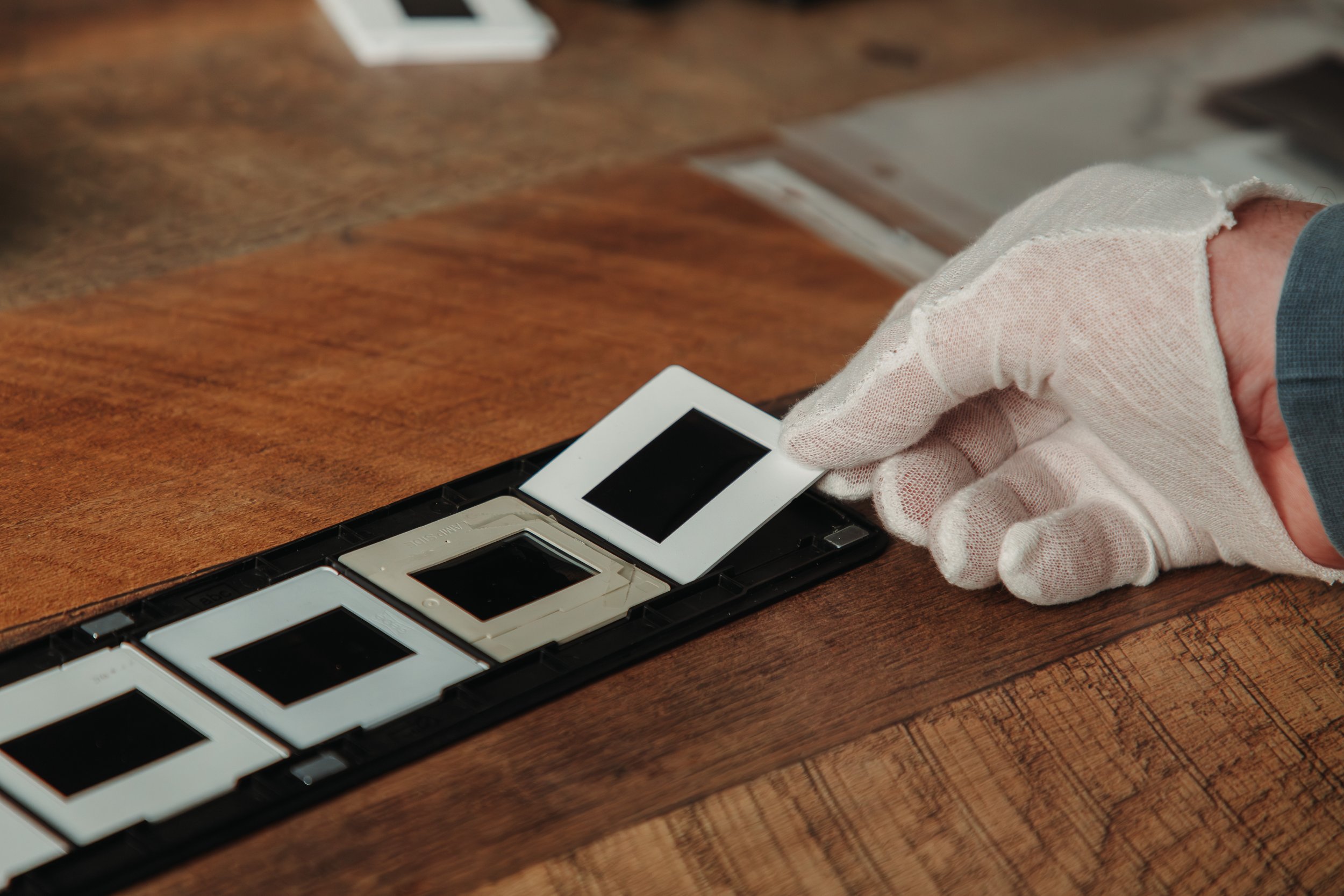
Making quick work of the film strips, I ran into a problem when I got to the page of slides: there was no holder. One option was to break open the slide and load each frame into the 35mm holder. I didn’t love that idea and then a light bulb went off in my head. We had inadvertently made the fastest and easiest way to bulk process slides. The solution was as simple as rotating the ball head down. Doing so essentially created a copy stand, which allowed me to quickly place a slide on the light source, shoot it, remove it, and repeat. I didn't have to go in and out of a holder or fuss with a stack loader, like in years past.

For me this was the perfect solution, but we realize not everyone will share that opinion, so we developed, and will soon release, a Mounted Slide Holder. I also tested that holder and can happily report that it is far and away my favorite slide holder I’ve ever used.
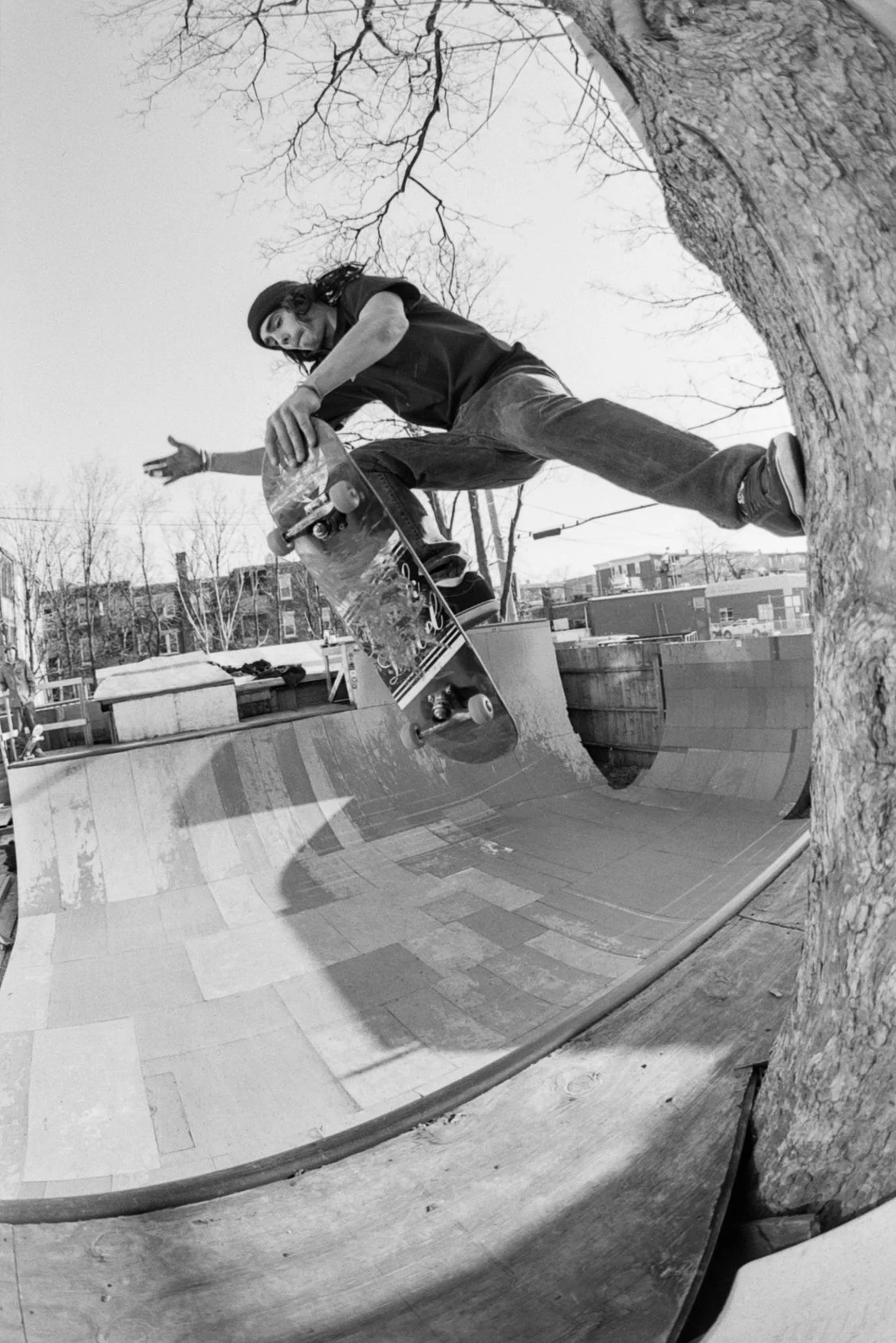
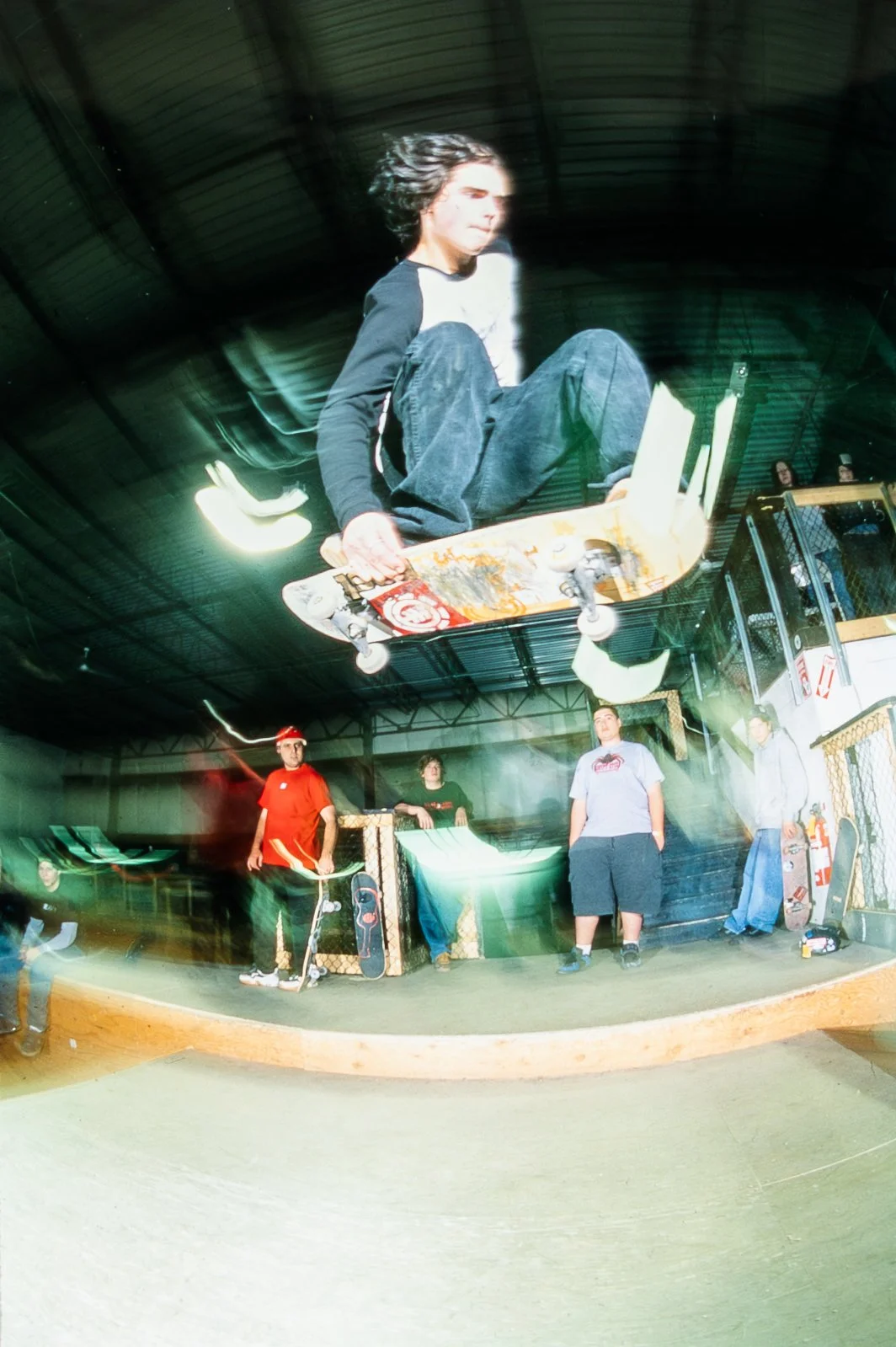

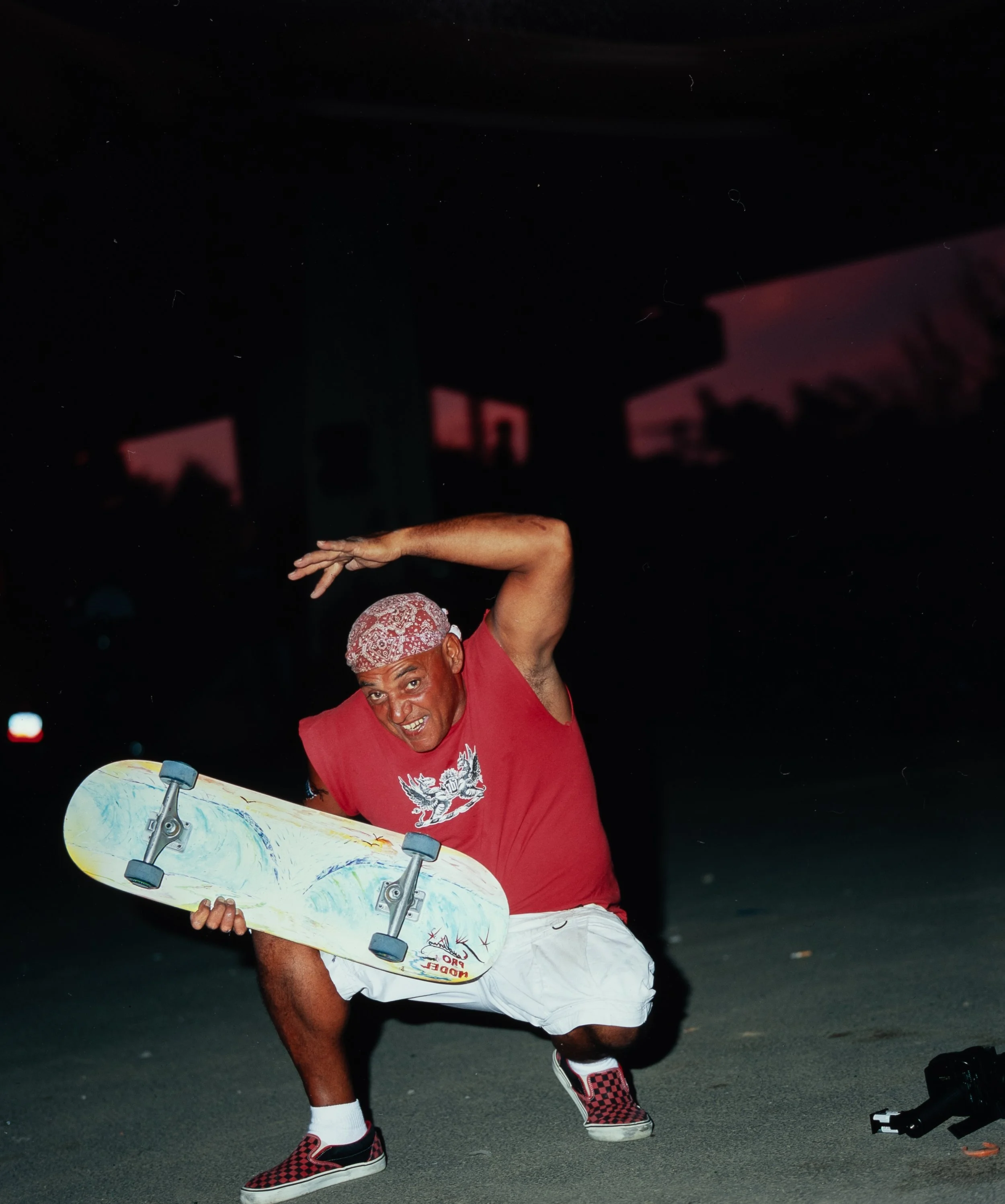
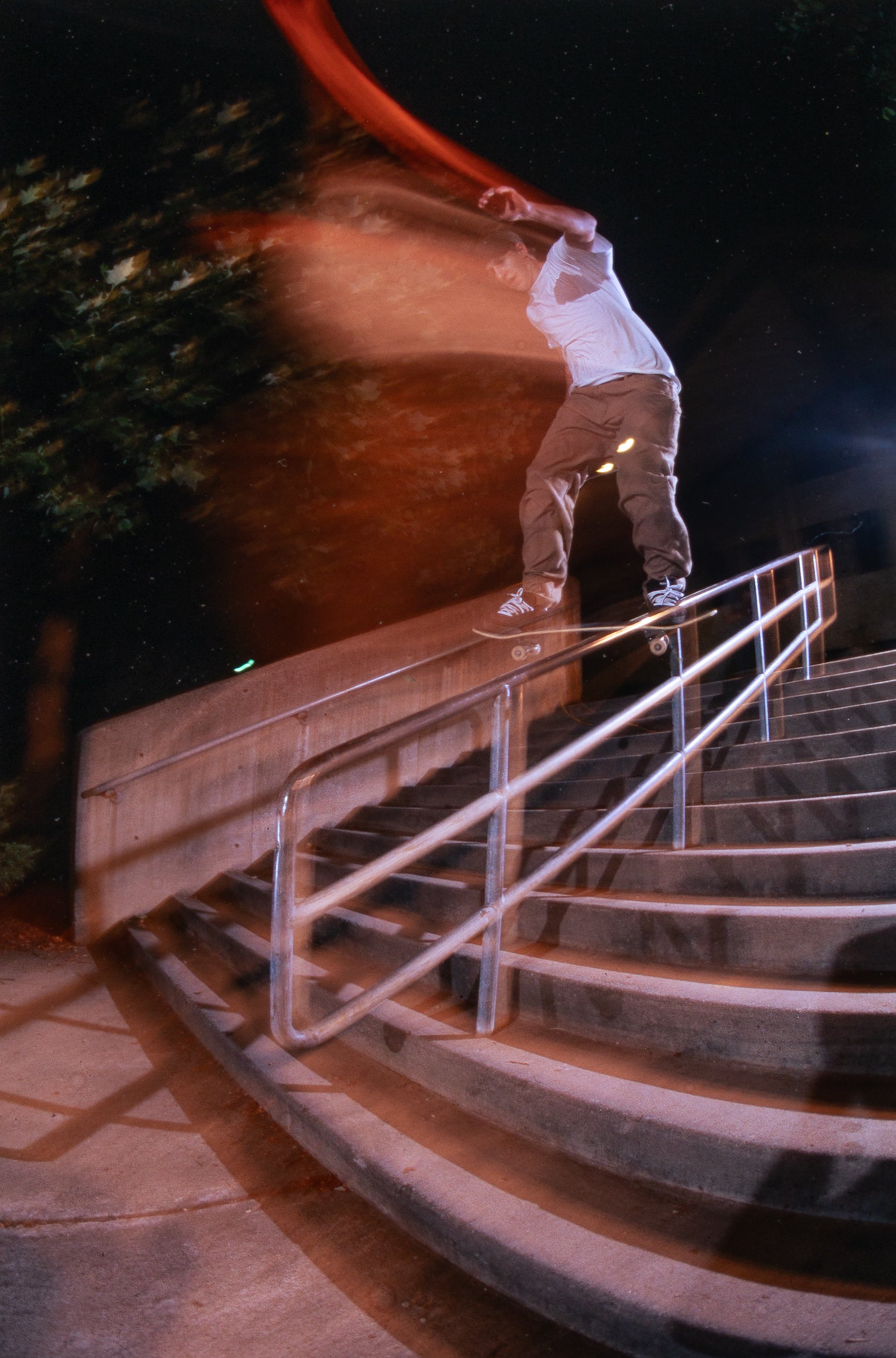
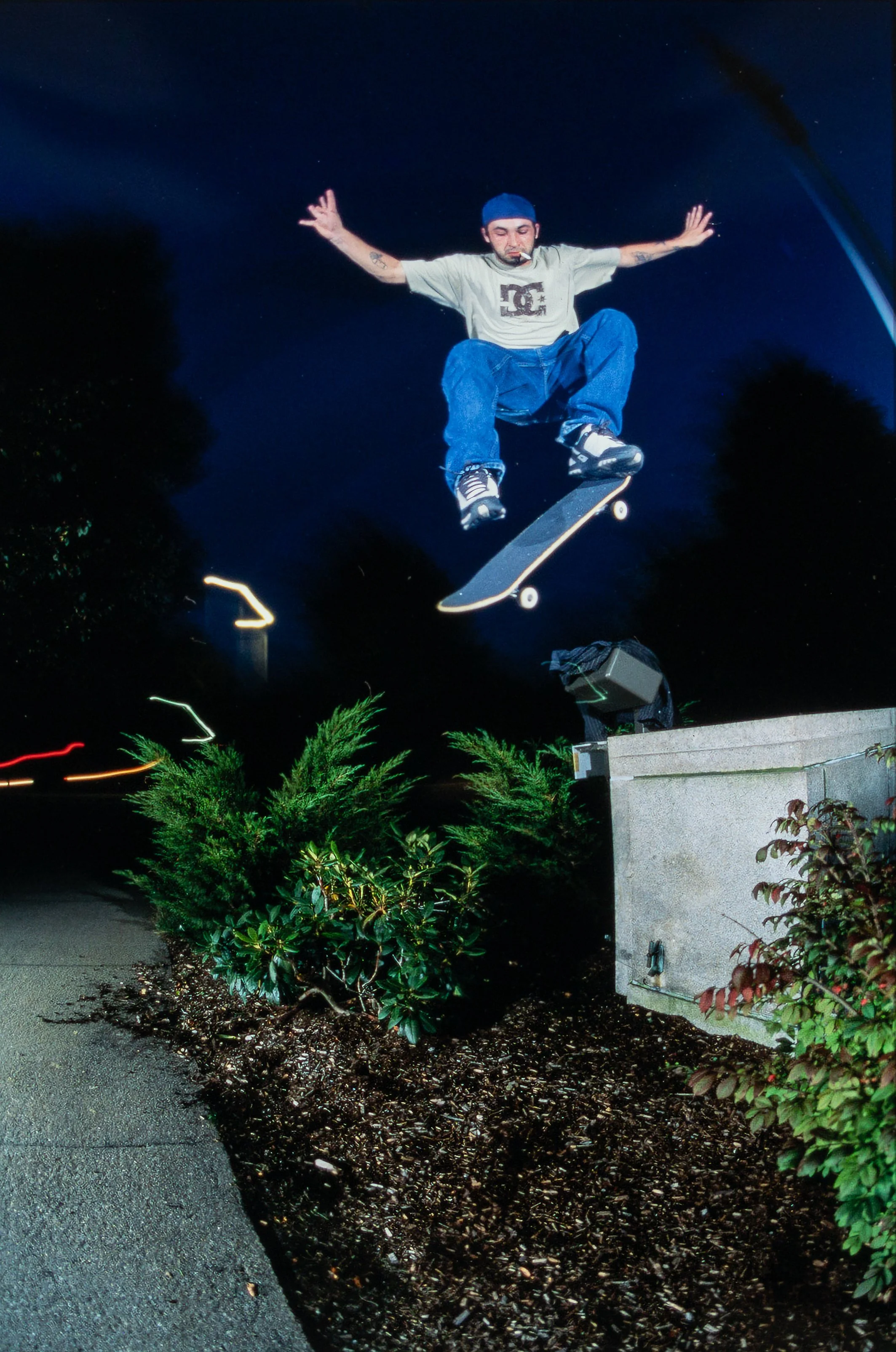

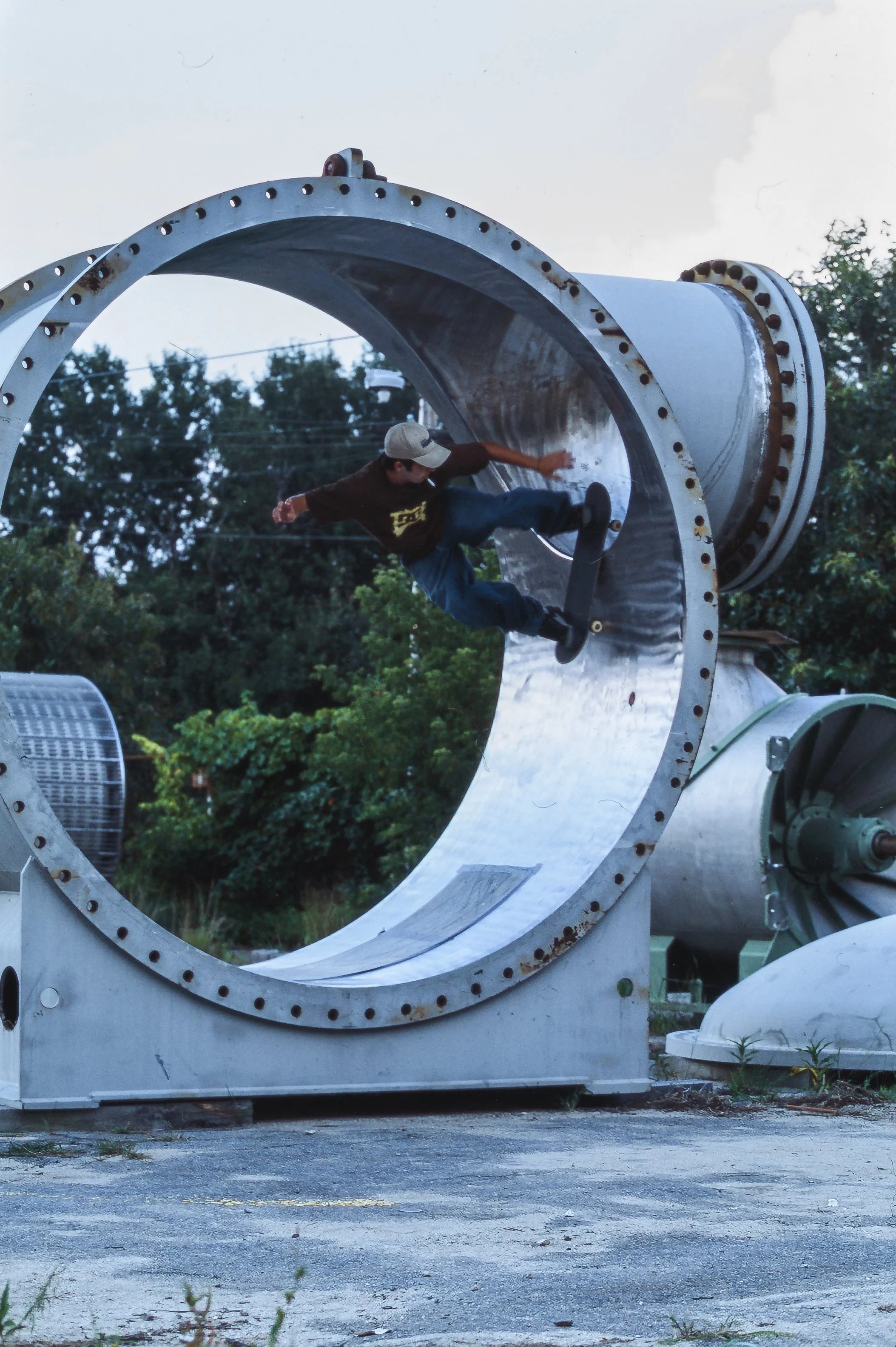
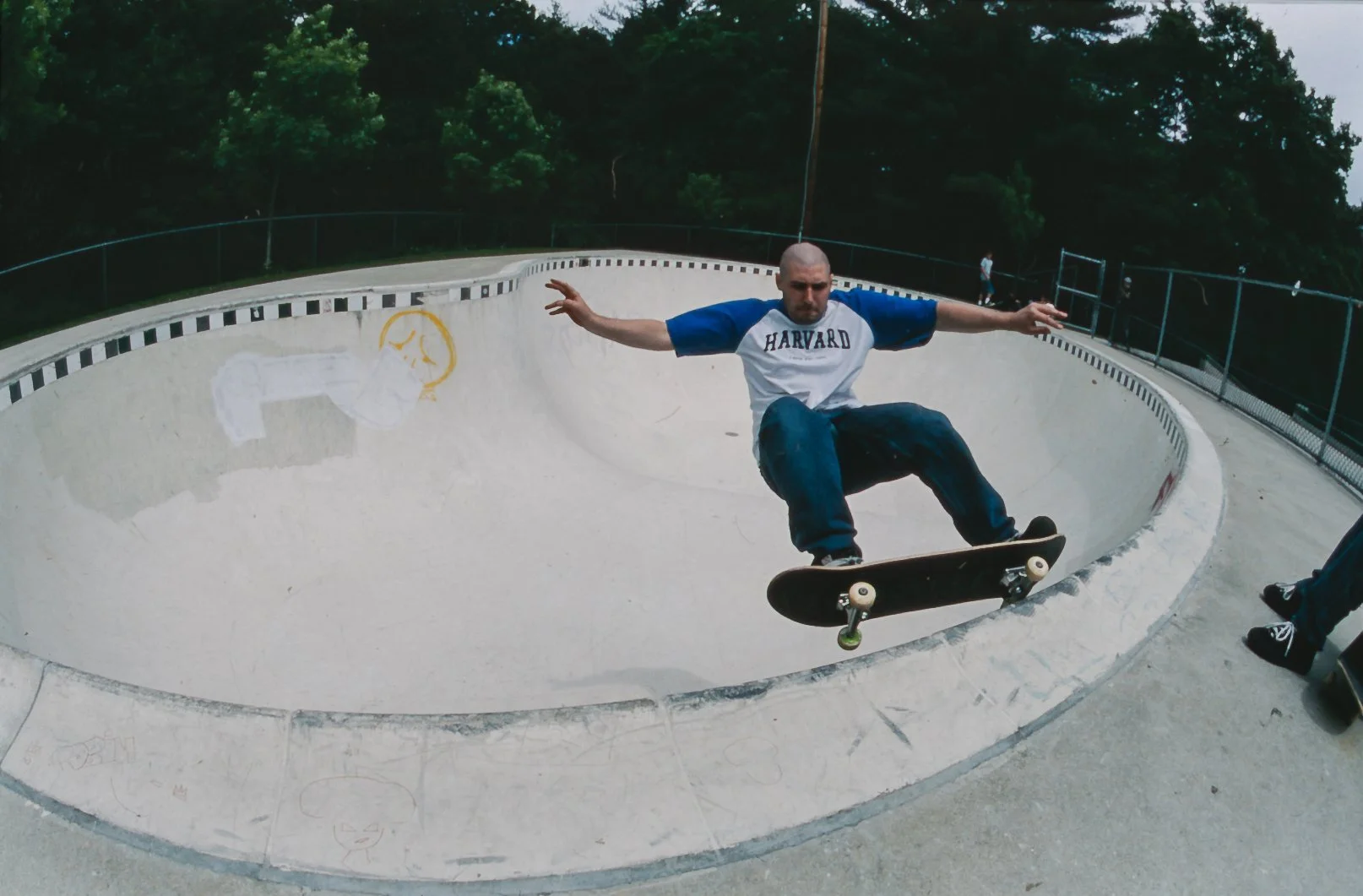
Image credits: Mike Mitchell
I hope you enjoy the sample images as much as I did creating them. There is something special about being physically involved in the process of image making. This connection can be hard to achieve in a digital world; the Digitizing Kit provides an opportunity to not only relive the moments in the images but also the feeling of being a part of the process. If you have stacks of film at home, I can’t recommend the Digitizing Kit enough. If you don’t have stacks of film, maybe this is a sign that you should get out and explore the format that helped shape the human experience for more than a century.
See Mike Mitchell use the Digitizing Kit and revisit some truly amazing memories.
Mike Mitchell
Mike Mitchell is the President and COO of ProMaster and has spent more than 20 years in the photography industry. His journey began as a film photographer and has evolved into helping photographers make the most of their time behind the lens. Outside of work, he still enjoys skateboarding, listening to heavy metal, and never misses a chance to take in great photography.