How Photographers Can Always Be Prepared
When photographers talk about gear, the conversation usually revolves around cameras and lenses. We compare autofocus systems, debate image quality, and spend far too much time researching our next big purchase. While those pieces of gear are certainly important, what’s most likely to ruin a day of photography are the smaller pieces of gear. It’s the details that are easy to overlook when I’m rushing out the door for a sunrise, boarding a flight, or trying to beat initiation on a storm chase. Through trial and error, I’ve learned that a few minutes of preparation can save hours of frustration in the field. These are four small gear tips that can make the biggest difference when preparing for a shoot.
1. Bring Small, but Mighty, Cleaning Tools
Few things are more frustrating than returning home from a great shoot, loading my images onto my Macbook, and discovering that a fingerprint or smudge has been sitting on my lens the entire time. Dust, fingerprints, water spots, and/or mud (if you’re like me) can quickly find their way onto the front element of a lens or filter, and most of the time you won’t notice the issue while you’re shooting. It’s only later, when you’re reviewing images or editing them, that the problem becomes obvious. This is especially true for landscape photography or in any condition when shooting stopped down to f/8, f/11, or even more closed off with more in focus.
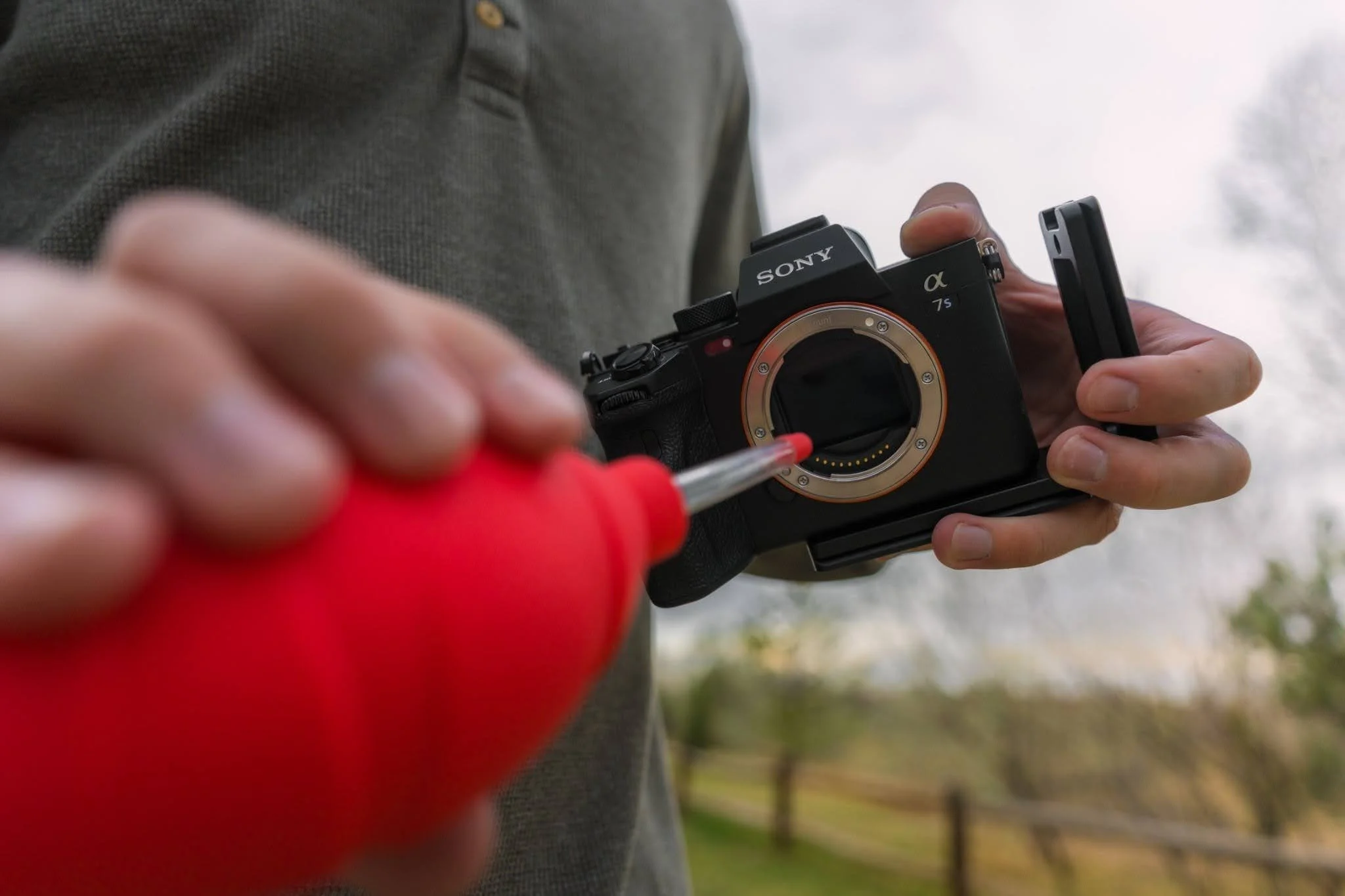
Because of that, I always carry a microfiber cloth and an air blower to pair with my HGX Prime filters. The microfiber cloth weighs almost nothing, takes up virtually no space, and has saved countless images over the years. And as for the air blower, it’s the key ingredient to a clean camera sensor. Before I start shooting, I’ve made a habit to quickly inspect my camera, my lens, and any filters I’m using. It takes less than a minute and gives me confidence that the images I’m capturing will be as clean as possible. Even though I know my HGX Prime Protection filters repel virtually all elements, the microfiber is the perfect backup to keep things looking (and functioning) as new.
2. Don’t Underestimate Memory Cards
Most photographers have experienced this at least once: you arrive at a location, the light is perfect, and the conditions are exactly what you hoped for. Then, you pull out your camera, turn it on, and realize your memory card is either full or still sitting in a card reader back at home. It’s a mistake that’s easy to make and one that’s difficult to recover from once you’re already on location.
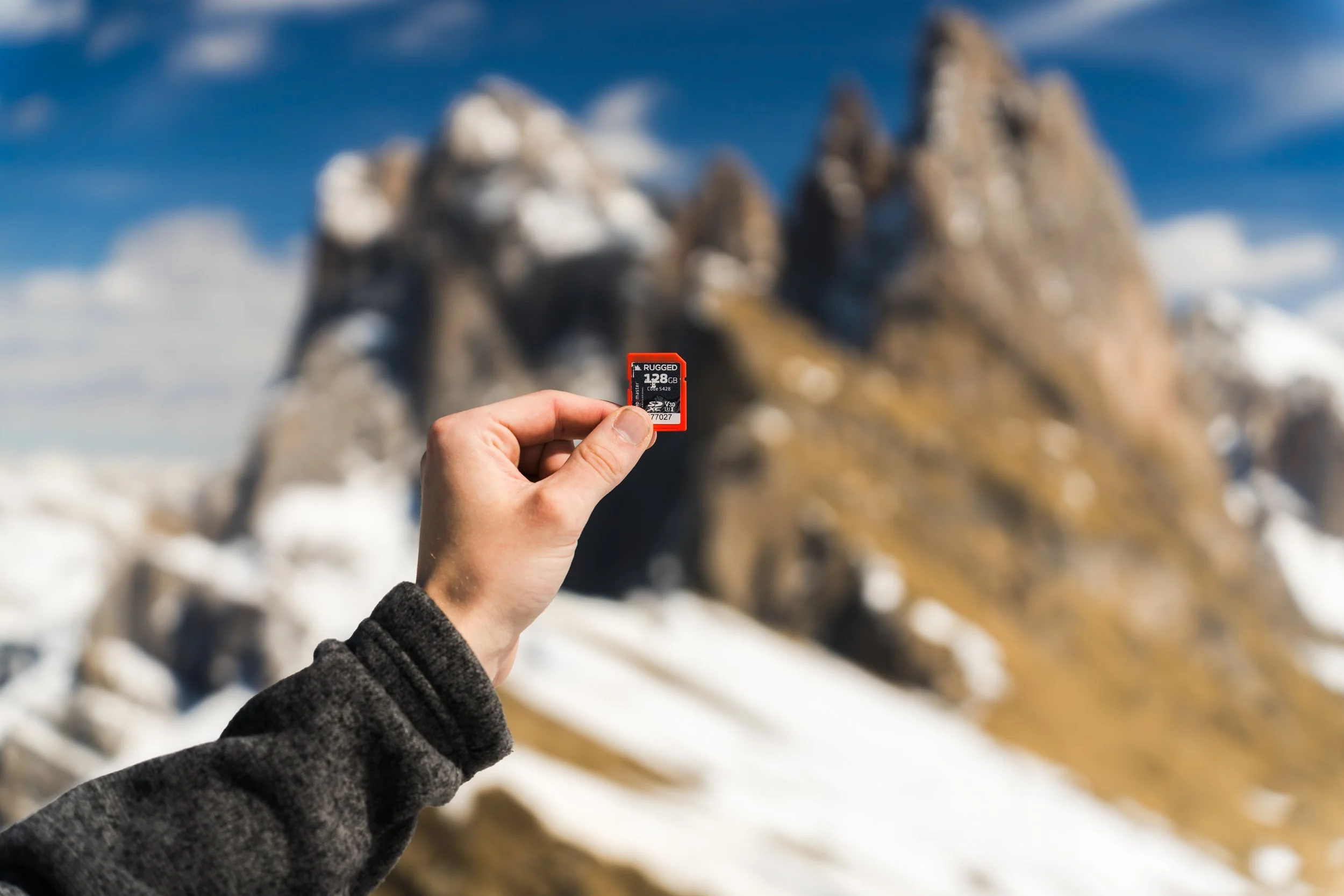
Memory cards are often treated as an afterthought, but they’re responsible for storing every image and video we create. Before every trip, I make a point to check my cards. Are they formatted? Do they have enough available space? Are they actually in my camera bag and in my card case? As someone who spends a lot of time traveling and working in remote locations, reliability matters. I want memory cards that can handle being packed, unpacked, tossed into bags, and taken across the country without me having to worry about them.
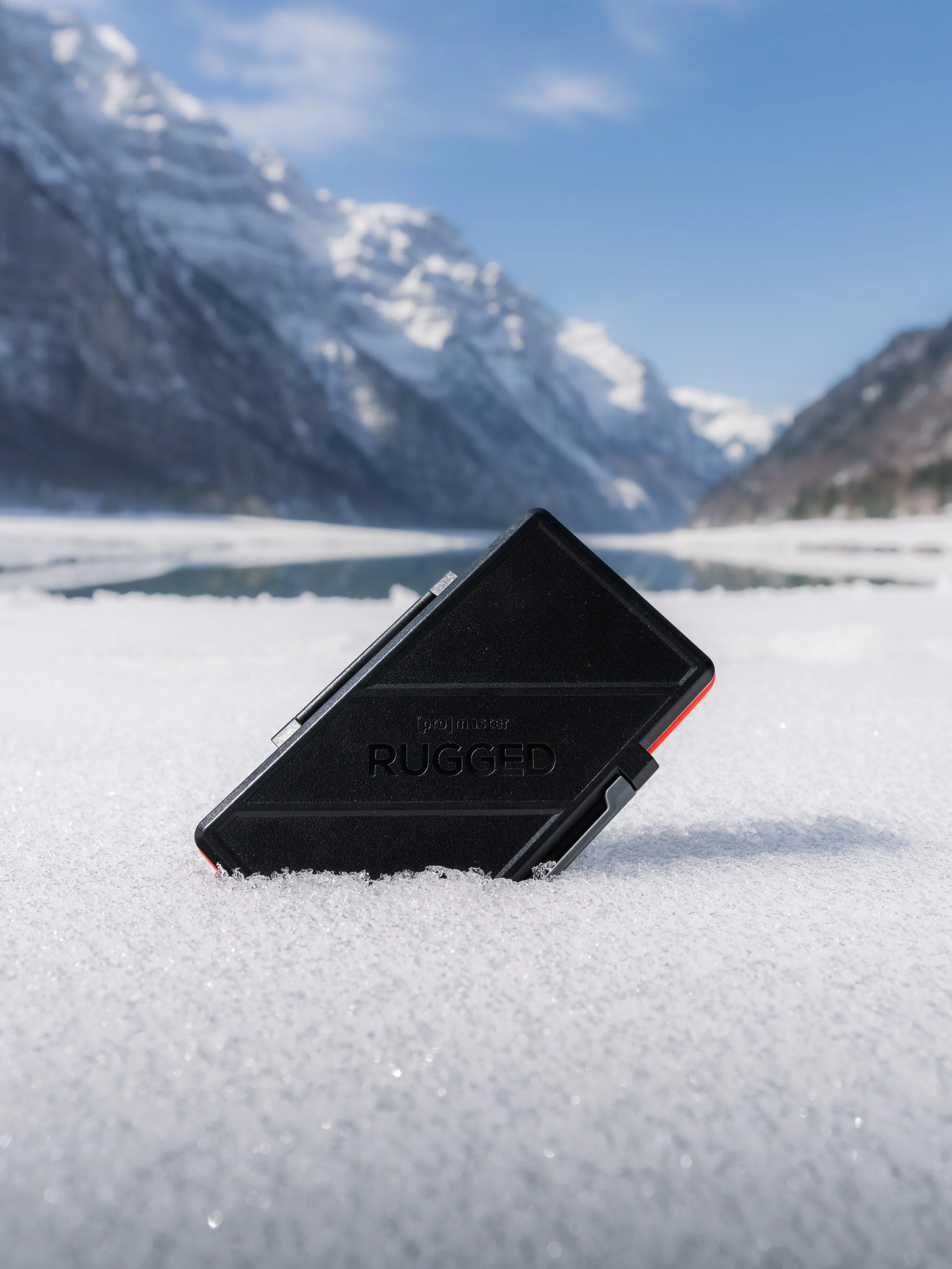
That’s why Rugged memory cards have become a proven tool that has not failed me once. I’m fearless with switching them out in harsh conditions, using them for paid gigs, and I live with peace knowing that if in the rarest scenario, one of these cards has a hiccup, they’re covered with a lifetime warranty. Taking a few moments to verify your cards are ready before leaving home can prevent a lot of disappointment later. Notice I said cards - plural. Having spares? Best decision you can make.
3. Know Your Lens Filters
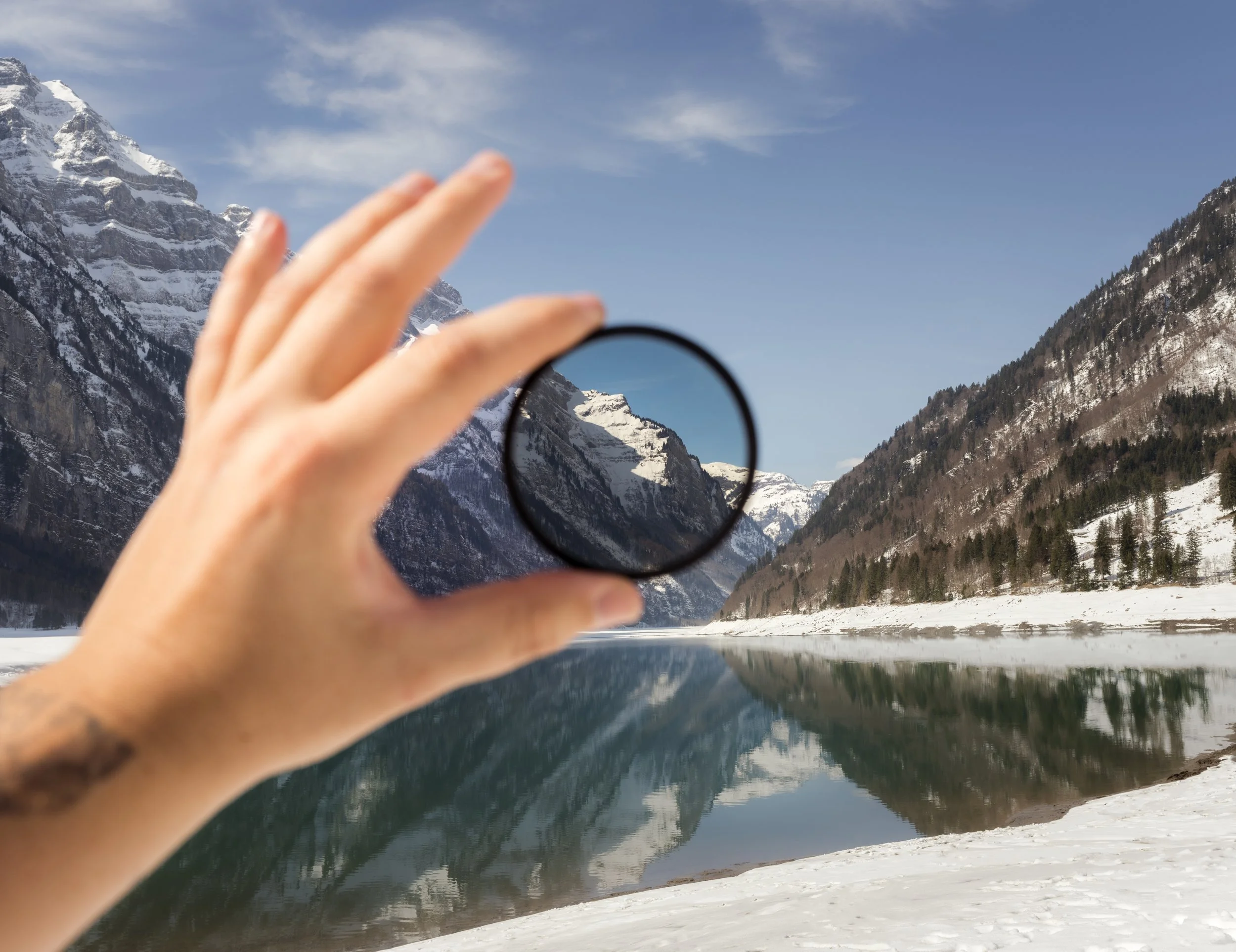
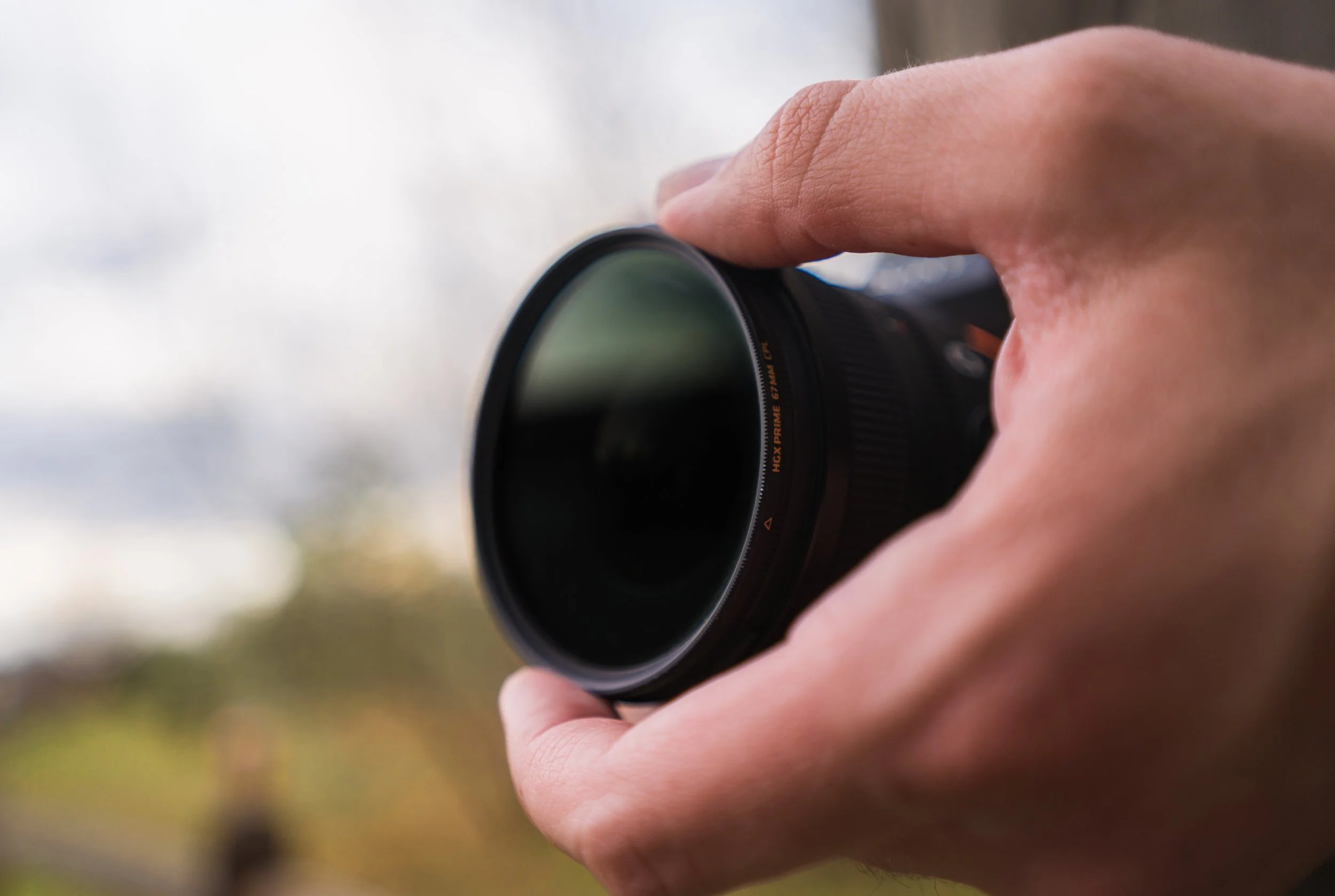
Filters are one of those accessories that photographers don’t think about until they need them. For me, a circular polarizer is one of the most frequently used tools in my kit. Whether I’m photographing forests, waterfalls, mountains, or scenes with reflective surfaces, a polarizer can make a dramatic difference in the final image. It has helped me reduce glare, deepen colors, and reveal details that might otherwise have been hidden by reflections.
The problem is that filters can be easy to overlook. I’ve arrived at locations more than once wishing I had remembered to bring a polarizer, usually at the exact moment when the conditions would benefit most from having one.
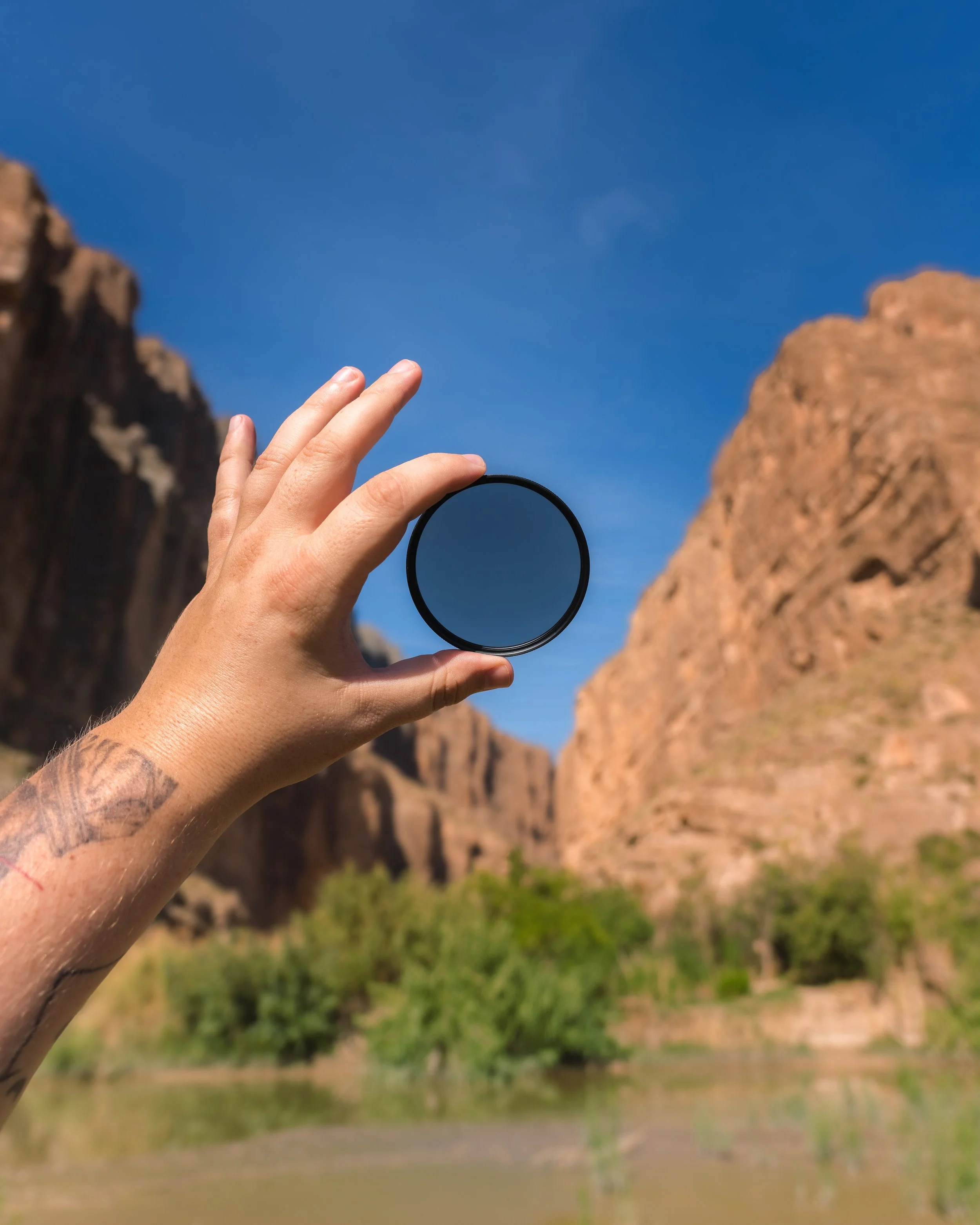
Now, I consider filters to be non-negotiable. I bring all of them. I bring my HGX Prime CPL, my HGX Prime VNDs, and all of my protection filters. In fact, the protection filters remain on my lenses at all times unless I’m swapping to another type. The assurance that these protection filters cause no color cast or loss of light means I can shoot with confidence from start to finish, knowing my lenses are protected from the harshest elements.
4. Pick the Right Pack
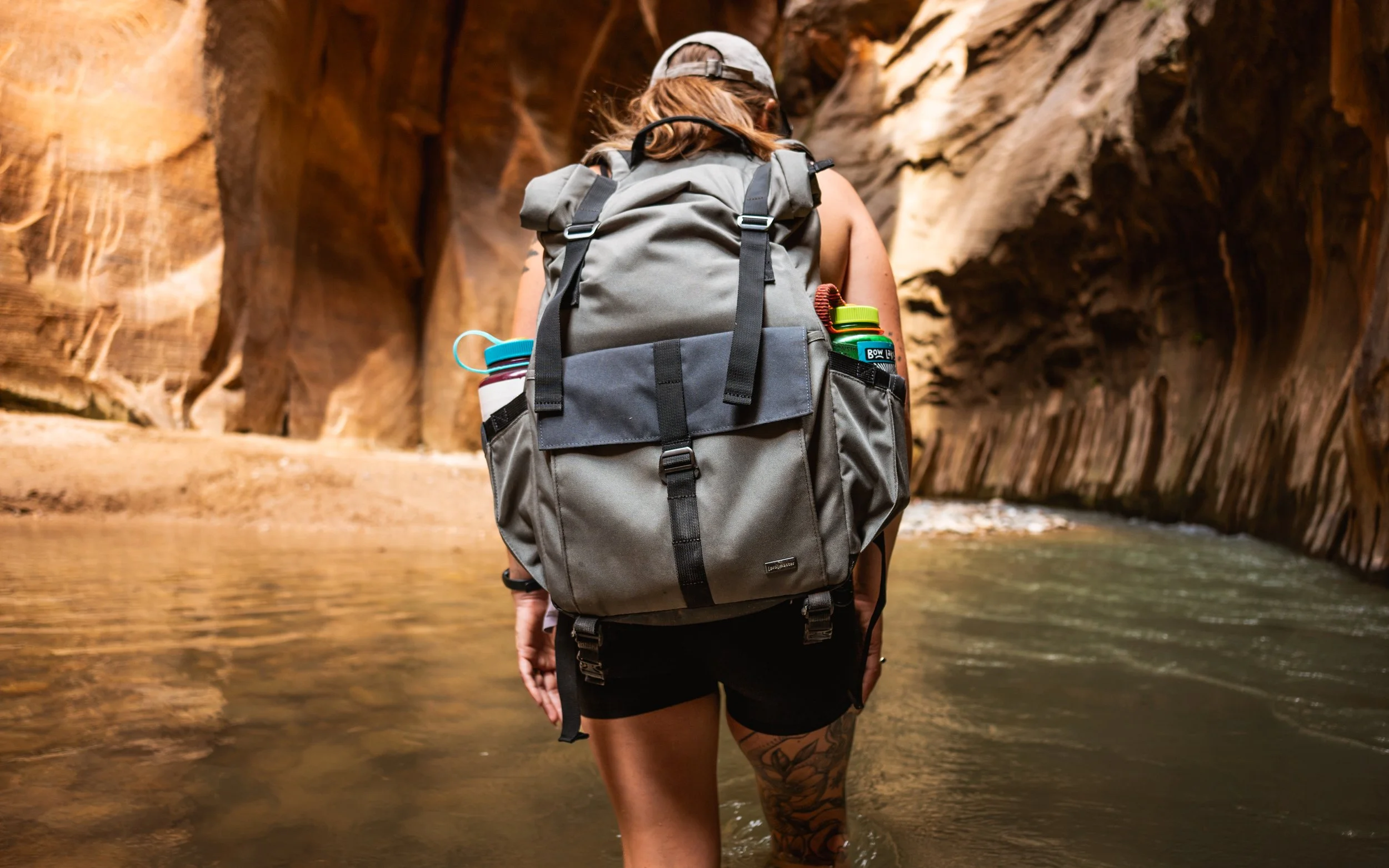
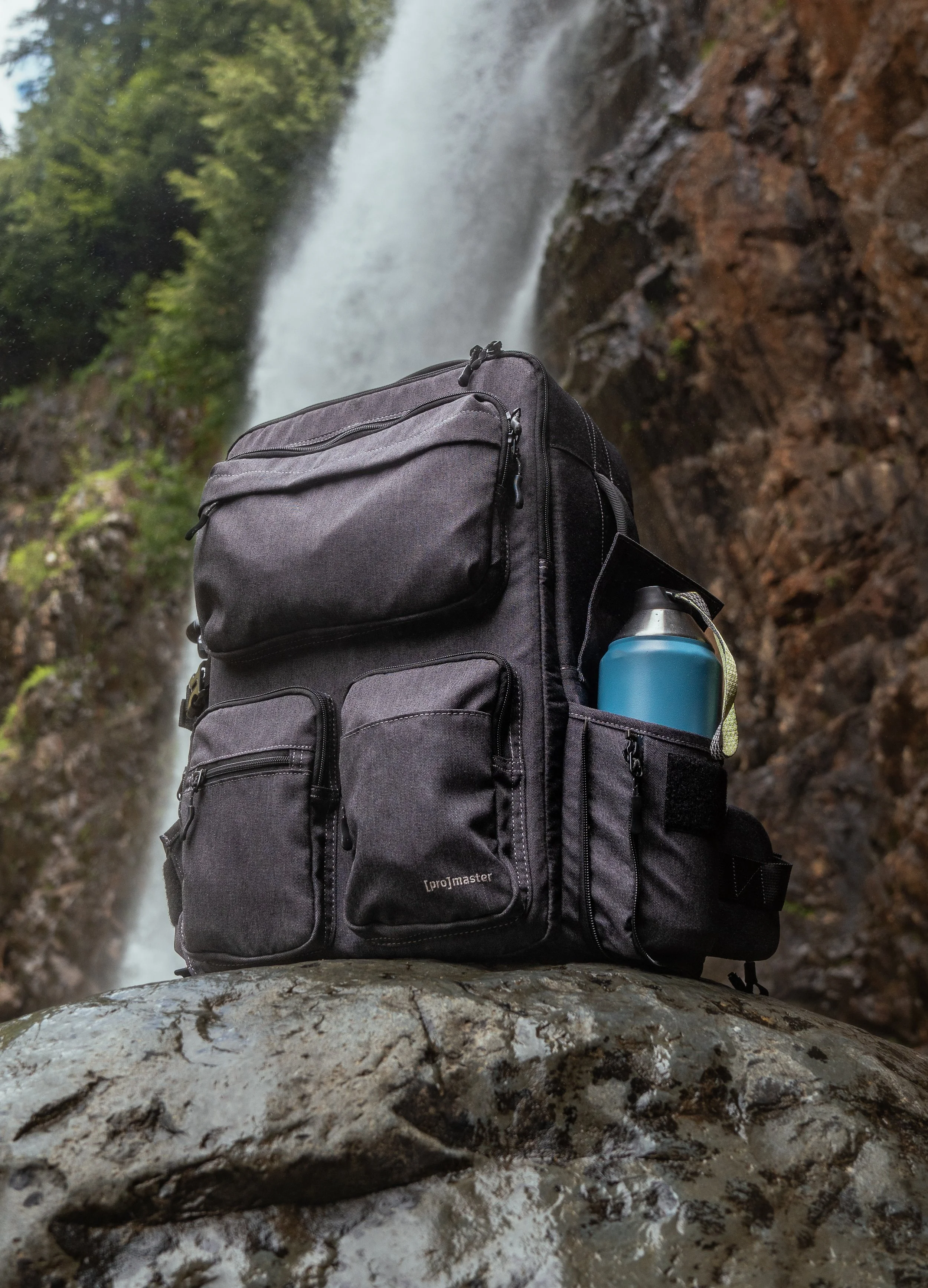
This last tip might be the easiest one to overlook because it doesn’t feel like a piece of gear at all. When you’re excited about getting out to shoot, it’s tempting to throw everything into your backpack and deal with it later. The problem is that “later” often arrives when you’re standing on a trail, hiking to a viewpoint, or watching great light develop in front of you. I’ve learned that a well-organized camera bag saves more time than almost any piece of equipment I own. Knowing exactly where my memory cards, filters, batteries, lens cloths, and accessories are located means I spend less time digging through compartments and more time focused on creating.
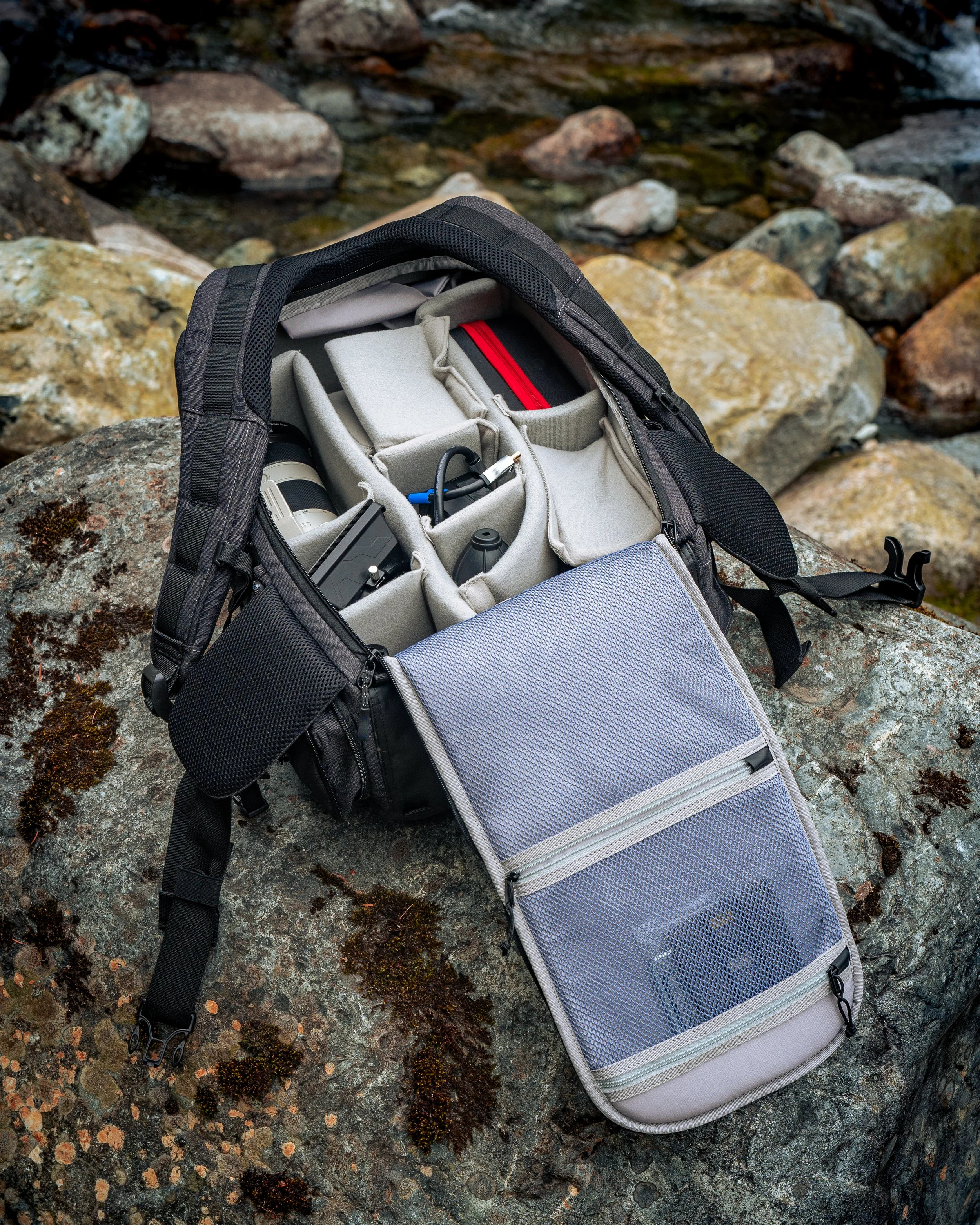
That’s why my Cityscape 2.0 Backpack has been my saving grace. The interior organization with customizable velcro padding helps prevent things feeling loose or too snug. When every item has a designated location, it’s immediately obvious when something is missing. My standard pack now has a home for my assorted lenses, both cameras, my Rugged Card Case, my Filter Wallet, cleaning supplies, and I even had extra velcro to make a spot for my microphone kit. When conditions change quickly and every second counts, having your gear exactly where you expect it to be can make all the difference.
Always Be Prepared
Photography has taught me that success comes from paying attention to details that the audience doesn’t see. The same is true when it comes to our gear. While it’s fun to think about cameras, lenses, and the latest technology, the smallest accessories are often the mightiest. A clean lens, a fresh memory card, the right filter, and an organized backpack can make the difference between coming home with the image you envisioned or coming home wishing you had done something different.
Before your next shoot, take a few extra minutes to check the small things. When you forget the smallest pieces of gear, that can cause the biggest problems. Fortunately, they’re also the easiest problems to prevent.

Charlie Kruschek
Landscape photography is Charlie's true passion, chasing everything from storms to sunrises. Standing humbled before nature's raw power and in awe of the world's subtleties, Charlie's goal is to preserve heart-skipping moments of natural light, focusing on an emphasis of time. Charlie attempts to share his imagery as a method of inspiring others to appreciate life's beauty through a different optic and the fragility of each second.