The Astrophotographer's 2026 Bucket List
If you’ve been looking for an excuse to stay out late with your camera and hone in your astrophotography skills, Summer 2026 offers several fantastic opportunities.
Between bright planetary pairings, meteor showers, Milky Way season, and two eclipses, the next few months offer no shortage of reasons to get outside after dark. Before we get into the camera settings and gear to use for astrophotography, we’ll cover the celestial events you can’t miss. Whether you’re planning a dedicated dark-sky trip or just trying to catch a few standout nights close to home, these are the events most worth watching.
July: Peak Milky Way Season
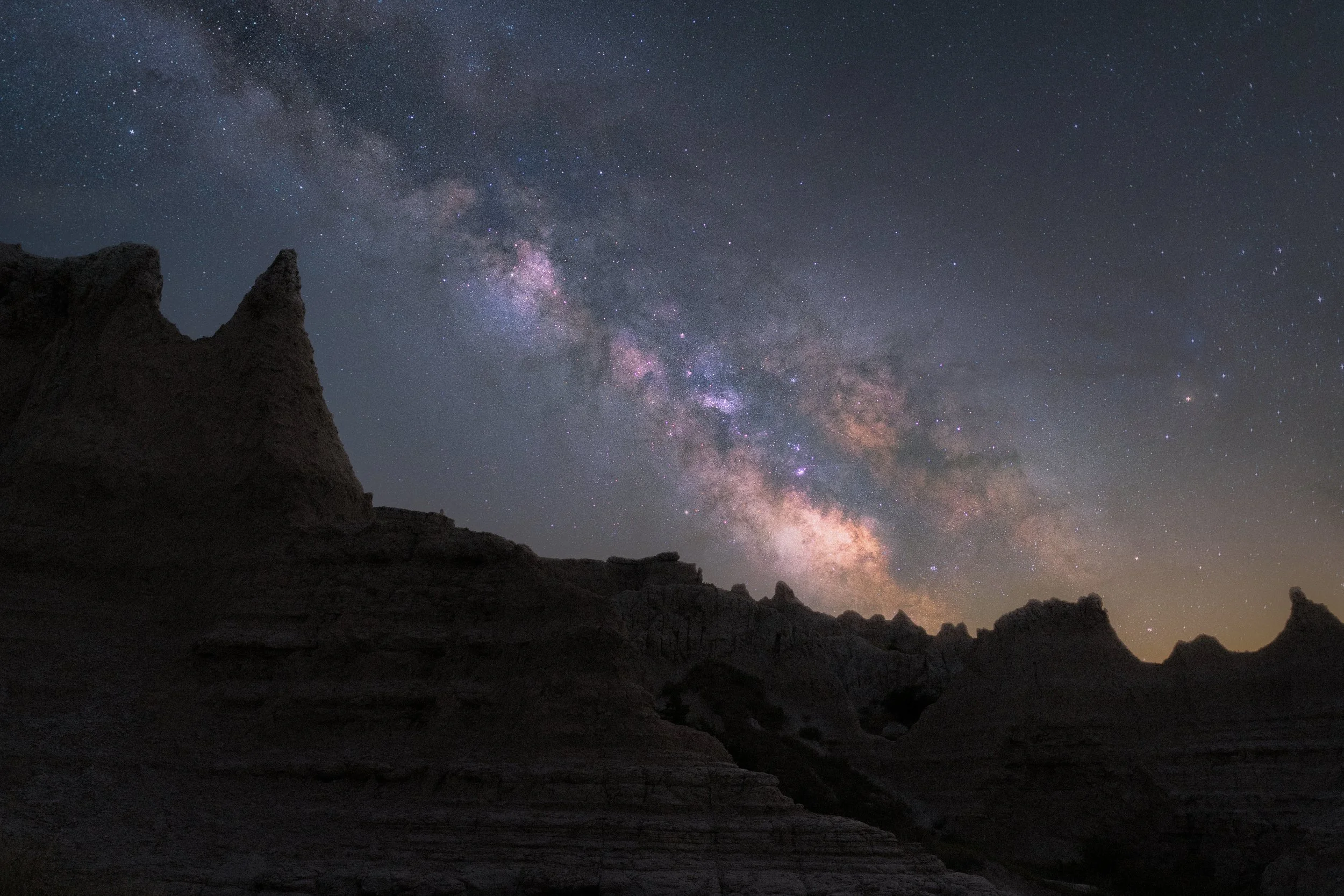
For many photographers, July is the sweet spot of summer astrophotography.
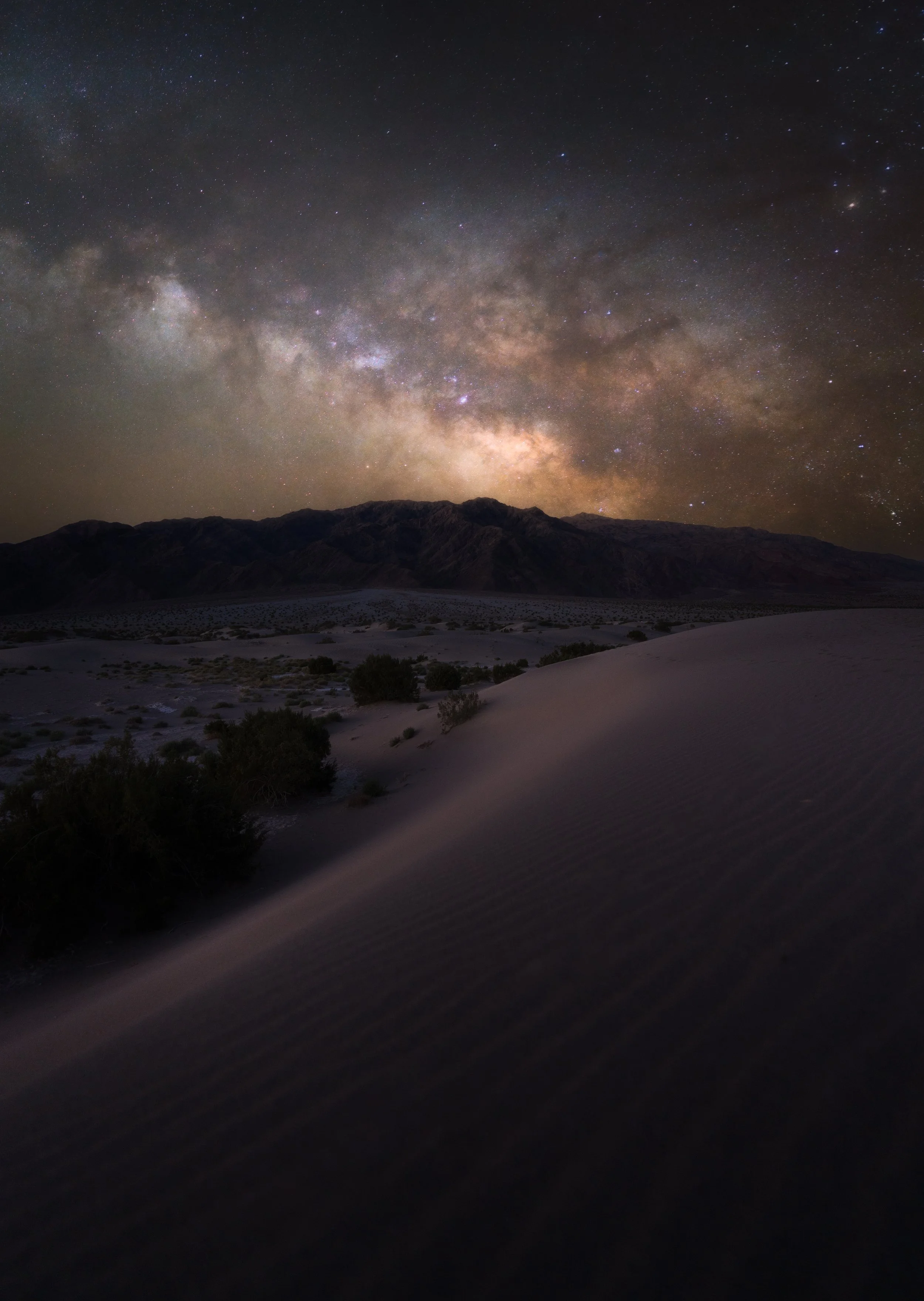
The new moon on July 14 sets up some of the best Milky Way conditions of the year. The galactic core rides high, nighttime temperatures are usually manageable, and moonlight stays out of the way. If you’re planning one dedicated astrophotography trip this summer, this date makes a strong case for it.
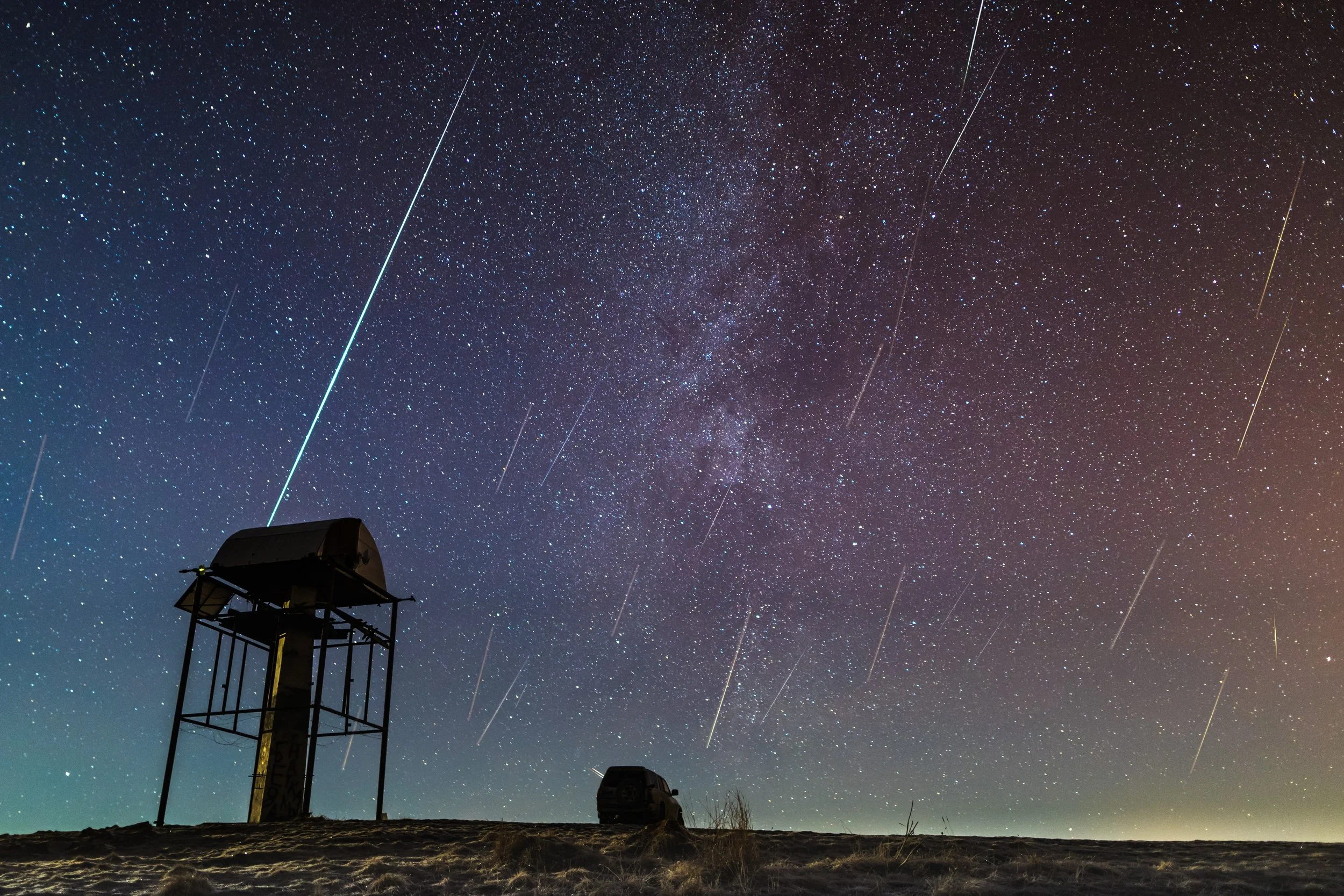
July also delivers a pair of meteor showers. The Southern Delta Aquariids and Alpha Capricornids both peak on July 30 and 31. While moonlight may wash out some of the fainter meteors, the Alpha Capricornids are known for producing bright fireballs that can make for spectacular images.
August: Meteor Showers
If there's one date to circle on your calendar, it's August 12.
The Perseid meteor shower reaches its peak under a new moon, creating nearly perfect viewing conditions. Under dark skies, photographers can expect dozens of meteors per hour, including bright fireballs that streak across the frame.
The same day also features a solar eclipse. While totality will be visible across parts of Iceland, Greenland, Portugal, and Spain, observers across portions of North America will only see a partial eclipse.
With a new moon falling at the same time, August 12 also opens another excellent window for Milky Way photography. It’s unusual to have a meteor shower peak, an eclipse, and dark skies converge on the same date, which makes this a standout night to plan around, and maybe to think about bringing more than one camera for.
One More Eclipse Before Summer Ends
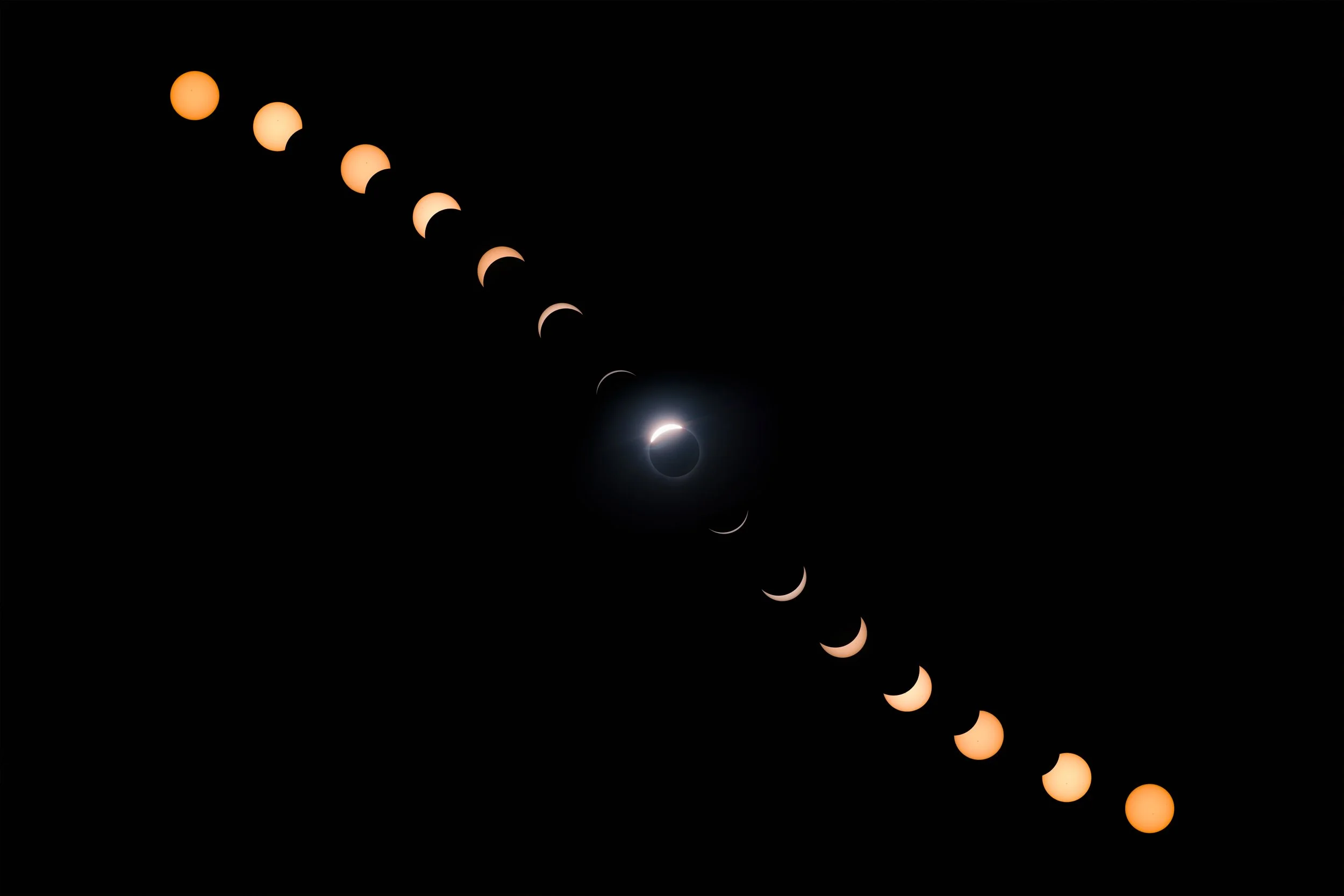
Summer wraps up with a deep partial lunar eclipse on August 27-28.
At maximum eclipse, Earth's shadow will cover up to 96% of the Moon's surface, giving it a dramatic copper-red appearance. The eclipse will be visible throughout the United States and Canada, making it one of the easiest, major astronomy events of the season to photograph.
Get the Most Out of Every Clear Night
To make the most of this summer’s celestial events, a little preparation can go a long way. Scout your location before dark, check moon phases and weather forecasts ahead of time, and give yourself plenty of time to set up before the action begins.
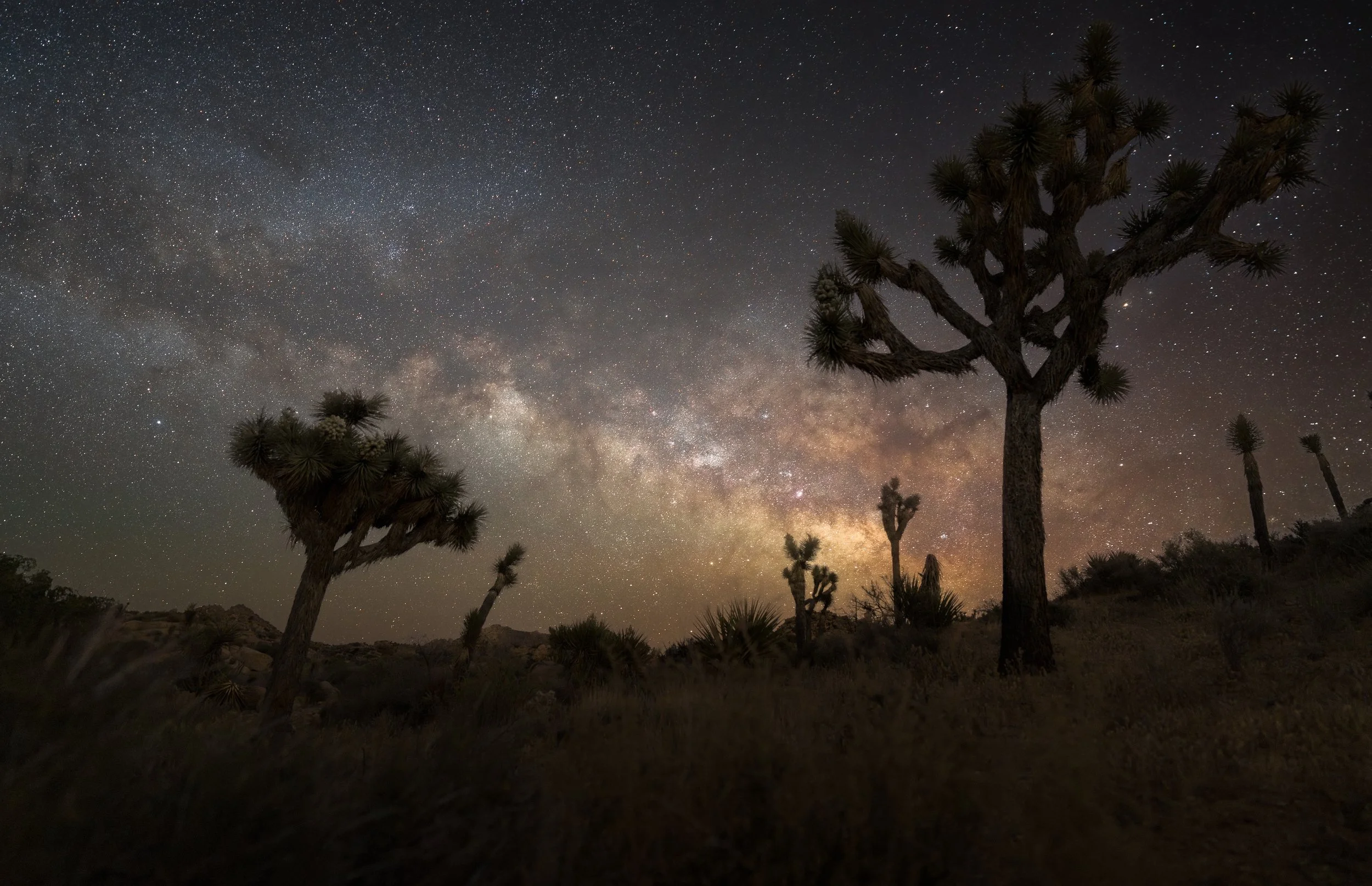
For Milky Way photography, use the widest aperture available on your lens and experiment with ISO and shutter speed settings to balance brightness and detail. During meteor showers, shoot continuously with an intervalometer and use a wide-angle composition to maximize your chances of capturing a bright streak. For eclipses and lunar events, longer focal lengths can reveal incredible detail, but stability becomes crucial as magnification increases.
A sturdy tripod is the MVP of astrophotography gear, because it keeps stars crisp during long exposures and helps cut vibration when you’re working at slower shutter speeds. The Epoch tripod fits that role well, with a lightweight build, dependable locking controls, and flexible low-angle options when you want to include more of the sky in the frame.
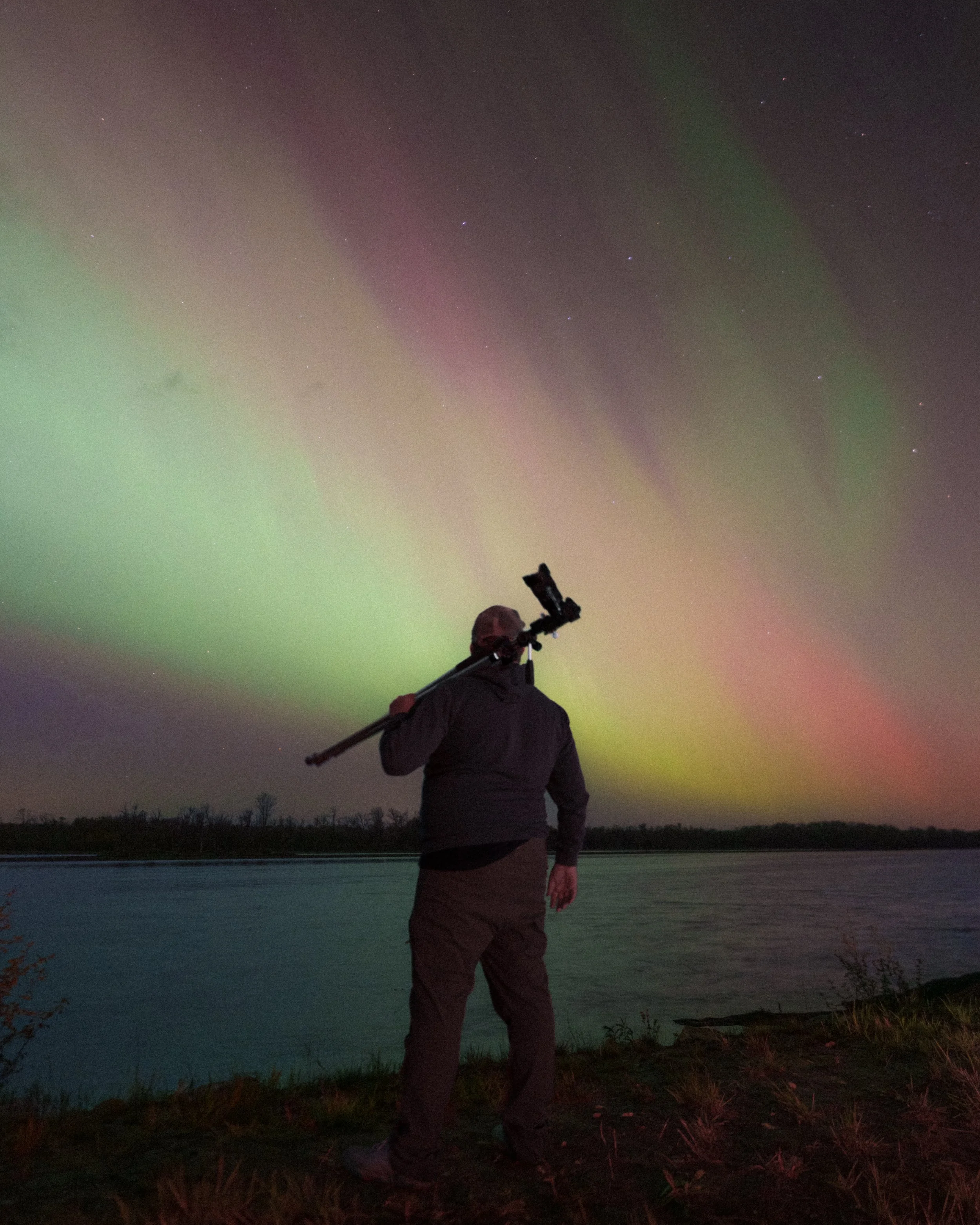
Another piece of gear worth using for astrophotography is a remote shutter. Once your tripod and camera settings are ready to go, you don’t want to destabilize the image by pressing the shutter button with your hand! A remote shutter is a great solution for capturing the magic of the night sky without compromising the quality of your image capture.
Most importantly, get outside and enjoy it! We can’t wait to see what astonishing, astronomical images you create! Share your images with us using #promasterphoto.