How I Maximized My Fall Photography Season
Fall in Colorado gives you a few weeks, not a few months. Lose one good weekend to weather or work, and the foliage you planned around is already bare. It's easy to treat the season as a couple of big outings where you come home with a series of similar frames. This year, however, I made one big outing and I accomplished it in one weekend. Here is what made the weekend so successful, from composition and gear, to forecasting and route planning.
I Followed the Color, Not the Calendar
The biggest shift is treating fall as something that moves. Color starts high and works its way down. For instance, a grove that's still green at 8,000 feet will become the best color around ten days later, while the higher elevations are already done. This year, instead of locking in dates months out, I kept a short list of locations at different elevations and checked them against recent reports and adjusted my dates accordingly. My go-to resource continued to be ExploreFall: a free online tool that projects peak timing across the entire CONUS. This year, once again, it nailed it.
I Embraced the Weather
Blue sky days are some of the toughest conditions for fall color. Contrast gets harsh, the leaves go flat, and every yellow aspen reflects a little blue sky. Overcast and rain are where the color holds together. Saturation goes up, the shadows open, and wet bark goes dark enough to frame the leaves.
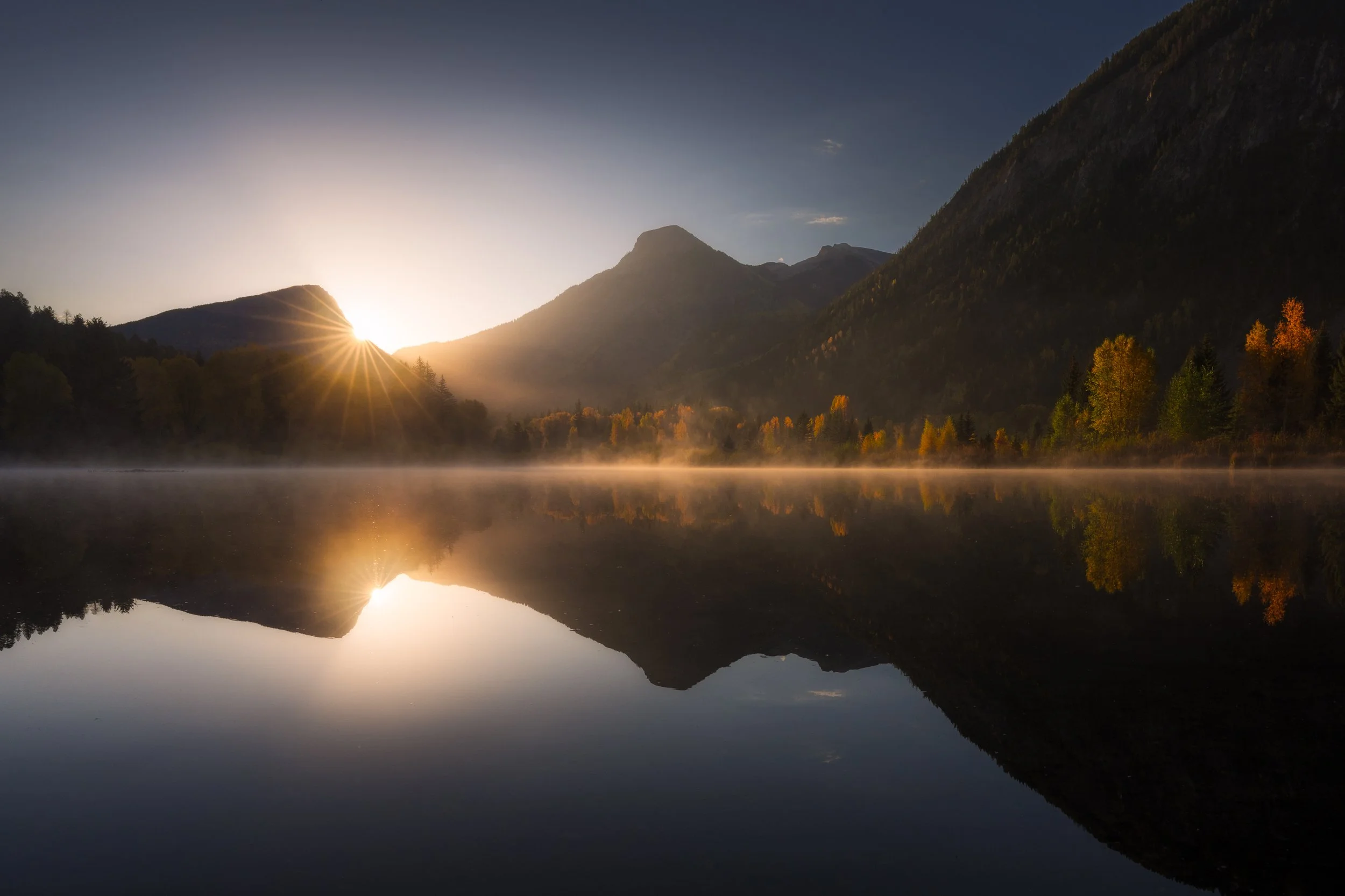
Unfortunately, my weekend getaway lacked rain and overcast skies. That’s when my HGX Prime CPL filter earned its place, however. Morning harsh light at sunrise tossed glare across the lake I had scouted, so to help enrich the colors and deepen the water, rotating the polarizer cut that reflection and brought the saturation back in camera instead of in the edit.
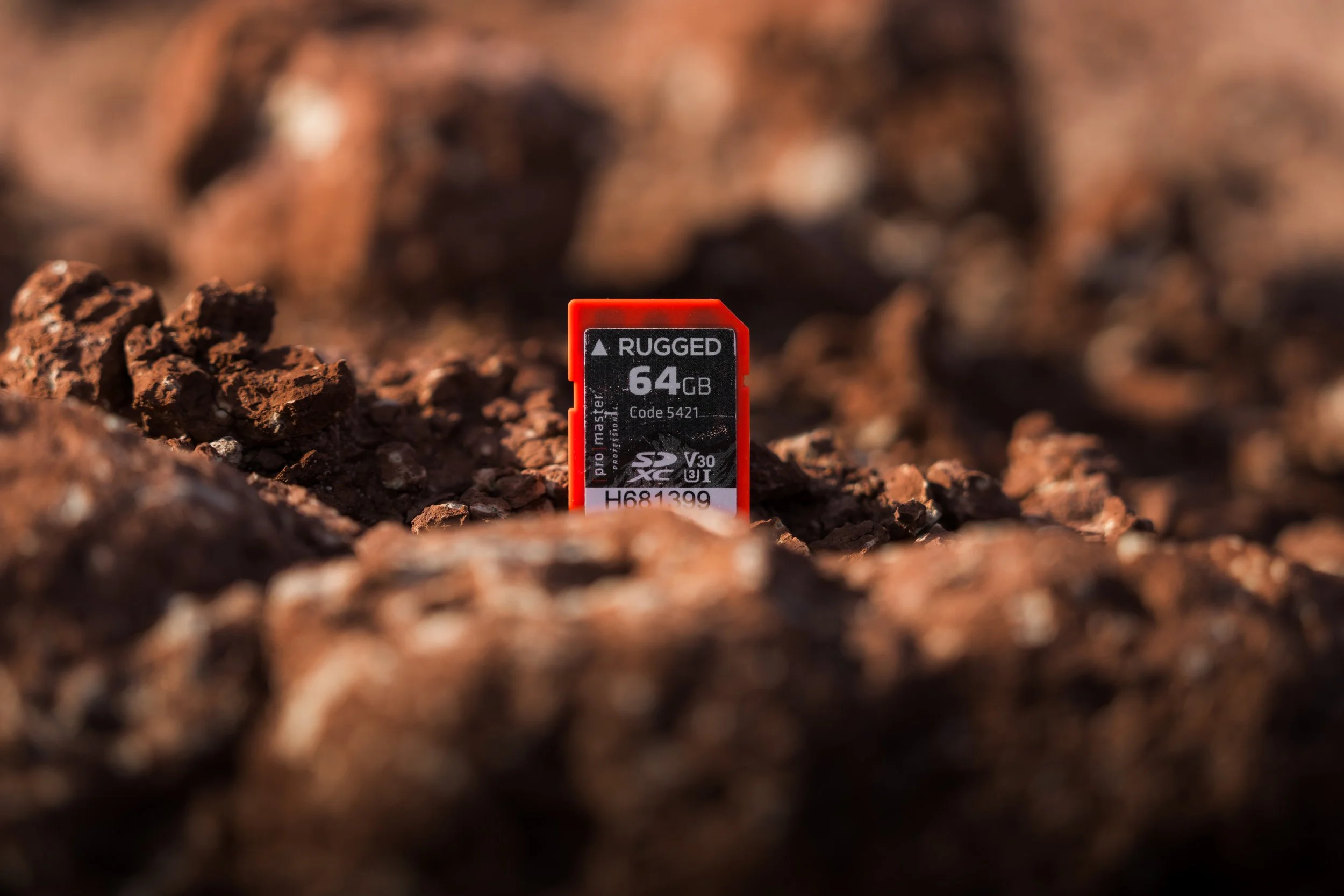
Even in sunlight, fall brings mist, dew, and excess moisture which means wet gear and cold hands. Under these conditions, I feel assured knowing my Rugged SD cards are going to hold up no matter what condition I’m shooting in. Better yet, swapping cards on a damp tailgate is exactly when you don't want to be wondering about the card. I never did with Rugged.
I Was Selfish With My Time
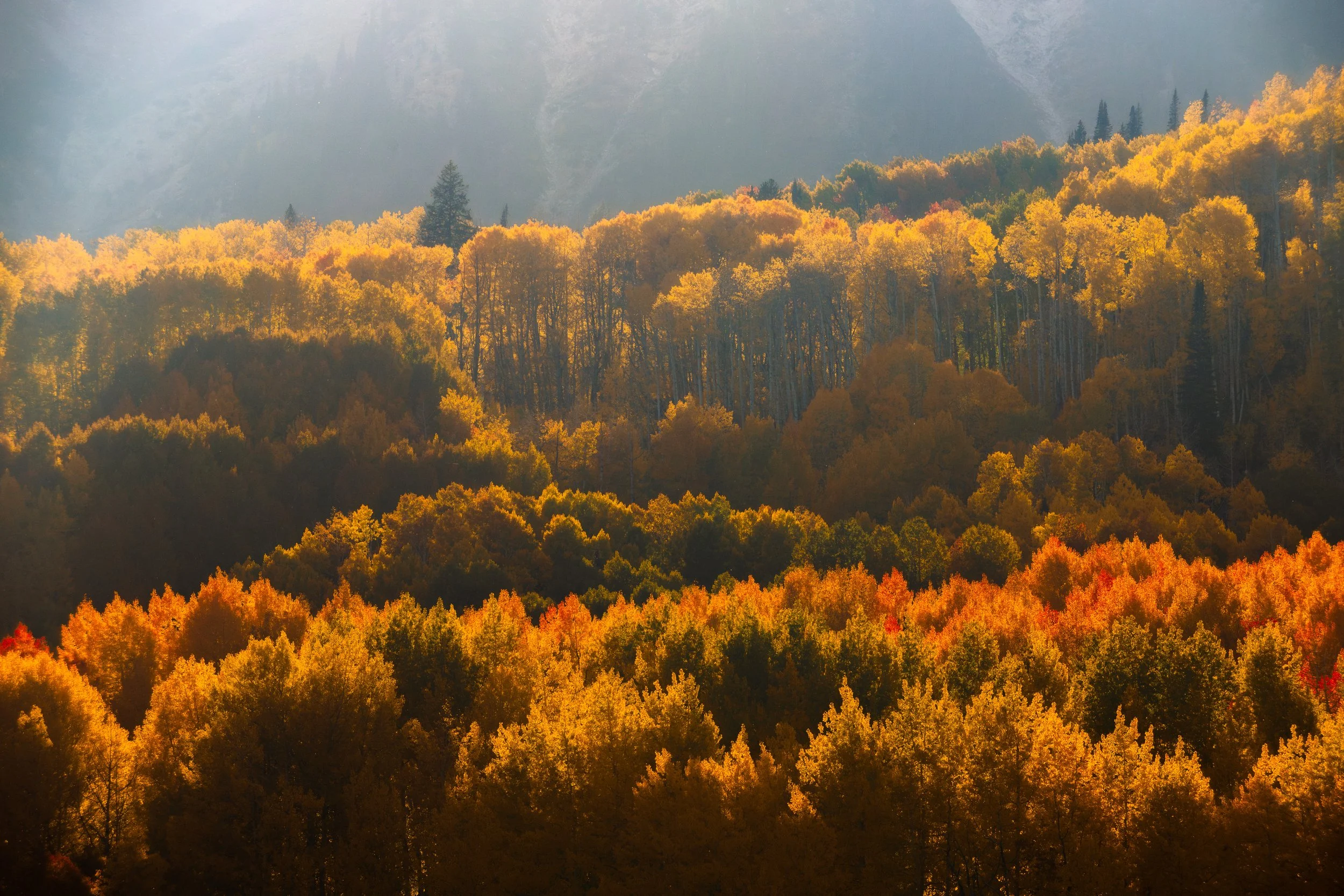
With how short the fall season is, I believe one composition per location is a waste of the drive. Once I had the main frame I came for, I worked the same spot in other ways: tighter on a single row of branches, a long lens isolating a band of color on a ridge, or low to the ground looking up through the canopy. This proved true during my afternoon at Kebler Pass.
What helped me slow down and explore new compositions most was the Epoch tripod. With the 4-way head, moving one axis at a time helped me slow down and be more precise and dialed when I was lining up trunks and fine-tuning the edges of a frame. It was like an extra set of eyes checking my shots. Did I spend nearly three hours at Kebler? Yes. Was it worth it? Absolutely.
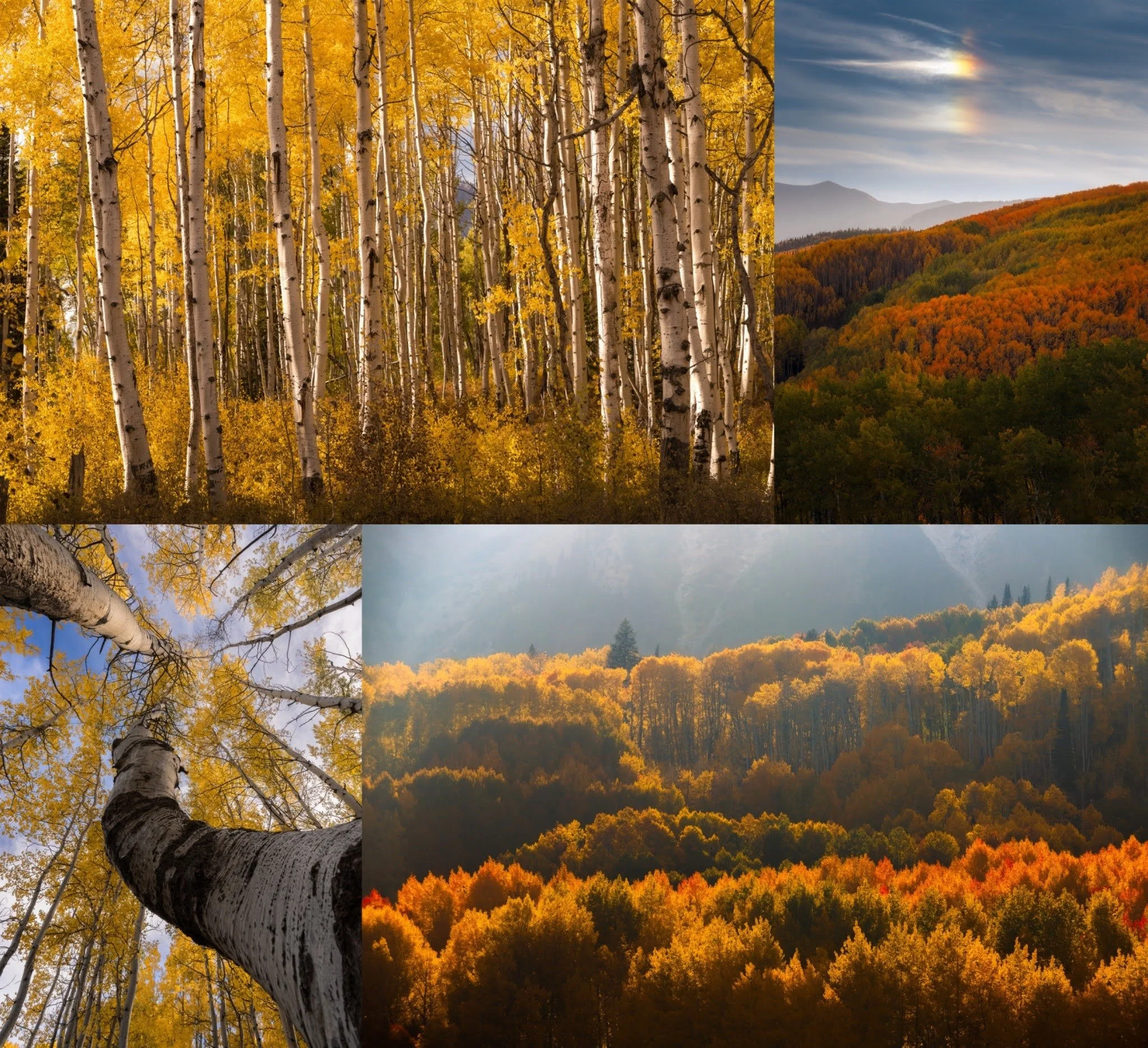
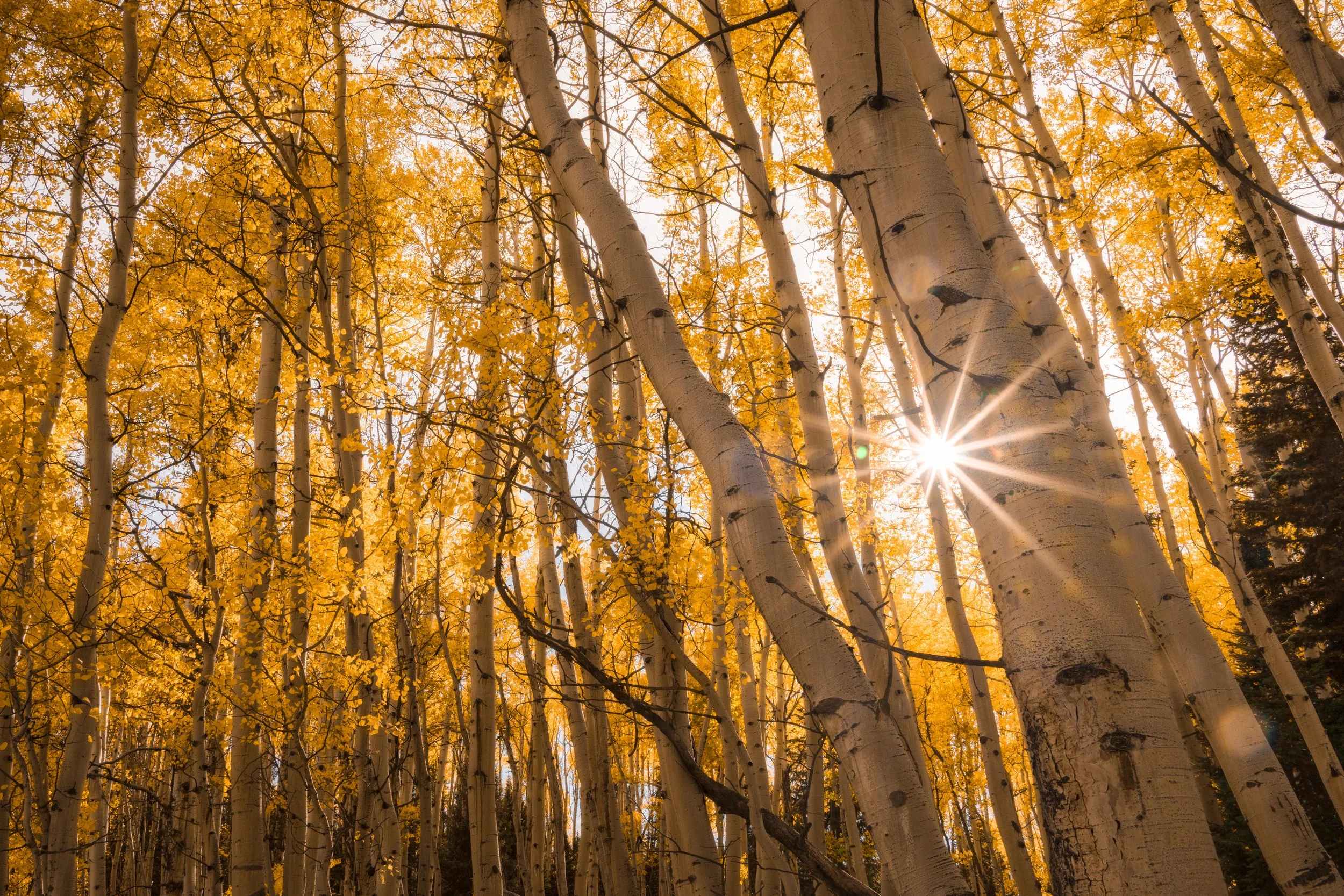
I also shot a vertical of almost everything. Aspen trunks especially look especially good shooting vertically from ground up, and with an L-Bracket on the camera, switching orientation takes seconds. The camera stays centered over the tripod instead of hanging off the side of a flopped head, so the composition barely shifts and the setup stays balanced. Because it's that easy, I rarely leave a scene without getting both a vertical and horizontal copy.
I Didn’t Ignore the Classics
Just because a location has been photographed by dozens of other photographers doesn’t mean it’s not worth the trek for you. I’ve been photographing the fall season in Colorado for nearly four years now, and I still find myself returning to the classic spots near Aspen, Carbondale, and this year especially, Marble.
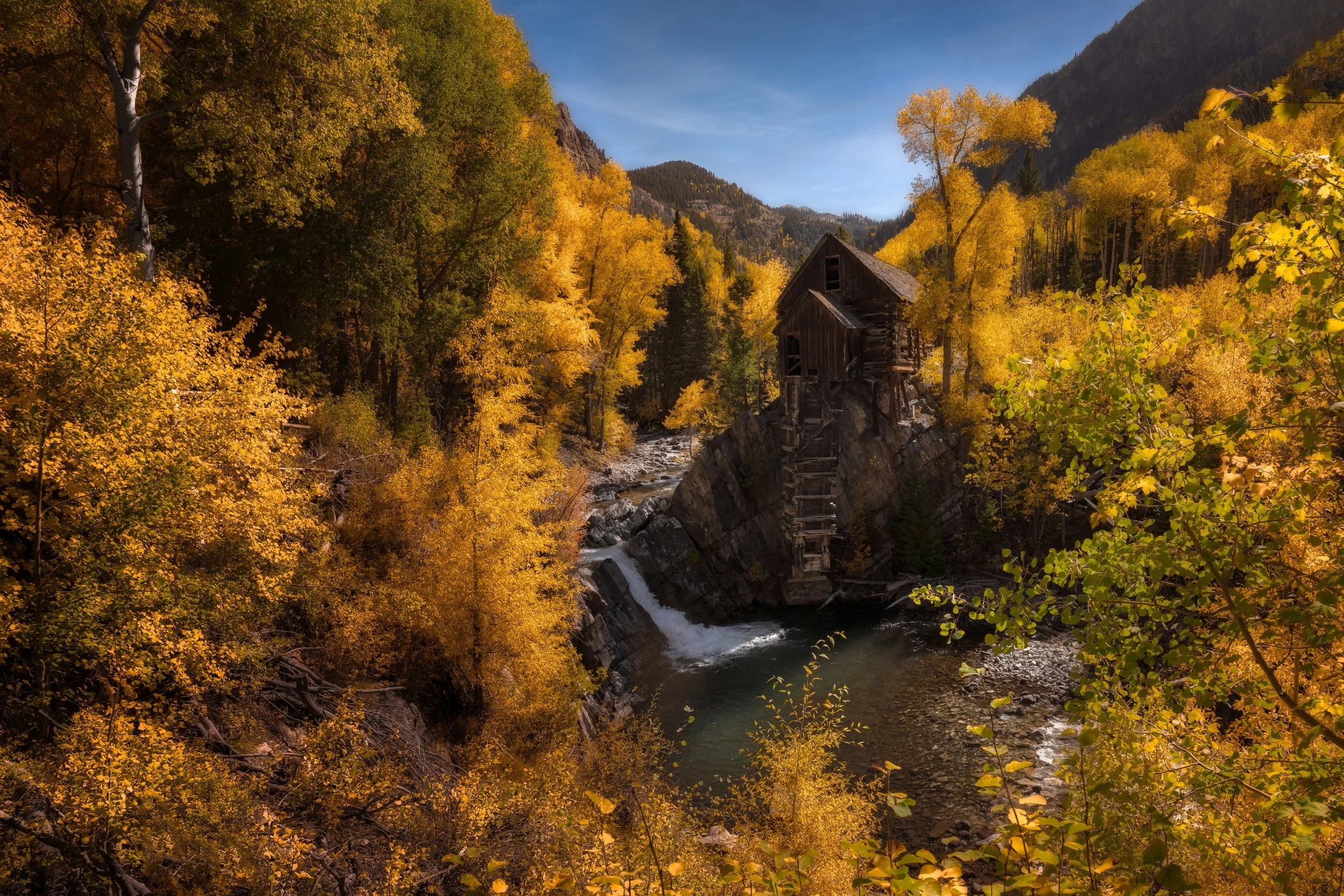
What made Marble so intriguing this year was the journey to Crystal Mill. This location is a beast to get to. You either hike 10 miles round trip, risk your vehicle’s suspension, or you can rent a Jeep tour and have a guide take you in. To ease my anxiety, I opted for the Jeep tour route. This saved me time, and assured me that I made it there and back safely, even if I knew I was not the first, second, or third person photographing the mill. It was still worth it for my portfolio.
I Was Fearless with the Shutter
None of this fall photography trip needed new skills. It came down to planning around how the color moved, going out in conditions most people skip, and getting more out of every stop. Most importantly, I shot as much as I could. With the right storage, I believe there is no reason to be shy with taking images. Capture everything and study later. There are still catalogs from years ago that I return to and find images that I had forgotten about, and it makes it all the sweeter to process them and reminisce.
When it’s time for your next journey, embrace the weather, cherish your time, and shoot fearlessly. Your images will reflect your efforts every single time.

Charlie Kruschek
Landscape photography is Charlie's true passion, chasing everything from storms to sunrises. Standing humbled before nature's raw power and in awe of the world's subtleties, Charlie's goal is to preserve heart-skipping moments of natural light, focusing on an emphasis of time. Charlie attempts to share his imagery as a method of inspiring others to appreciate life's beauty through a different optic and the fragility of each second.